0
0
0
Tribal Labor Sovereignty Act of 2023
12/15/2023, 4:07 PM
Summary of Bill S 1328
Bill 118 s 1328, also known as the Tribal Labor Sovereignty Act of 2023, is a piece of legislation currently being considered by the US Congress. The bill aims to clarify the relationship between tribal governments and their employees by affirming the sovereignty of tribal nations in regulating labor relations within their own territories.
The bill specifically addresses the issue of whether tribal governments should be subject to the same labor laws as state and local governments. Proponents of the bill argue that tribal governments should be allowed to set their own labor policies without interference from the federal government, just as state and local governments are able to do.
If passed, the Tribal Labor Sovereignty Act of 2023 would give tribal governments the authority to determine their own labor laws and regulations, including the ability to establish their own minimum wage standards, overtime rules, and workplace safety requirements. This would provide tribal nations with greater autonomy and control over their own affairs, while also ensuring that tribal employees are protected by fair and just labor practices. Opponents of the bill, however, argue that it could potentially weaken labor protections for tribal employees and create inconsistencies in labor laws across different jurisdictions. They also raise concerns about the potential for exploitation of tribal workers if tribal governments are given too much leeway in setting their own labor standards. Overall, the Tribal Labor Sovereignty Act of 2023 is a complex and contentious piece of legislation that raises important questions about the balance between tribal sovereignty and labor rights. As Congress continues to debate the bill, it will be crucial for lawmakers to carefully consider the potential implications for tribal nations and their employees before making a final decision on its passage.
The bill specifically addresses the issue of whether tribal governments should be subject to the same labor laws as state and local governments. Proponents of the bill argue that tribal governments should be allowed to set their own labor policies without interference from the federal government, just as state and local governments are able to do.
If passed, the Tribal Labor Sovereignty Act of 2023 would give tribal governments the authority to determine their own labor laws and regulations, including the ability to establish their own minimum wage standards, overtime rules, and workplace safety requirements. This would provide tribal nations with greater autonomy and control over their own affairs, while also ensuring that tribal employees are protected by fair and just labor practices. Opponents of the bill, however, argue that it could potentially weaken labor protections for tribal employees and create inconsistencies in labor laws across different jurisdictions. They also raise concerns about the potential for exploitation of tribal workers if tribal governments are given too much leeway in setting their own labor standards. Overall, the Tribal Labor Sovereignty Act of 2023 is a complex and contentious piece of legislation that raises important questions about the balance between tribal sovereignty and labor rights. As Congress continues to debate the bill, it will be crucial for lawmakers to carefully consider the potential implications for tribal nations and their employees before making a final decision on its passage.
Congressional Summary of S 1328
Tribal Labor Sovereignty Act of 2023
This bill excludes Indian tribes and tribal enterprises and institutions on tribal land from requirements for employers under the National Labor Relations Act (NLRA). (Currently under the NLRA, employers may not engage in unfair labor practices and must allow employees to form unions, engage in collective bargaining, and take collective action.)
Current Status of Bill S 1328
Bill S 1328 is currently in the status of Bill Introduced since April 27, 2023. Bill S 1328 was introduced during Congress 118 and was introduced to the Senate on April 27, 2023. Bill S 1328's most recent activity was Read twice and referred to the Committee on Indian Affairs. as of April 27, 2023
Bipartisan Support of Bill S 1328
Total Number of Sponsors
1Democrat Sponsors
0Republican Sponsors
1Unaffiliated Sponsors
0Total Number of Cosponsors
18Democrat Cosponsors
0Republican Cosponsors
18Unaffiliated Cosponsors
0Policy Area and Potential Impact of Bill S 1328
Primary Policy Focus
Native AmericansPotential Impact Areas
- Federal-Indian relations
- Indian lands and resources rights
- Labor-management relations
- Minority employment
Comments
Sponsors and Cosponsors of S 1328
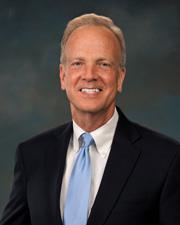
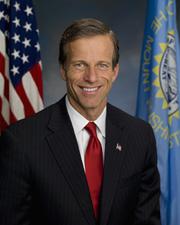


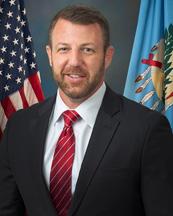

Latest Bills
TRAPS Act
Bill HR 4936September 18, 2026
Apples to Apples Comparison Act of 2025
Bill HR 4093September 18, 2026
American Lending Fairness Act of 2026
Bill HR 7866September 18, 2026
Civil Investigative Demand Reform Act of 2025
Bill HR 1653September 18, 2026
American Reserve Modernization Act of 2026
Bill HR 8957September 18, 2026
Preventive Health Savings Act
Bill HR 4464September 18, 2026
PEARL Act
Bill HR 9327September 18, 2026
Medically Tailored Home-Delivered Meals Program Pilot Act
Bill HR 5439September 18, 2026
To designate the facility of the United States Postal Service located at 117 West Lovett Street in Charlotte, Michigan, as the "Francis C. Flaherty Post Office Building".
Bill HR 9570September 18, 2026
To designate the facility of the United States Postal Service located at 1019 Avenue H in Fort Madison, Iowa, as the "Martin L. Graber Post Office".
Bill HR 4707September 18, 2026
Employee Rights Act
Bill S 1201March 12, 2024
Tribal Labor Sovereignty Act of 2023
Bill HR 937January 18, 2024
Employee Rights Act
Bill HR 2700December 12, 2023