0
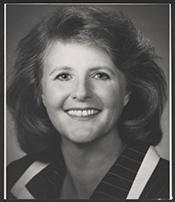
Karen L. Thurman
Karen L. Thurman Congressional Service
Karen L. Thurman is a retired United States Congresswomen for the state of Florida. KAREN served as a House Representative for the state of Florida and served a total of 5 terms in congress.
Karen L. Thurman participated in over 0 voting sessions, sponsored over 56 pieces of legislation, and cosponsored over over 2114 individual bills.
Stance on Important Issues
Economy
CentristKaren Thurman has historically supported tax cuts for middle-income families and advocated for increased funding for public infrastructure projects.
Agriculture
CentristThurman has favored policies that support small and family-owned farms, as well as measures to stabilize agricultural markets.
Immigration
LiberalShe has supported comprehensive immigration reform, including a pathway to citizenship for undocumented immigrants who meet certain criteria.
Education
LiberalThurman has advocated for increased federal funding for public schools and support for teachers, as well as measures to make higher education more affordable.
Energy
LiberalHer stance includes support for renewable energy development and initiatives to reduce dependency on fossil fuels.
Climate change
LiberalThurman acknowledges climate change as a significant issue and has supported legislation aimed at reducing carbon emissions.
Healthcare
LiberalShe has favored expanding healthcare access and has supported policies that aim to reduce the cost of prescription drugs.
Housing
LiberalThurman supports policies to increase affordable housing availability and to provide assistance to low-income families for housing stability.
Transportation
CentristShe has supported investments in public transportation and infrastructure improvements as a means to boost economic growth and connectivity.
Veterans affairs
CentristThurman has championed improved healthcare services for veterans and increased funding for veterans' benefits and support programs.
Voting rights
LiberalShe advocates for expanding voting access and opposed measures that could restrict voter participation.