0
Conrad State 30 and Physician Access Reauthorization Act
3/21/2025, 1:49 PM
Summary of Bill S 709
Specifically, the bill outlines a program that would offer financial incentives to physicians who choose to work in rural and underserved communities. These incentives could include loan repayment assistance, scholarships for medical school, and grants for continuing medical education. By providing these incentives, the bill aims to attract more physicians to these areas and encourage them to stay long-term, thereby improving the overall healthcare infrastructure in these communities.
In addition to providing incentives for physicians, the bill also includes provisions for improving healthcare facilities and resources in rural and underserved areas. This could include funding for new clinics, telemedicine services, and other initiatives aimed at increasing access to healthcare for residents in these communities. Overall, Bill 119 s 709 seeks to address the critical issue of physician shortages in rural and medically underserved communities by providing incentives for physicians to practice in these areas. By improving access to healthcare in these communities, the bill aims to ensure that all Americans have access to the medical care they need, regardless of where they live.
Congressional Summary of S 709
Conrad State 30 and Physician Access Reauthorization Act
This bill modifies the Conrad 30 Waiver program, which incentivizes qualified foreign physicians to serve in underserved communities. It also extends statutory authority for the program for three years from this bill's enactment.
Individuals coming to the United States under a J-1 nonimmigrant visa to receive medical training typically must leave the country and reside for two years abroad before being eligible to apply for an immigrant visa or permanent residence. The Conrad program waives this requirement for individuals who meet certain qualifications, including serving for a number of years at a health care facility in an underserved area.
The bill increases the number of waivers that a state may obtain each fiscal year from 30 to 35 if a certain number of waivers were used the previous year, and provides for further adjustments depending on demand.
A physician may be employed at an academic medical center to meet the Conrad program's employment requirements if the physician's work is in the public interest, even if the medical center is not in an underserved area.
Employment contracts for physicians under the Conrad program shall contain certain information, such as the maximum number of on-call hours per week the physician shall have to work.
Certain physicians (along with the physician's spouse and children) shall be exempt from the direct annual numerical limits on immigration, including those physicians that have met certain requirements related to visas for physicians to serve in underserved areas.
Read the Full Bill
Current Status of Bill S 709
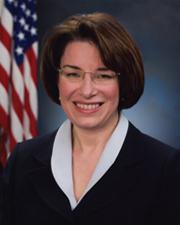
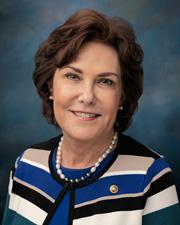
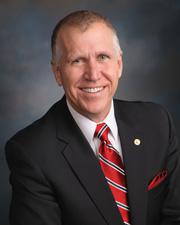
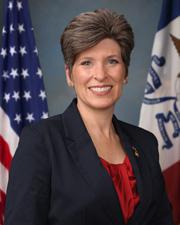
Bipartisan Support of Bill S 709
Total Number of Sponsors
1Democrat Sponsors
1Republican Sponsors
0Unaffiliated Sponsors
0Total Number of Cosponsors
3Democrat Cosponsors
1Republican Cosponsors
2Unaffiliated Cosponsors
0Policy Area and Potential Impact of Bill S 709
Primary Policy Focus
ImmigrationAlternate Title(s) of Bill S 709
Comments

Kora Forbes
1 year ago
I don't like this bill, it could make it harder for me to see my doctor. Who else is gonna be affected by it?