0
0
0
Providing for congressional disapproval under chapter 8 of title 5, United States Code, of the rule submitted by the Environmental Protection Agency relating to "National Primary Drinking Water Regulations for Lead and Copper: Improvements (LCRI)".
2/6/2025, 10:09 PM
Summary of Bill HJRES 18
Bill 119 hjres 18, also known as the Providing for congressional disapproval under chapter 8 of title 5, United States Code, of the rule submitted by the Environmental Protection Agency relating to "National Primary Drinking Water Regulations for Lead and Copper: Improvements (LCRI)", is a piece of legislation that seeks to overturn a rule proposed by the Environmental Protection Agency (EPA) regarding the regulation of lead and copper levels in drinking water.
The EPA's rule, known as the LCRI, aims to improve the National Primary Drinking Water Regulations for Lead and Copper by setting stricter standards for the allowable levels of these harmful substances in drinking water. The rule is intended to protect public health by reducing the risk of lead and copper contamination in drinking water, which can have serious health consequences, especially for children and pregnant women.
However, some members of Congress believe that the EPA's rule is overly burdensome and could impose unnecessary costs on water utilities and consumers. They argue that the rule could lead to increased water bills and compliance costs for communities across the country. In response to these concerns, Bill 119 hjres 18 seeks to use the Congressional Review Act to overturn the EPA's rule and prevent it from being implemented. If the bill is successful, the EPA would be prohibited from enforcing the LCRI, and the previous regulations for lead and copper levels in drinking water would remain in place. Overall, Bill 119 hjres 18 represents a debate between those who prioritize public health and environmental protection and those who are concerned about the economic impact of stricter regulations. The outcome of this legislation will have significant implications for the safety and quality of drinking water in the United States.
The EPA's rule, known as the LCRI, aims to improve the National Primary Drinking Water Regulations for Lead and Copper by setting stricter standards for the allowable levels of these harmful substances in drinking water. The rule is intended to protect public health by reducing the risk of lead and copper contamination in drinking water, which can have serious health consequences, especially for children and pregnant women.
However, some members of Congress believe that the EPA's rule is overly burdensome and could impose unnecessary costs on water utilities and consumers. They argue that the rule could lead to increased water bills and compliance costs for communities across the country. In response to these concerns, Bill 119 hjres 18 seeks to use the Congressional Review Act to overturn the EPA's rule and prevent it from being implemented. If the bill is successful, the EPA would be prohibited from enforcing the LCRI, and the previous regulations for lead and copper levels in drinking water would remain in place. Overall, Bill 119 hjres 18 represents a debate between those who prioritize public health and environmental protection and those who are concerned about the economic impact of stricter regulations. The outcome of this legislation will have significant implications for the safety and quality of drinking water in the United States.
Congressional Summary of HJRES 18
This joint resolution nullifies the rule titled National Primary Drinking Water Regulations for Lead and Copper: Improvements (LCRI), which was submitted by the Environmental Protection Agency on October 30, 2024. The rule modifies the regulations under the Safe Drinking Water Act to further reduce lead in drinking water, including by directing water systems to replace all lead and certain galvanized service lines under their control within 10 years.
Read the Full Bill
Current Status of Bill HJRES 18
Bill HJRES 18 is currently in the status of Bill Introduced since January 13, 2025. Bill HJRES 18 was introduced during Congress 119 and was introduced to the House on January 13, 2025. Bill HJRES 18's most recent activity was Referred to the House Committee on Energy and Commerce. as of January 13, 2025
Bipartisan Support of Bill HJRES 18
Total Number of Sponsors
4Democrat Sponsors
0Republican Sponsors
4Unaffiliated Sponsors
0Total Number of Cosponsors
0Democrat Cosponsors
0Republican Cosponsors
0Unaffiliated Cosponsors
0Policy Area and Potential Impact of Bill HJRES 18
Primary Policy Focus
Environmental ProtectionPotential Impact Areas
- Administrative law and regulatory procedures
- Congressional oversight
- Environmental Protection Agency (EPA)
- Environmental regulatory procedures
- Metals
- Water quality
Alternate Title(s) of Bill HJRES 18
Providing for congressional disapproval under chapter 8 of title 5, United States Code, of the rule submitted by the Environmental Protection Agency relating to "National Primary Drinking Water Regulations for Lead and Copper: Improvements (LCRI)".
Providing for congressional disapproval under chapter 8 of title 5, United States Code, of the rule submitted by the Environmental Protection Agency relating to "National Primary Drinking Water Regulations for Lead and Copper: Improvements (LCRI)".
Comments

Magdalena Gunter
1,067
1 year ago
I think this bill is good for us. It will help with the water.
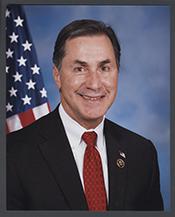
Sponsors and Cosponsors of HJRES 18
Latest Bills
TRAPS Act
Bill HR 4936September 18, 2026
Apples to Apples Comparison Act of 2025
Bill HR 4093September 18, 2026
American Lending Fairness Act of 2026
Bill HR 7866September 18, 2026
Civil Investigative Demand Reform Act of 2025
Bill HR 1653September 18, 2026
American Reserve Modernization Act of 2026
Bill HR 8957September 18, 2026
Preventive Health Savings Act
Bill HR 4464September 18, 2026
PEARL Act
Bill HR 9327September 18, 2026
Medically Tailored Home-Delivered Meals Program Pilot Act
Bill HR 5439September 18, 2026
To designate the facility of the United States Postal Service located at 117 West Lovett Street in Charlotte, Michigan, as the "Francis C. Flaherty Post Office Building".
Bill HR 9570September 18, 2026
To designate the facility of the United States Postal Service located at 1019 Avenue H in Fort Madison, Iowa, as the "Martin L. Graber Post Office".
Bill HR 4707September 18, 2026