0
0
0
Hydrogen Aviation Strategy Act
12/12/2023, 2:15 PM
Summary of Bill HR 4032
The Bill 118 hr 4032, also known as the Hydrogen Aviation Strategy Act, aims to promote the development and implementation of hydrogen fuel technology in the aviation industry. The bill recognizes the potential of hydrogen as a clean and sustainable alternative to traditional fossil fuels, and seeks to establish a comprehensive strategy for integrating hydrogen fuel into the aviation sector.
Key provisions of the bill include conducting research and development on hydrogen fuel technology, establishing pilot programs to test the feasibility and safety of hydrogen-powered aircraft, and providing grants and incentives to encourage the adoption of hydrogen fuel by airlines and aircraft manufacturers. The bill also calls for the creation of a task force to coordinate efforts between government agencies, industry stakeholders, and research institutions.
Supporters of the bill argue that hydrogen fuel has the potential to significantly reduce greenhouse gas emissions and dependence on foreign oil, while also creating new opportunities for innovation and job growth in the aviation sector. Critics, however, raise concerns about the cost and feasibility of transitioning to hydrogen fuel, as well as potential safety risks associated with its use in aircraft. Overall, the Hydrogen Aviation Strategy Act represents a bipartisan effort to explore the potential of hydrogen fuel technology in the aviation industry, and to develop a comprehensive strategy for its integration. The bill is currently under consideration in the US Congress, where it has garnered support from both Democrats and Republicans.
Key provisions of the bill include conducting research and development on hydrogen fuel technology, establishing pilot programs to test the feasibility and safety of hydrogen-powered aircraft, and providing grants and incentives to encourage the adoption of hydrogen fuel by airlines and aircraft manufacturers. The bill also calls for the creation of a task force to coordinate efforts between government agencies, industry stakeholders, and research institutions.
Supporters of the bill argue that hydrogen fuel has the potential to significantly reduce greenhouse gas emissions and dependence on foreign oil, while also creating new opportunities for innovation and job growth in the aviation sector. Critics, however, raise concerns about the cost and feasibility of transitioning to hydrogen fuel, as well as potential safety risks associated with its use in aircraft. Overall, the Hydrogen Aviation Strategy Act represents a bipartisan effort to explore the potential of hydrogen fuel technology in the aviation industry, and to develop a comprehensive strategy for its integration. The bill is currently under consideration in the US Congress, where it has garnered support from both Democrats and Republicans.
Congressional Summary of HR 4032
Hydrogen Aviation Strategy Act
This bill directs the Federal Aviation Administration (FAA) and the Department of Energy (DOE) to exercise leadership in the creation of federal and international policies relating to the safe and efficient use of hydrogen to increase aviation decarbonization and reduce air and noise pollution.
For example, the FAA and DOE must
- establish positions and goals for the use of hydrogen to increase aviation decarbonization;
- study (through grants, contracts, or interagency agreements) how the use of hydrogen would contribute to aviation decarbonization and air and noise pollution;
- study ways of accelerating the introduction of hydrogen-powered aircraft; and
- establish an advisory committee composed of representatives of the National Aeronautics and Space Administration, the aerospace industry, aviation suppliers, hydrogen producers, airlines, airport sponsors, fixed base operators, and other stakeholders to advise the Department of Transportation, the FAA, and DOE on related activities.
The FAA must also exercise leadership in the creation of federal regulations, standards, and guidance relating to the safe and efficient use of hydrogen to increase aviation decarbonization and reduce air and noise pollution.
Read the Full Bill
Current Status of Bill HR 4032
Bill HR 4032 is currently in the status of Bill Introduced since June 12, 2023. Bill HR 4032 was introduced during Congress 118 and was introduced to the House on June 12, 2023. Bill HR 4032's most recent activity was Referred to the Subcommittee on Aviation. as of June 13, 2023
Bipartisan Support of Bill HR 4032
Total Number of Sponsors
1Democrat Sponsors
1Republican Sponsors
0Unaffiliated Sponsors
0Total Number of Cosponsors
6Democrat Cosponsors
6Republican Cosponsors
0Unaffiliated Cosponsors
0Policy Area and Potential Impact of Bill HR 4032
Primary Policy Focus
Transportation and Public WorksPotential Impact Areas
- Advanced technology and technological innovations
- Advisory bodies
- Air quality
- Alternative and renewable resources
- Aviation and airports
- Climate change and greenhouse gases
- Congressional oversight
- Motor fuels
- Noise pollution
- Spacecraft and satellites
Alternate Title(s) of Bill HR 4032
Hydrogen Aviation Strategy Act
Hydrogen Aviation Strategy Act
To require the Administrator of the Federal Aviation Administration and the Secretary of Energy to exercise leadership in the creation of Federal and international policies relating to the safe and efficient use of hydrogen to increase aviation decarbonization and reduce air and noise pollution, and for other purposes.
Comments
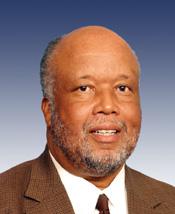
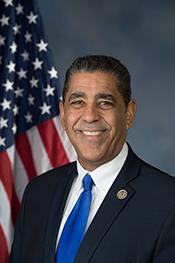
Sponsors and Cosponsors of HR 4032


Latest Bills
TRAPS Act
Bill HR 4936September 18, 2026
Apples to Apples Comparison Act of 2025
Bill HR 4093September 18, 2026
American Lending Fairness Act of 2026
Bill HR 7866September 18, 2026
Civil Investigative Demand Reform Act of 2025
Bill HR 1653September 18, 2026
American Reserve Modernization Act of 2026
Bill HR 8957September 18, 2026
Preventive Health Savings Act
Bill HR 4464September 18, 2026
PEARL Act
Bill HR 9327September 18, 2026
Medically Tailored Home-Delivered Meals Program Pilot Act
Bill HR 5439September 18, 2026
To designate the facility of the United States Postal Service located at 117 West Lovett Street in Charlotte, Michigan, as the "Francis C. Flaherty Post Office Building".
Bill HR 9570September 18, 2026
To designate the facility of the United States Postal Service located at 1019 Avenue H in Fort Madison, Iowa, as the "Martin L. Graber Post Office".
Bill HR 4707September 18, 2026
Hydrogen Aviation Strategy Act
Bill S 1902December 12, 2023