0
0
0
Achieving Equity in the Treatment of Dual Eligible Beneficiaries Act
12/29/2022, 5:18 PM
Summary of Bill HR 7997
Bill 117 HR 7997, also known as the Achieving Equity in the Treatment of Dual Eligible Beneficiaries Act, aims to address disparities in healthcare coverage for individuals who are eligible for both Medicare and Medicaid, known as dual eligible beneficiaries. These individuals often face challenges in accessing and coordinating their healthcare services due to the separate nature of the two programs.
The bill seeks to improve the coordination of care for dual eligible beneficiaries by requiring the Centers for Medicare & Medicaid Services (CMS) to establish a process for states to align their Medicare and Medicaid programs. This would include streamlining enrollment processes, improving data sharing between the two programs, and ensuring that beneficiaries receive the full range of services they are entitled to under both programs.
Additionally, the bill aims to address disparities in coverage and access to care for dual eligible beneficiaries by requiring CMS to develop and implement strategies to reduce barriers to care, such as prior authorization requirements and network restrictions. The goal is to ensure that dual eligible beneficiaries have equal access to high-quality healthcare services regardless of whether they are receiving care through Medicare or Medicaid. Overall, the Achieving Equity in the Treatment of Dual Eligible Beneficiaries Act seeks to improve the quality of care and outcomes for individuals who are eligible for both Medicare and Medicaid by addressing the systemic barriers that currently exist in the healthcare system. By promoting greater coordination and alignment between the two programs, the bill aims to achieve greater equity in the treatment of dual eligible beneficiaries.
The bill seeks to improve the coordination of care for dual eligible beneficiaries by requiring the Centers for Medicare & Medicaid Services (CMS) to establish a process for states to align their Medicare and Medicaid programs. This would include streamlining enrollment processes, improving data sharing between the two programs, and ensuring that beneficiaries receive the full range of services they are entitled to under both programs.
Additionally, the bill aims to address disparities in coverage and access to care for dual eligible beneficiaries by requiring CMS to develop and implement strategies to reduce barriers to care, such as prior authorization requirements and network restrictions. The goal is to ensure that dual eligible beneficiaries have equal access to high-quality healthcare services regardless of whether they are receiving care through Medicare or Medicaid. Overall, the Achieving Equity in the Treatment of Dual Eligible Beneficiaries Act seeks to improve the quality of care and outcomes for individuals who are eligible for both Medicare and Medicaid by addressing the systemic barriers that currently exist in the healthcare system. By promoting greater coordination and alignment between the two programs, the bill aims to achieve greater equity in the treatment of dual eligible beneficiaries.
Congressional Summary of HR 7997
Achieving Equity in the Treatment of Dual Eligible Beneficiaries Act
This bill temporarily establishes geographic adjustments for certain Medicare Advantage payment formulations, and specifies that a certain percentage of corresponding payment increases must be directed toward payments for basic benefits. It also requires U.S. territories to establish Medicare Savings Programs (currently optional in the territories).
Read the Full Bill
Current Status of Bill HR 7997
Bill HR 7997 is currently in the status of Bill Introduced since June 9, 2022. Bill HR 7997 was introduced during Congress 117 and was introduced to the House on June 9, 2022. Bill HR 7997's most recent activity was Referred to the Committee on Energy and Commerce, and in addition to the Committee on Ways and Means, for a period to be subsequently determined by the Speaker, in each case for consideration of such provisions as fall within the jurisdiction of the committee concerned. as of June 9, 2022
Bipartisan Support of Bill HR 7997
Total Number of Sponsors
1Democrat Sponsors
0Republican Sponsors
1Unaffiliated Sponsors
0Total Number of Cosponsors
20Democrat Cosponsors
10Republican Cosponsors
10Unaffiliated Cosponsors
0Policy Area and Potential Impact of Bill HR 7997
Primary Policy Focus
HealthAlternate Title(s) of Bill HR 7997
Achieving Equity in the Treatment of Dual Eligible Beneficiaries Act
Achieving Equity in the Treatment of Dual Eligible Beneficiaries Act
To amend title XVIII of the Social Security Act to establish a floor in Medicare Advantage benchmark rates for regions with low Medicare fee-for-service penetration and to make the Medicare Savings Program available in all jurisdictions.
Comments
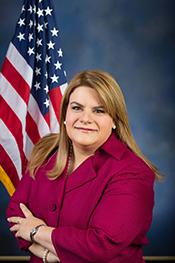
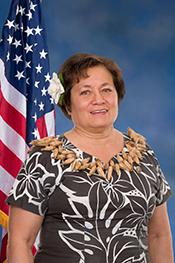
Sponsors and Cosponsors of HR 7997



Latest Bills
TRAPS Act
Bill HR 4936September 18, 2026
Apples to Apples Comparison Act of 2025
Bill HR 4093September 18, 2026
American Lending Fairness Act of 2026
Bill HR 7866September 18, 2026
Civil Investigative Demand Reform Act of 2025
Bill HR 1653September 18, 2026
American Reserve Modernization Act of 2026
Bill HR 8957September 18, 2026
Preventive Health Savings Act
Bill HR 4464September 18, 2026
PEARL Act
Bill HR 9327September 18, 2026
Medically Tailored Home-Delivered Meals Program Pilot Act
Bill HR 5439September 18, 2026
To designate the facility of the United States Postal Service located at 117 West Lovett Street in Charlotte, Michigan, as the "Francis C. Flaherty Post Office Building".
Bill HR 9570September 18, 2026
To designate the facility of the United States Postal Service located at 1019 Avenue H in Fort Madison, Iowa, as the "Martin L. Graber Post Office".
Bill HR 4707September 18, 2026