0
0
0
To designate the annex building under construction for the Elbert P. Tuttle United States Court of Appeals Building in Atlanta, Georgia, as the "John C. Godbold Federal Building".
4/7/2025, 3:18 PM
Summary of Bill HR 4275
Bill 111 HR 4275, also known as the "John C. Godbold Federal Building Act," aims to designate the annex building currently under construction for the Elbert P. Tuttle United States Court of Appeals Building in Atlanta, Georgia, as the "John C. Godbold Federal Building." This bill seeks to honor the legacy and contributions of John C. Godbold, a prominent figure in the legal community.
John C. Godbold was a respected federal judge who served on the United States Court of Appeals for the Fifth Circuit. He was known for his dedication to upholding the rule of law and promoting justice. By naming the annex building after him, this bill aims to recognize his significant impact on the legal system and his commitment to serving the public.
The Elbert P. Tuttle United States Court of Appeals Building is an important judicial facility in Atlanta, Georgia, and the designation of the annex building as the "John C. Godbold Federal Building" will serve as a fitting tribute to his legacy. This bill has garnered bipartisan support in Congress and is expected to pass with widespread approval. Overall, Bill 111 HR 4275 seeks to honor the memory of John C. Godbold and acknowledge his contributions to the legal community by naming the annex building of the Elbert P. Tuttle United States Court of Appeals Building in Atlanta, Georgia, after him.
John C. Godbold was a respected federal judge who served on the United States Court of Appeals for the Fifth Circuit. He was known for his dedication to upholding the rule of law and promoting justice. By naming the annex building after him, this bill aims to recognize his significant impact on the legal system and his commitment to serving the public.
The Elbert P. Tuttle United States Court of Appeals Building is an important judicial facility in Atlanta, Georgia, and the designation of the annex building as the "John C. Godbold Federal Building" will serve as a fitting tribute to his legacy. This bill has garnered bipartisan support in Congress and is expected to pass with widespread approval. Overall, Bill 111 HR 4275 seeks to honor the memory of John C. Godbold and acknowledge his contributions to the legal community by naming the annex building of the Elbert P. Tuttle United States Court of Appeals Building in Atlanta, Georgia, after him.
Current Status of Bill HR 4275
Bill HR 4275 is currently in the status of Bill Introduced since December 10, 2009. Bill HR 4275 was introduced during Congress 111 and was introduced to the House on December 10, 2009. Bill HR 4275's most recent activity was Became Public Law No: 111-234. as of August 16, 2010
Bipartisan Support of Bill HR 4275
Total Number of Sponsors
1Democrat Sponsors
1Republican Sponsors
0Unaffiliated Sponsors
0Total Number of Cosponsors
0Democrat Cosponsors
0Republican Cosponsors
0Unaffiliated Cosponsors
0Policy Area and Potential Impact of Bill HR 4275
Primary Policy Focus
Government Operations and PoliticsComments
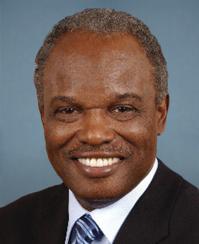
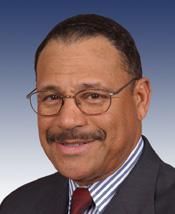
Sponsors and Cosponsors of HR 4275


Latest Bills
TRAPS Act
Bill HR 4936September 18, 2026
Apples to Apples Comparison Act of 2025
Bill HR 4093September 18, 2026
American Lending Fairness Act of 2026
Bill HR 7866September 18, 2026
Civil Investigative Demand Reform Act of 2025
Bill HR 1653September 18, 2026
American Reserve Modernization Act of 2026
Bill HR 8957September 18, 2026
Preventive Health Savings Act
Bill HR 4464September 18, 2026
PEARL Act
Bill HR 9327September 18, 2026
Medically Tailored Home-Delivered Meals Program Pilot Act
Bill HR 5439September 18, 2026
To designate the facility of the United States Postal Service located at 117 West Lovett Street in Charlotte, Michigan, as the "Francis C. Flaherty Post Office Building".
Bill HR 9570September 18, 2026
To designate the facility of the United States Postal Service located at 1019 Avenue H in Fort Madison, Iowa, as the "Martin L. Graber Post Office".
Bill HR 4707September 18, 2026