0
0
0
Schedules That Work Act
2/9/2022, 12:11 AM
Congressional Summary of S 3256
Schedules That Work Act
This bill provides employees with the right to request changes to their work schedules related to the number of hours they are required to work or be on call, the location of the work, the amount of notification about work schedule assignments, and fluctuations in work hours.
Employers must negotiate in good faith with employees who make such requests and comply with certain work schedule notice and split shift pay requirements for retail, food service, cleaning, hospitality, or warehouse employees.
Read the Full Bill
Current Status of Bill S 3256
Bill S 3256 is currently in the status of Bill Introduced since February 5, 2020. Bill S 3256 was introduced during Congress 116 and was introduced to the Senate on February 5, 2020. Bill S 3256's most recent activity was Read twice and referred to the Committee on Health, Education, Labor, and Pensions. as of February 5, 2020
Bipartisan Support of Bill S 3256
Total Number of Sponsors
1Democrat Sponsors
1Republican Sponsors
0Unaffiliated Sponsors
0Total Number of Cosponsors
23Democrat Cosponsors
22Republican Cosponsors
0Unaffiliated Cosponsors
1Policy Area and Potential Impact of Bill S 3256
Primary Policy Focus
Labor and EmploymentPotential Impact Areas
- Administrative law and regulatory procedures
- Business records
- Child care and development
- Civil actions and liability
- Department of Labor
- Employee leave
- Employment and training programs
- Employment discrimination and employee rights
- Family relationships
- Food industry and services
- Government Accountability Office (GAO)
- Government information and archives
- Labor standards
- Labor-management relations
- Library of Congress
- Office of Personnel Management (OPM)
- Retail and wholesale trades
- Wages and earnings
- Worker safety and health
Alternate Title(s) of Bill S 3256
Schedules That Work Act
Schedules That Work Act
A bill to permit employees to require changes to their work schedules without fear of retaliation and to ensure that employers consider these requests, and to require employers to provide more predictable and stable schedules for employees in certain occupations with evidence of unpredictable and unstable scheduling practices that negatively affect employees, and for other purposes.
Comments
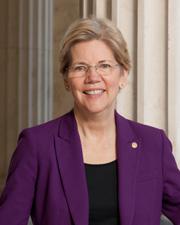
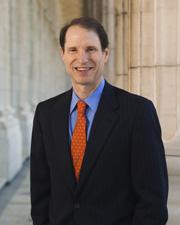
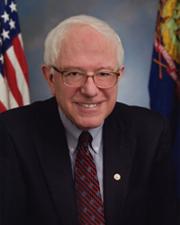
Sponsors and Cosponsors of S 3256



Latest Bills
TRAPS Act
Bill HR 4936September 18, 2026
Apples to Apples Comparison Act of 2025
Bill HR 4093September 18, 2026
American Lending Fairness Act of 2026
Bill HR 7866September 18, 2026
Civil Investigative Demand Reform Act of 2025
Bill HR 1653September 18, 2026
American Reserve Modernization Act of 2026
Bill HR 8957September 18, 2026
Preventive Health Savings Act
Bill HR 4464September 18, 2026
PEARL Act
Bill HR 9327September 18, 2026
Medically Tailored Home-Delivered Meals Program Pilot Act
Bill HR 5439September 18, 2026
To designate the facility of the United States Postal Service located at 117 West Lovett Street in Charlotte, Michigan, as the "Francis C. Flaherty Post Office Building".
Bill HR 9570September 18, 2026
To designate the facility of the United States Postal Service located at 1019 Avenue H in Fort Madison, Iowa, as the "Martin L. Graber Post Office".
Bill HR 4707September 18, 2026