0
0

UIGHUR Act of 2019

12/15/2022, 8:43 PM

Congressional Summary of S 178

Uighur Intervention and Global Humanitarian Unified Response Act of 2019 or the UIGHUR Act of 2019

This bill directs the President to impose sanctions and export restrictions related to China's treatment of the Uyghurs, a predominantly Muslim Turkic ethnic group.

The President shall report to Congress a list of senior Chinese government officials who are engaged in or responsible for serious human rights abuses, including mass incarceration and political indoctrination, against Turkic Muslims in China's Xinjiang Uyghur Autonomous Region. The President shall impose visa- and property-blocking sanctions on such individuals. The President may waive the imposition of such sanctions on U.S. national interest grounds.

The President shall identify items that provide China with a critical capability to suppress basic human rights, including items that provide capability to (1) conduct surveillance, (2) monitor and restrict an individual's movement, (3) monitor and restrict access to the internet, and (4) identify individuals through facial or voice recognition. The President shall (1) place such items on the Commerce Control List (a list of items subject to export controls); and (2) require authorization for the export, reexport, or transfer of such items to or within China.

The bill terminates certain prohibitions, such as a prohibition against obligating funds for U.S. Trade and Development Agency activities in China, upon a report by the President to Congress that China has taken specified actions, including ending the mass internment of Turkic Muslims in Xinjiang.

The Department of State shall report to Congress on human rights abuses in Xinjiang, including an assessment of the number of individuals detained in forced labor camps.
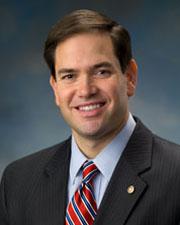

Current Status of Bill S 178

Bill S 178 is currently in the status of Bill Introduced since January 17, 2019. Bill S 178 was introduced during Congress 116 and was introduced to the Senate on January 17, 2019.  Bill S 178's most recent activity was Second cloture on the motion to concur in the House amendment to S. 178 with an amendment (SA 2652) not invoked in Senate by Yea-Nay Vote. 51 - 44. Record Vote Number: 207. (CR S6343) as of October 21, 2020

Bipartisan Support of Bill S 178

Total Number of Sponsors
1
Democrat Sponsors
0
Republican Sponsors
1
Unaffiliated Sponsors
0
Total Number of Cosponsors
50
Democrat Cosponsors
27
Republican Cosponsors
21
Unaffiliated Cosponsors
2

Policy Area and Potential Impact of Bill S 178

Primary Policy Focus

International Affairs

Potential Impact Areas

- Alliances
- Asia
- Business ethics
- China
- Congressional oversight
- Congressional tributes
- Criminal investigation, prosecution, interrogation
- Department of State
- Detention of persons
- Diplomacy, foreign officials, Americans abroad
- Executive agency funding and structure
- Federal officials
- Foreign and international corporations
- Government information and archives
- Human rights
- Human trafficking
- Industrial facilities
- Intelligence activities, surveillance, classified information
- International exchange and broadcasting
- International organizations and cooperation
- Internet and video services
- Internet, web applications, social media
- Labor standards
- Licensing and registrations
- Manufacturing
- News media and reporting
- Racial and ethnic relations
- Refugees, asylum, displaced persons
- Religion
- Right of privacy
- Sanctions
- Technology transfer and commercialization
- Terrorism
- Trade restrictions
- United Nations
- Visas and passports
- Wages and earnings

Alternate Title(s) of Bill S 178

UIGHUR Act of 2019
Uyghur Human Rights Policy Act of 2019
UIGHUR Act of 2019
Uighur Intervention and Global Humanitarian Unified Response Act of 2019
A bill to condemn gross human rights violations of ethnic Turkic Muslims in Xinjiang, and calling for an end to arbitrary detention, torture, and harassment of these communities inside and outside China.

Comments