0
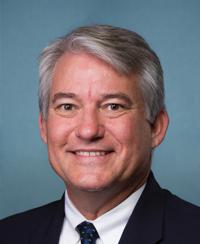
Dennis A. Ross
Dennis A. Ross Congressional Service
Dennis A. Ross is a retired United States Congressman for the state of Florida. Dennis served as a House Representative for the state of Florida and served a total of 4 terms in congress.
Dennis A. Ross participated in over 442 voting sessions, sponsored over 79 pieces of legislation, and cosponsored over over 1213 individual bills.
Stance on Important Issues
Economy
ConservativeDennis Ross typically supports policies that advocate for lower taxes, reduced government spending, and deregulation to stimulate economic growth.
Agriculture
ConservativeRoss has backed legislation to support the agricultural industry, including measures that provide subsidies and reduce regulatory burdens on farmers.
Immigration
ConservativeHe supports strict immigration enforcement policies, including border security measures and reducing illegal immigration.
Education
ConservativeRoss advocates for school choice and local control over education, often supporting charter schools and voucher programs.
Energy
ConservativeHe has favored expanding domestic energy production, including oil and natural gas exploration, while opposing extensive regulations on the industry.
Climate change
ConservativeRoss generally downplays the urgency of climate change regulations and supports industry-friendly policies over environmental restrictions.
Healthcare
ConservativeHe supports repealing and replacing the Affordable Care Act with market-based healthcare solutions.
Housing
ConservativeRoss backs policies that aim to reduce federal involvement and encourage private sector solutions in addressing housing issues.
Transportation
ConservativeHe generally supports infrastructure development but prefers funding mechanisms that minimize federal expenditure.
Veterans affairs
ConservativeRoss consistently advocates for improving veterans' benefits and streamlining services in the Department of Veterans Affairs.
Voting rights
ConservativeHe supports measures such as voter ID laws to ensure election integrity, which are often seen as increasing voting restrictions.