0
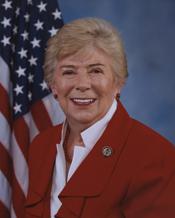
Carolyn McCarthy
Carolyn McCarthy Congressional Service
Carolyn McCarthy is a retired United States Congresswomen for the state of New York. CAROLYN served as a House Representative for the state of New York and served a total of 9 terms in congress.
Carolyn McCarthy participated in over 455 voting sessions, sponsored over 228 pieces of legislation, and cosponsored over over 3494 individual bills.
Stance on Important Issues
Economy
LiberalCarolyn McCarthy generally supported economic policies that aimed to reduce income inequality and promote job creation through infrastructure investment and tax reforms favoring the middle class.
Agriculture
LiberalMcCarthy advocated for supporting small and local farms and was in favor of implementing sustainable agricultural practices.
Immigration
LiberalCarolyn McCarthy supported comprehensive immigration reform, including pathways to citizenship for undocumented immigrants and improved border security.
Education
LiberalShe focused on increasing funding for public education, promoting access to higher education, and supporting initiatives to reduce class sizes.
Energy
LiberalMcCarthy favored investment in renewable energy sources and the gradual reduction of reliance on fossil fuels.
Climate change
LiberalShe recognized climate change as a significant issue and supported policies aimed at reducing carbon emissions and promoting green technologies.
Healthcare
LiberalCarolyn McCarthy supported the expansion of healthcare access through the Affordable Care Act and advocated for women's health services.
Housing
LiberalMcCarthy pushed for policies to increase affordable housing and assist lower-income families in securing housing.
Transportation
LiberalShe supported federal investment in public transportation infrastructure to improve efficiency and reduce emissions.
Veterans affairs
LiberalCarolyn McCarthy advocated for improved healthcare services and benefits for veterans, including mental health support.
Voting rights
LiberalShe supported efforts to make voting more accessible and opposed measures perceived as voter suppression.