62
54
54
Disaster Assistance Simplification Act
12/18/2025, 12:49 PM
Summary of Bill S 861
Bill 119 s 861, also known as the "Disaster Recovery Reform Act of 2018," aims to improve the coordination and efficiency of federal disaster assistance agencies in order to provide quicker and more effective aid to disaster survivors. The bill seeks to streamline the sharing of information among these agencies to expedite the delivery of life-saving assistance and speed up the recovery process for communities affected by disasters.
One of the key goals of the bill is to protect the security and privacy of information provided by disaster survivors. This includes ensuring that sensitive personal information is safeguarded and not misused during the recovery process. The bill also includes provisions to enhance transparency and accountability in the disaster recovery process, ensuring that funds are used efficiently and effectively.
Overall, Bill 119 s 861 aims to improve the federal government's response to disasters and better support communities in their recovery efforts. By streamlining information sharing, protecting privacy, and promoting accountability, the bill seeks to make the disaster recovery process more efficient and effective for all involved.
One of the key goals of the bill is to protect the security and privacy of information provided by disaster survivors. This includes ensuring that sensitive personal information is safeguarded and not misused during the recovery process. The bill also includes provisions to enhance transparency and accountability in the disaster recovery process, ensuring that funds are used efficiently and effectively.
Overall, Bill 119 s 861 aims to improve the federal government's response to disasters and better support communities in their recovery efforts. By streamlining information sharing, protecting privacy, and promoting accountability, the bill seeks to make the disaster recovery process more efficient and effective for all involved.
Congressional Summary of S 861
Disaster Assistance Simplification Act
This bill directs the Federal Emergency Management Agency (FEMA) to develop and establish a unified intake process and system for applicants for assistance provided by a disaster assistance agency.
The system must
- facilitate a consolidated application for any form of disaster assistance provided by a disaster assistance agency when appropriate to support the nature and purposes of the assistance;
- carry out the purposes of disaster assistance programs swiftly, efficiently, equitably, and in accordance with specified laws and privacy and data protections; and
- support the detection, prevention, and investigation of waste, fraud, abuse, or discrimination in the administration of disaster assistance programs.
Further, the system must, among other things
- accept applications for disaster assistance programs;
- permit applicants to receive status updates on such applications;
- allow applicants to update disaster assistance information throughout their recovery journeys;
- permit the distribution of information on additional recovery resources to disaster survivors that may be available in a disaster-stricken jurisdiction in coordination with appropriate federal, state, local, and tribal partners; and
- permit disaster assistance agencies to communicate directly with disaster survivors.
Not later than 30 days after receiving a request from a disaster assistance agency to update questions in the consolidated application needed to administer the disaster assistance programs of the agency, FEMA must make those updates.
The bill requires reports and congressional briefings from FEMA, and a report from the Government Accountability Office, relating to the bill's implementation.
Read the Full Bill
Current Status of Bill S 861
Bill S 861 is currently in the status of Passed in Senate since December 16, 2025. Bill S 861 was introduced during Congress 119 and was introduced to the Senate on March 5, 2025. Bill S 861's most recent activity was Held at the desk. as of December 17, 2025
Bipartisan Support of Bill S 861
Total Number of Sponsors
1Democrat Sponsors
1Republican Sponsors
0Unaffiliated Sponsors
0Total Number of Cosponsors
12Democrat Cosponsors
0Republican Cosponsors
12Unaffiliated Cosponsors
0Policy Area and Potential Impact of Bill S 861
Primary Policy Focus
Emergency ManagementAlternate Title(s) of Bill S 861
A bill to streamline the sharing of information among Federal disaster assistance agencies, to expedite the delivery of life-saving assistance to disaster survivors, to speed the recovery of communities from disasters, to protect the security and privacy of information provided by disaster survivors, and for other purposes.
A bill to streamline the sharing of information among Federal disaster assistance agencies, to expedite the delivery of life-saving assistance to disaster survivors, to speed the recovery of communities from disasters, to protect the security and privacy of information provided by disaster survivors, and for other purposes.
Comments
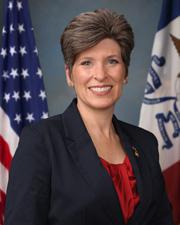
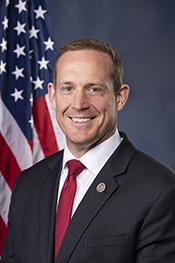
Sponsors and Cosponsors of S 861




Latest Bills
TRAPS Act
Bill HR 4936September 18, 2026
Apples to Apples Comparison Act of 2025
Bill HR 4093September 18, 2026
American Lending Fairness Act of 2026
Bill HR 7866September 18, 2026
Civil Investigative Demand Reform Act of 2025
Bill HR 1653September 18, 2026
American Reserve Modernization Act of 2026
Bill HR 8957September 18, 2026
Preventive Health Savings Act
Bill HR 4464September 18, 2026
PEARL Act
Bill HR 9327September 18, 2026
Medically Tailored Home-Delivered Meals Program Pilot Act
Bill HR 5439September 18, 2026
To designate the facility of the United States Postal Service located at 117 West Lovett Street in Charlotte, Michigan, as the "Francis C. Flaherty Post Office Building".
Bill HR 9570September 18, 2026
To designate the facility of the United States Postal Service located at 1019 Avenue H in Fort Madison, Iowa, as the "Martin L. Graber Post Office".
Bill HR 4707September 18, 2026