4
1
1
Protecting Local Communities from Harmful Algal Blooms Act
4/6/2025, 4:38 AM
Summary of Bill HR 2408
Bill 119 HR 2408, also known as the Algal Bloom Disaster Declaration Act, aims to amend the Robert T. Stafford Disaster Relief and Emergency Assistance Act to include algal blooms in the definition of a major disaster. This bill recognizes the harmful effects of algal blooms on communities and ecosystems, and seeks to provide federal assistance to areas affected by these toxic blooms.
Algal blooms, which occur when algae grow rapidly and produce toxins in bodies of water, can have devastating impacts on public health, local economies, and the environment. By including algal blooms in the definition of a major disaster, this bill would allow affected communities to access federal resources and funding to mitigate the effects of these blooms and support recovery efforts.
In addition to addressing algal blooms, the bill also includes provisions for other disaster relief and emergency assistance purposes. This could include providing assistance to communities affected by natural disasters such as hurricanes, wildfires, and floods. Overall, Bill 119 HR 2408 seeks to improve the federal government's response to disasters, including algal blooms, and ensure that affected communities have the support they need to recover and rebuild.
Algal blooms, which occur when algae grow rapidly and produce toxins in bodies of water, can have devastating impacts on public health, local economies, and the environment. By including algal blooms in the definition of a major disaster, this bill would allow affected communities to access federal resources and funding to mitigate the effects of these blooms and support recovery efforts.
In addition to addressing algal blooms, the bill also includes provisions for other disaster relief and emergency assistance purposes. This could include providing assistance to communities affected by natural disasters such as hurricanes, wildfires, and floods. Overall, Bill 119 HR 2408 seeks to improve the federal government's response to disasters, including algal blooms, and ensure that affected communities have the support they need to recover and rebuild.
Read the Full Bill
Current Status of Bill HR 2408
Bill HR 2408 is currently in the status of Bill Introduced since March 27, 2025. Bill HR 2408 was introduced during Congress 119 and was introduced to the House on March 27, 2025. Bill HR 2408's most recent activity was Referred to the House Committee on Transportation and Infrastructure. as of March 27, 2025
Bipartisan Support of Bill HR 2408
Total Number of Sponsors
2Democrat Sponsors
0Republican Sponsors
2Unaffiliated Sponsors
0Total Number of Cosponsors
0Democrat Cosponsors
0Republican Cosponsors
0Unaffiliated Cosponsors
0Policy Area and Potential Impact of Bill HR 2408
Primary Policy Focus
Alternate Title(s) of Bill HR 2408
Protecting Local Communities from Harmful Algal Blooms Act
Protecting Local Communities from Harmful Algal Blooms Act
To amend the Robert T. Stafford Disaster Relief and Emergency Assistance Act to include algal blooms in the definition of a major disaster, and for other purposes.
Comments
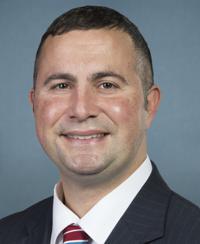
Sponsors and Cosponsors of HR 2408

Latest Bills
TRAPS Act
Bill HR 4936September 18, 2026
Apples to Apples Comparison Act of 2025
Bill HR 4093September 18, 2026
American Lending Fairness Act of 2026
Bill HR 7866September 18, 2026
Civil Investigative Demand Reform Act of 2025
Bill HR 1653September 18, 2026
American Reserve Modernization Act of 2026
Bill HR 8957September 18, 2026
Preventive Health Savings Act
Bill HR 4464September 18, 2026
PEARL Act
Bill HR 9327September 18, 2026
Medically Tailored Home-Delivered Meals Program Pilot Act
Bill HR 5439September 18, 2026
To designate the facility of the United States Postal Service located at 117 West Lovett Street in Charlotte, Michigan, as the "Francis C. Flaherty Post Office Building".
Bill HR 9570September 18, 2026
To designate the facility of the United States Postal Service located at 1019 Avenue H in Fort Madison, Iowa, as the "Martin L. Graber Post Office".
Bill HR 4707September 18, 2026