0
0
0
District of Columbia Superior Court Jury Duty for Seniors Opt Out Act of 2025
3/20/2025, 10:23 AM
Summary of Bill HR 1537
Bill 119 HR 1537, also known as the "Jury Service Opt-Out Act," is a proposed piece of legislation that would allow individuals who are 70 years of age or older to choose to opt out of serving on a jury in the Superior Court of the District of Columbia.
The bill aims to provide older individuals with the option to be excused from jury duty, as they may face physical or cognitive limitations that could make serving on a jury difficult or burdensome. By allowing these individuals to opt out of jury service, the bill seeks to ensure that the jury pool is composed of individuals who are able to fully participate in the judicial process.
If passed, the bill would give individuals who are 70 years of age or older the ability to request an exemption from jury duty by submitting a written request to the court. The court would then have the discretion to grant the exemption based on the individual's age and any other relevant factors. Overall, the "Jury Service Opt-Out Act" aims to provide older individuals with the flexibility to choose whether or not to serve on a jury, while also ensuring that the jury pool remains diverse and representative of the community.
The bill aims to provide older individuals with the option to be excused from jury duty, as they may face physical or cognitive limitations that could make serving on a jury difficult or burdensome. By allowing these individuals to opt out of jury service, the bill seeks to ensure that the jury pool is composed of individuals who are able to fully participate in the judicial process.
If passed, the bill would give individuals who are 70 years of age or older the ability to request an exemption from jury duty by submitting a written request to the court. The court would then have the discretion to grant the exemption based on the individual's age and any other relevant factors. Overall, the "Jury Service Opt-Out Act" aims to provide older individuals with the flexibility to choose whether or not to serve on a jury, while also ensuring that the jury pool remains diverse and representative of the community.
Read the Full Bill
Current Status of Bill HR 1537
Bill HR 1537 is currently in the status of Bill Introduced since February 24, 2025. Bill HR 1537 was introduced during Congress 119 and was introduced to the House on February 24, 2025. Bill HR 1537's most recent activity was Referred to the House Committee on Oversight and Government Reform. as of February 24, 2025
Bipartisan Support of Bill HR 1537
Total Number of Sponsors
3Democrat Sponsors
3Republican Sponsors
0Unaffiliated Sponsors
0Total Number of Cosponsors
0Democrat Cosponsors
0Republican Cosponsors
0Unaffiliated Cosponsors
0Policy Area and Potential Impact of Bill HR 1537
Primary Policy Focus
Alternate Title(s) of Bill HR 1537
To permit individuals 70 years of age or older to opt out of jury service in the Superior Court of the District of Columbia.
To permit individuals 70 years of age or older to opt out of jury service in the Superior Court of the District of Columbia.
Comments
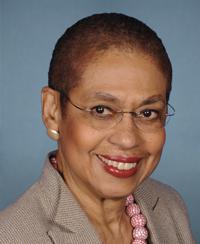
Sponsors and Cosponsors of HR 1537
Latest Bills
TRAPS Act
Bill HR 4936September 18, 2026
Apples to Apples Comparison Act of 2025
Bill HR 4093September 18, 2026
American Lending Fairness Act of 2026
Bill HR 7866September 18, 2026
Civil Investigative Demand Reform Act of 2025
Bill HR 1653September 18, 2026
American Reserve Modernization Act of 2026
Bill HR 8957September 18, 2026
Preventive Health Savings Act
Bill HR 4464September 18, 2026
PEARL Act
Bill HR 9327September 18, 2026
Medically Tailored Home-Delivered Meals Program Pilot Act
Bill HR 5439September 18, 2026
To designate the facility of the United States Postal Service located at 117 West Lovett Street in Charlotte, Michigan, as the "Francis C. Flaherty Post Office Building".
Bill HR 9570September 18, 2026
To designate the facility of the United States Postal Service located at 1019 Avenue H in Fort Madison, Iowa, as the "Martin L. Graber Post Office".
Bill HR 4707September 18, 2026