0
0
0
Washington, D.C. Admission Act
12/15/2023, 4:05 PM
Summary of Bill S 51
The Bill 118 s 51, also known as the Washington, D.C. Admission Act, is a piece of legislation that seeks to grant statehood to Washington, D.C. The bill was introduced in the Senate on January 4, 2021 by Senator Tom Carper.
If passed, the Washington, D.C. Admission Act would make Washington, D.C. the 51st state of the United States. The bill proposes to shrink the federal district to a small area encompassing the White House, Capitol, Supreme Court, and other federal buildings, while the rest of the district would become the new state of Washington, Douglass Commonwealth, named after abolitionist Frederick Douglass.
The bill outlines the process for admitting Washington, D.C. as a state, including the election of two Senators and one Representative to Congress. It also addresses the issue of federal payments to the new state, ensuring that the federal government will continue to provide financial support for certain functions currently handled by the district government. Supporters of the Washington, D.C. Admission Act argue that granting statehood to Washington, D.C. would provide equal representation for its residents, who currently lack voting representation in Congress. Opponents of the bill argue that the Constitution does not allow for the creation of a new state out of the federal district. The Washington, D.C. Admission Act has garnered support from many Democrats in Congress, but faces opposition from Republicans who argue that the bill is a partisan power grab. The bill is currently under consideration in the Senate Committee on Homeland Security and Governmental Affairs.
If passed, the Washington, D.C. Admission Act would make Washington, D.C. the 51st state of the United States. The bill proposes to shrink the federal district to a small area encompassing the White House, Capitol, Supreme Court, and other federal buildings, while the rest of the district would become the new state of Washington, Douglass Commonwealth, named after abolitionist Frederick Douglass.
The bill outlines the process for admitting Washington, D.C. as a state, including the election of two Senators and one Representative to Congress. It also addresses the issue of federal payments to the new state, ensuring that the federal government will continue to provide financial support for certain functions currently handled by the district government. Supporters of the Washington, D.C. Admission Act argue that granting statehood to Washington, D.C. would provide equal representation for its residents, who currently lack voting representation in Congress. Opponents of the bill argue that the Constitution does not allow for the creation of a new state out of the federal district. The Washington, D.C. Admission Act has garnered support from many Democrats in Congress, but faces opposition from Republicans who argue that the bill is a partisan power grab. The bill is currently under consideration in the Senate Committee on Homeland Security and Governmental Affairs.
Current Status of Bill S 51
Bill S 51 is currently in the status of Bill Introduced since January 24, 2023. Bill S 51 was introduced during Congress 118 and was introduced to the Senate on January 24, 2023. Bill S 51's most recent activity was Read twice and referred to the Committee on Homeland Security and Governmental Affairs. as of January 24, 2023
Bipartisan Support of Bill S 51
Total Number of Sponsors
1Democrat Sponsors
1Republican Sponsors
0Unaffiliated Sponsors
0Total Number of Cosponsors
0Democrat Cosponsors
0Republican Cosponsors
0Unaffiliated Cosponsors
0Policy Area and Potential Impact of Bill S 51
Primary Policy Focus
Government Operations and PoliticsComments
Sponsors and Cosponsors of S 51

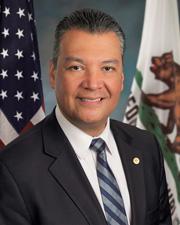
Latest Bills
TRAPS Act
Bill HR 4936September 18, 2026
Apples to Apples Comparison Act of 2025
Bill HR 4093September 18, 2026
American Lending Fairness Act of 2026
Bill HR 7866September 18, 2026
Civil Investigative Demand Reform Act of 2025
Bill HR 1653September 18, 2026
American Reserve Modernization Act of 2026
Bill HR 8957September 18, 2026
Preventive Health Savings Act
Bill HR 4464September 18, 2026
PEARL Act
Bill HR 9327September 18, 2026
Medically Tailored Home-Delivered Meals Program Pilot Act
Bill HR 5439September 18, 2026
To designate the facility of the United States Postal Service located at 117 West Lovett Street in Charlotte, Michigan, as the "Francis C. Flaherty Post Office Building".
Bill HR 9570September 18, 2026
To designate the facility of the United States Postal Service located at 1019 Avenue H in Fort Madison, Iowa, as the "Martin L. Graber Post Office".
Bill HR 4707September 18, 2026
Washington, D.C. Admission Act
Bill HR 51January 23, 2024