0
0
0
A bill to provide for the discharge of parent borrower liability if a student on whose behalf a parent has received certain student loans becomes disabled.
5/23/2024, 10:56 AM
Summary of Bill S 4333
Bill 118 s 4333, also known as the "Discharge of Parent Borrower Liability Act," aims to address the issue of parent borrowers who have taken out student loans on behalf of their children and are unable to repay them due to the child becoming disabled. The bill proposes that if a student who has received certain student loans becomes disabled, the parent borrower's liability for the loan will be discharged.
This bill is designed to provide relief to parents who have taken on the financial responsibility of their child's education, only to face financial hardship when their child becomes disabled and is unable to repay the loans. By discharging the parent borrower's liability in these circumstances, the bill seeks to alleviate the financial burden on families facing such difficult situations.
The bill does not specify which types of student loans would qualify for this discharge, but it is likely that it would apply to federal student loans that are taken out by parents on behalf of their children. It is important to note that this bill does not forgive the student loans themselves, but rather releases the parent borrower from the obligation to repay them if the student becomes disabled. Overall, Bill 118 s 4333 aims to provide a compassionate solution to the financial challenges faced by families when a student becomes disabled and is unable to repay their student loans. It offers a practical and much-needed support system for parents in these difficult circumstances.
This bill is designed to provide relief to parents who have taken on the financial responsibility of their child's education, only to face financial hardship when their child becomes disabled and is unable to repay the loans. By discharging the parent borrower's liability in these circumstances, the bill seeks to alleviate the financial burden on families facing such difficult situations.
The bill does not specify which types of student loans would qualify for this discharge, but it is likely that it would apply to federal student loans that are taken out by parents on behalf of their children. It is important to note that this bill does not forgive the student loans themselves, but rather releases the parent borrower from the obligation to repay them if the student becomes disabled. Overall, Bill 118 s 4333 aims to provide a compassionate solution to the financial challenges faced by families when a student becomes disabled and is unable to repay their student loans. It offers a practical and much-needed support system for parents in these difficult circumstances.
Current Status of Bill S 4333
Bill S 4333 is currently in the status of Bill Introduced since May 14, 2024. Bill S 4333 was introduced during Congress 118 and was introduced to the Senate on May 14, 2024. Bill S 4333's most recent activity was Read twice and referred to the Committee on Health, Education, Labor, and Pensions. as of May 14, 2024
Bipartisan Support of Bill S 4333
Total Number of Sponsors
1Democrat Sponsors
0Republican Sponsors
1Unaffiliated Sponsors
0Total Number of Cosponsors
6Democrat Cosponsors
4Republican Cosponsors
2Unaffiliated Cosponsors
0Policy Area and Potential Impact of Bill S 4333
Primary Policy Focus
Alternate Title(s) of Bill S 4333
A bill to provide for the discharge of parent borrower liability if a student on whose behalf a parent has received certain student loans becomes disabled.
A bill to provide for the discharge of parent borrower liability if a student on whose behalf a parent has received certain student loans becomes disabled.
Comments
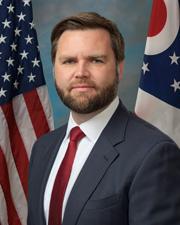
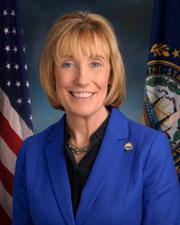
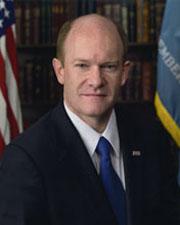
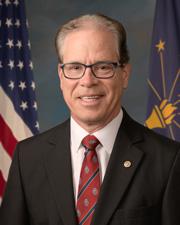
Sponsors and Cosponsors of S 4333
Latest Bills
TRAPS Act
Bill HR 4936September 18, 2026
Apples to Apples Comparison Act of 2025
Bill HR 4093September 18, 2026
American Lending Fairness Act of 2026
Bill HR 7866September 18, 2026
Civil Investigative Demand Reform Act of 2025
Bill HR 1653September 18, 2026
American Reserve Modernization Act of 2026
Bill HR 8957September 18, 2026
Preventive Health Savings Act
Bill HR 4464September 18, 2026
PEARL Act
Bill HR 9327September 18, 2026
Medically Tailored Home-Delivered Meals Program Pilot Act
Bill HR 5439September 18, 2026
To designate the facility of the United States Postal Service located at 117 West Lovett Street in Charlotte, Michigan, as the "Francis C. Flaherty Post Office Building".
Bill HR 9570September 18, 2026
To designate the facility of the United States Postal Service located at 1019 Avenue H in Fort Madison, Iowa, as the "Martin L. Graber Post Office".
Bill HR 4707September 18, 2026