0
0
0
A bill to provide that individuals convicted of certain crimes relating to institutions of higher education are ineligible for Federal student financial assistance under title IV of the Higher Education Act of 1965, and for other purposes.
5/10/2024, 10:56 AM
Summary of Bill S 4302
Bill 118 s 4302, also known as the "Ineligibility for Federal Student Financial Assistance Act," aims to prevent individuals who have been convicted of certain crimes related to institutions of higher education from receiving federal student financial assistance under Title IV of the Higher Education Act of 1965.
The bill specifies that individuals who have been convicted of crimes such as fraud, embezzlement, or bribery involving a higher education institution would be ineligible for federal student aid. This measure is intended to protect taxpayer dollars and ensure that individuals who have committed crimes related to higher education are not able to benefit from federal financial assistance.
In addition to addressing eligibility for federal student aid, the bill also includes provisions for reporting requirements and enforcement mechanisms to ensure compliance with the new regulations. This includes requiring institutions of higher education to report any convictions of individuals related to crimes involving the institution, as well as penalties for non-compliance. Overall, the purpose of Bill 118 s 4302 is to uphold the integrity of the federal student financial assistance program and prevent individuals who have committed crimes related to higher education from receiving taxpayer-funded aid.
The bill specifies that individuals who have been convicted of crimes such as fraud, embezzlement, or bribery involving a higher education institution would be ineligible for federal student aid. This measure is intended to protect taxpayer dollars and ensure that individuals who have committed crimes related to higher education are not able to benefit from federal financial assistance.
In addition to addressing eligibility for federal student aid, the bill also includes provisions for reporting requirements and enforcement mechanisms to ensure compliance with the new regulations. This includes requiring institutions of higher education to report any convictions of individuals related to crimes involving the institution, as well as penalties for non-compliance. Overall, the purpose of Bill 118 s 4302 is to uphold the integrity of the federal student financial assistance program and prevent individuals who have committed crimes related to higher education from receiving taxpayer-funded aid.
Current Status of Bill S 4302
Bill S 4302 is currently in the status of Bill Introduced since May 9, 2024. Bill S 4302 was introduced during Congress 118 and was introduced to the Senate on May 9, 2024. Bill S 4302's most recent activity was Read twice and referred to the Committee on Health, Education, Labor, and Pensions. as of May 9, 2024
Bipartisan Support of Bill S 4302
Total Number of Sponsors
1Democrat Sponsors
0Republican Sponsors
1Unaffiliated Sponsors
0Total Number of Cosponsors
16Democrat Cosponsors
0Republican Cosponsors
16Unaffiliated Cosponsors
0Policy Area and Potential Impact of Bill S 4302
Primary Policy Focus
Alternate Title(s) of Bill S 4302
A bill to provide that individuals convicted of certain crimes relating to institutions of higher education are ineligible for Federal student financial assistance under title IV of the Higher Education Act of 1965, and for other purposes.
A bill to provide that individuals convicted of certain crimes relating to institutions of higher education are ineligible for Federal student financial assistance under title IV of the Higher Education Act of 1965, and for other purposes.
Comments
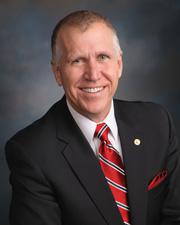
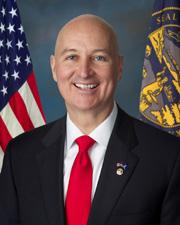
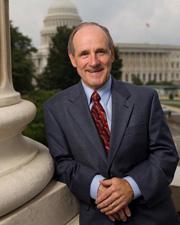
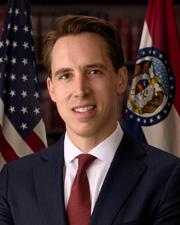
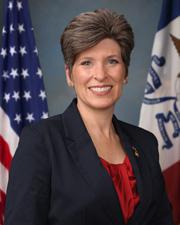
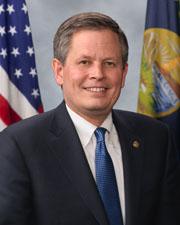
Sponsors and Cosponsors of S 4302
Latest Bills
TRAPS Act
Bill HR 4936September 18, 2026
Apples to Apples Comparison Act of 2025
Bill HR 4093September 18, 2026
American Lending Fairness Act of 2026
Bill HR 7866September 18, 2026
Civil Investigative Demand Reform Act of 2025
Bill HR 1653September 18, 2026
American Reserve Modernization Act of 2026
Bill HR 8957September 18, 2026
Preventive Health Savings Act
Bill HR 4464September 18, 2026
PEARL Act
Bill HR 9327September 18, 2026
Medically Tailored Home-Delivered Meals Program Pilot Act
Bill HR 5439September 18, 2026
To designate the facility of the United States Postal Service located at 117 West Lovett Street in Charlotte, Michigan, as the "Francis C. Flaherty Post Office Building".
Bill HR 9570September 18, 2026
To designate the facility of the United States Postal Service located at 1019 Avenue H in Fort Madison, Iowa, as the "Martin L. Graber Post Office".
Bill HR 4707September 18, 2026