0
0
0
A bill to require the Federal Energy Regulatory Commission to extend the time period during which licensees are required to commence construction of certain hydropower projects.
1/16/2025, 8:51 PM
Summary of Bill S 3373
Bill 118 s 3373, also known as the "Hydropower Permit Extension Act," is a proposed piece of legislation that aims to require the Federal Energy Regulatory Commission (FERC) to extend the time period in which licensees are required to begin construction on certain hydropower projects. Currently, licensees are required to commence construction within a specific timeframe after receiving a license from FERC. However, this bill seeks to provide more flexibility to licensees by extending this timeframe.
The bill specifically targets hydropower projects, which are a renewable source of energy that harnesses the power of flowing water to generate electricity. By extending the construction commencement deadline, the bill aims to provide licensees with more time to secure necessary funding, permits, and resources to successfully complete their hydropower projects.
Supporters of the bill argue that extending the construction commencement deadline will help promote the development of hydropower projects, which can contribute to a more sustainable and reliable energy grid. Additionally, they believe that providing licensees with more time to complete their projects will ultimately benefit consumers by increasing the availability of clean energy sources. Opponents of the bill may argue that extending the construction commencement deadline could potentially delay the completion of hydropower projects and hinder the overall progress of renewable energy development. They may also raise concerns about the potential environmental impacts of extending the construction timeframe for hydropower projects. Overall, Bill 118 s 3373 seeks to address the challenges faced by licensees in meeting the current construction commencement deadlines for hydropower projects. By extending this timeframe, the bill aims to support the growth of hydropower as a renewable energy source and promote a more sustainable energy future for the United States.
The bill specifically targets hydropower projects, which are a renewable source of energy that harnesses the power of flowing water to generate electricity. By extending the construction commencement deadline, the bill aims to provide licensees with more time to secure necessary funding, permits, and resources to successfully complete their hydropower projects.
Supporters of the bill argue that extending the construction commencement deadline will help promote the development of hydropower projects, which can contribute to a more sustainable and reliable energy grid. Additionally, they believe that providing licensees with more time to complete their projects will ultimately benefit consumers by increasing the availability of clean energy sources. Opponents of the bill may argue that extending the construction commencement deadline could potentially delay the completion of hydropower projects and hinder the overall progress of renewable energy development. They may also raise concerns about the potential environmental impacts of extending the construction timeframe for hydropower projects. Overall, Bill 118 s 3373 seeks to address the challenges faced by licensees in meeting the current construction commencement deadlines for hydropower projects. By extending this timeframe, the bill aims to support the growth of hydropower as a renewable energy source and promote a more sustainable energy future for the United States.
Congressional Summary of S 3373
This bill authorizes the Federal Energy Regulatory Commission (FERC) to extend the time period during which the licensees of certain hydropower projects must commence construction of such projects. FERC is authorized, upon the request of the licensees, to extend projects that were issued a license before March 13, 2020. (Under existing law, licensees must commence construction of licensed projects within a time fixed in their license.) The bill also provides that FERC may reinstate such licenses, effective as of the date they expire.
Read the Full Bill
Current Status of Bill S 3373
Bill S 3373 is currently in the status of Passed in Senate since December 18, 2024. Bill S 3373 was introduced during Congress 118 and was introduced to the Senate on November 30, 2023. Bill S 3373's most recent activity was Held at the desk. as of December 18, 2024
Bipartisan Support of Bill S 3373
Total Number of Sponsors
1Democrat Sponsors
0Republican Sponsors
1Unaffiliated Sponsors
0Total Number of Cosponsors
19Democrat Cosponsors
6Republican Cosponsors
13Unaffiliated Cosponsors
0Policy Area and Potential Impact of Bill S 3373
Primary Policy Focus
EnergyAlternate Title(s) of Bill S 3373
A bill to require the Federal Energy Regulatory Commission to extend the time period during which licensees are required to commence construction of certain hydropower projects.
A bill to require the Federal Energy Regulatory Commission to extend the time period during which licensees are required to commence construction of certain hydropower projects.
Comments
Sponsors and Cosponsors of S 3373
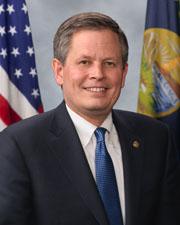
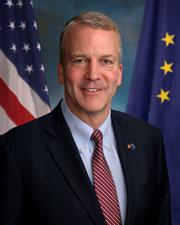


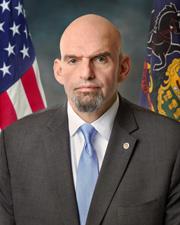
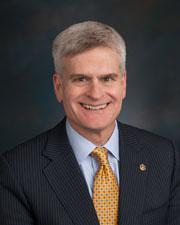
Latest Bills
TRAPS Act
Bill HR 4936September 18, 2026
Apples to Apples Comparison Act of 2025
Bill HR 4093September 18, 2026
American Lending Fairness Act of 2026
Bill HR 7866September 18, 2026
Civil Investigative Demand Reform Act of 2025
Bill HR 1653September 18, 2026
American Reserve Modernization Act of 2026
Bill HR 8957September 18, 2026
Preventive Health Savings Act
Bill HR 4464September 18, 2026
PEARL Act
Bill HR 9327September 18, 2026
Medically Tailored Home-Delivered Meals Program Pilot Act
Bill HR 5439September 18, 2026
To designate the facility of the United States Postal Service located at 117 West Lovett Street in Charlotte, Michigan, as the "Francis C. Flaherty Post Office Building".
Bill HR 9570September 18, 2026
To designate the facility of the United States Postal Service located at 1019 Avenue H in Fort Madison, Iowa, as the "Martin L. Graber Post Office".
Bill HR 4707September 18, 2026