0
0
0
Honoring the legacy of the Harlem Renaissance, a cultural, social, and political movement in American history.
12/15/2023, 3:51 PM
Summary of Bill HRES 94
Bill 118 HRES 94, also known as "Honoring the legacy of the Harlem Renaissance," is a resolution introduced in the US Congress to recognize and celebrate the cultural, social, and political impact of the Harlem Renaissance on American history. The Harlem Renaissance was a period in the 1920s and 1930s when African American artists, writers, musicians, and intellectuals in the Harlem neighborhood of New York City created a vibrant and influential cultural movement.
The resolution acknowledges the contributions of prominent figures such as Langston Hughes, Zora Neale Hurston, Duke Ellington, and Jacob Lawrence, who played key roles in shaping the Harlem Renaissance. It also highlights the importance of the movement in challenging racial stereotypes, promoting African American pride and identity, and fostering a sense of community and solidarity among African Americans.
Furthermore, the resolution calls for increased awareness and education about the Harlem Renaissance in schools and communities across the country. It emphasizes the need to preserve and promote the legacy of the Harlem Renaissance for future generations to appreciate and learn from. Overall, Bill 118 HRES 94 aims to honor and commemorate the rich cultural heritage and historical significance of the Harlem Renaissance, recognizing its enduring impact on American society and its ongoing relevance in the fight for racial equality and social justice.
The resolution acknowledges the contributions of prominent figures such as Langston Hughes, Zora Neale Hurston, Duke Ellington, and Jacob Lawrence, who played key roles in shaping the Harlem Renaissance. It also highlights the importance of the movement in challenging racial stereotypes, promoting African American pride and identity, and fostering a sense of community and solidarity among African Americans.
Furthermore, the resolution calls for increased awareness and education about the Harlem Renaissance in schools and communities across the country. It emphasizes the need to preserve and promote the legacy of the Harlem Renaissance for future generations to appreciate and learn from. Overall, Bill 118 HRES 94 aims to honor and commemorate the rich cultural heritage and historical significance of the Harlem Renaissance, recognizing its enduring impact on American society and its ongoing relevance in the fight for racial equality and social justice.
Congressional Summary of HRES 94
This resolution recognizes that the Harlem Renaissance represented a pivotal moment in American history for African Americans and the African diaspora community of intellectuals, artists, performers, writers, poets, and musicians whose works of political discourse and creative expression set a path for self-determination and self-empowerment that is still evident today.
The resolution also celebrates the lasting impact of the Harlem Renaissance on the art, literature, music, discourse, and culture of the United States.
Read the Full Bill
Current Status of Bill HRES 94
Bill HRES 94 is currently in the status of Bill Introduced since February 2, 2023. Bill HRES 94 was introduced during Congress 118 and was introduced to the House on February 2, 2023. Bill HRES 94's most recent activity was Referred to the House Committee on Oversight and Accountability. as of February 2, 2023
Bipartisan Support of Bill HRES 94
Total Number of Sponsors
1Democrat Sponsors
1Republican Sponsors
0Unaffiliated Sponsors
0Total Number of Cosponsors
18Democrat Cosponsors
18Republican Cosponsors
0Unaffiliated Cosponsors
0Policy Area and Potential Impact of Bill HRES 94
Primary Policy Focus
Arts, Culture, ReligionAlternate Title(s) of Bill HRES 94
Honoring the legacy of the Harlem Renaissance, a cultural, social, and political movement in American history.
Honoring the legacy of the Harlem Renaissance, a cultural, social, and political movement in American history.
Comments
Sponsors and Cosponsors of HRES 94
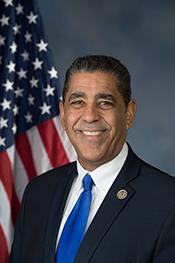
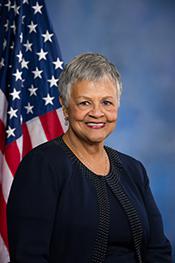


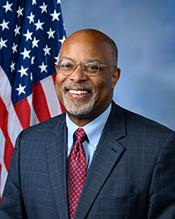
Latest Bills
TRAPS Act
Bill HR 4936September 18, 2026
Apples to Apples Comparison Act of 2025
Bill HR 4093September 18, 2026
American Lending Fairness Act of 2026
Bill HR 7866September 18, 2026
Civil Investigative Demand Reform Act of 2025
Bill HR 1653September 18, 2026
American Reserve Modernization Act of 2026
Bill HR 8957September 18, 2026
Preventive Health Savings Act
Bill HR 4464September 18, 2026
PEARL Act
Bill HR 9327September 18, 2026
Medically Tailored Home-Delivered Meals Program Pilot Act
Bill HR 5439September 18, 2026
To designate the facility of the United States Postal Service located at 117 West Lovett Street in Charlotte, Michigan, as the "Francis C. Flaherty Post Office Building".
Bill HR 9570September 18, 2026
To designate the facility of the United States Postal Service located at 1019 Avenue H in Fort Madison, Iowa, as the "Martin L. Graber Post Office".
Bill HR 4707September 18, 2026