0
0
0
Expressing the sense of the House of Representatives that authorities under section 702 of the Foreign Intelligence Surveillance Act of 1978 should be allowed to expire.
12/15/2023, 3:52 PM
Summary of Bill HRES 577
Bill 118 HRES 577, also known as the Expressing the Sense of the House of Representatives that Authorities under Section 702 of the Foreign Intelligence Surveillance Act of 1978 Should be Allowed to Expire, is a resolution introduced in the US Congress. The resolution calls for the expiration of authorities granted under Section 702 of the Foreign Intelligence Surveillance Act (FISA) of 1978.
Section 702 of FISA allows the US government to collect information on foreign targets located outside the United States for intelligence purposes. This includes the collection of communications such as emails and phone calls. However, there have been concerns raised about the potential for abuse of these authorities, including the collection of information on US citizens without a warrant.
The resolution expresses the opinion of the House of Representatives that these authorities should be allowed to expire. This would mean that the government would no longer have the legal authority to conduct surveillance under Section 702 of FISA. Supporters of the resolution argue that allowing these authorities to expire would help protect the privacy rights of US citizens. It is important to note that this resolution is not a binding piece of legislation, but rather a statement of the House of Representatives' opinion on the matter. The resolution may spark further debate and discussion on the issue of government surveillance and privacy rights.
Section 702 of FISA allows the US government to collect information on foreign targets located outside the United States for intelligence purposes. This includes the collection of communications such as emails and phone calls. However, there have been concerns raised about the potential for abuse of these authorities, including the collection of information on US citizens without a warrant.
The resolution expresses the opinion of the House of Representatives that these authorities should be allowed to expire. This would mean that the government would no longer have the legal authority to conduct surveillance under Section 702 of FISA. Supporters of the resolution argue that allowing these authorities to expire would help protect the privacy rights of US citizens. It is important to note that this resolution is not a binding piece of legislation, but rather a statement of the House of Representatives' opinion on the matter. The resolution may spark further debate and discussion on the issue of government surveillance and privacy rights.
Read the Full Bill
Current Status of Bill HRES 577
Bill HRES 577 is currently in the status of Bill Introduced since July 11, 2023. Bill HRES 577 was introduced during Congress 118 and was introduced to the House on July 11, 2023. Bill HRES 577's most recent activity was Referred to the Committee on the Judiciary, and in addition to the Committee on Intelligence (Permanent Select), for a period to be subsequently determined by the Speaker, in each case for consideration of such provisions as fall within the jurisdiction of the committee concerned. as of July 11, 2023
Bipartisan Support of Bill HRES 577
Total Number of Sponsors
1Democrat Sponsors
0Republican Sponsors
1Unaffiliated Sponsors
0Total Number of Cosponsors
14Democrat Cosponsors
0Republican Cosponsors
14Unaffiliated Cosponsors
0Policy Area and Potential Impact of Bill HRES 577
Primary Policy Focus
Armed Forces and National SecurityAlternate Title(s) of Bill HRES 577
Expressing the sense of the House of Representatives that authorities under section 702 of the Foreign Intelligence Surveillance Act of 1978 should be allowed to expire.
Expressing the sense of the House of Representatives that authorities under section 702 of the Foreign Intelligence Surveillance Act of 1978 should be allowed to expire.
Comments
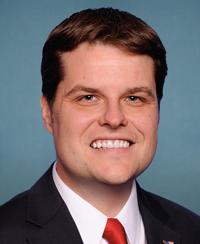
Sponsors and Cosponsors of HRES 577





Latest Bills
TRAPS Act
Bill HR 4936September 18, 2026
Apples to Apples Comparison Act of 2025
Bill HR 4093September 18, 2026
American Lending Fairness Act of 2026
Bill HR 7866September 18, 2026
Civil Investigative Demand Reform Act of 2025
Bill HR 1653September 18, 2026
American Reserve Modernization Act of 2026
Bill HR 8957September 18, 2026
Preventive Health Savings Act
Bill HR 4464September 18, 2026
PEARL Act
Bill HR 9327September 18, 2026
Medically Tailored Home-Delivered Meals Program Pilot Act
Bill HR 5439September 18, 2026
To designate the facility of the United States Postal Service located at 117 West Lovett Street in Charlotte, Michigan, as the "Francis C. Flaherty Post Office Building".
Bill HR 9570September 18, 2026
To designate the facility of the United States Postal Service located at 1019 Avenue H in Fort Madison, Iowa, as the "Martin L. Graber Post Office".
Bill HR 4707September 18, 2026