0
0
0
No Fees for EFTs Act
12/19/2024, 9:06 AM
Summary of Bill HR 6487
Bill 118 hr 6487, also known as the No Fees for EFTs Act, is a piece of legislation currently being considered by the US Congress. The bill aims to prohibit financial institutions from charging fees for electronic fund transfers (EFTs) made by consumers.
If passed, this bill would have a significant impact on consumers who frequently use EFTs to make payments or transfer funds. By eliminating fees for these transactions, the bill seeks to make electronic banking more accessible and affordable for all Americans.
Proponents of the No Fees for EFTs Act argue that charging fees for electronic fund transfers disproportionately affects low-income individuals who may not have access to traditional banking services. By removing these fees, the bill aims to promote financial inclusion and reduce the financial burden on those who rely on EFTs for their day-to-day transactions. Opponents of the bill, however, may argue that financial institutions rely on fees for electronic fund transfers to cover the costs associated with processing these transactions. They may also argue that eliminating these fees could lead to increased costs for other banking services or reduced access to certain financial products. Overall, the No Fees for EFTs Act is a contentious piece of legislation that raises important questions about the role of fees in the banking industry and the impact of these fees on consumers. As the bill continues to be debated in Congress, it will be important to consider the potential benefits and drawbacks of eliminating fees for electronic fund transfers.
If passed, this bill would have a significant impact on consumers who frequently use EFTs to make payments or transfer funds. By eliminating fees for these transactions, the bill seeks to make electronic banking more accessible and affordable for all Americans.
Proponents of the No Fees for EFTs Act argue that charging fees for electronic fund transfers disproportionately affects low-income individuals who may not have access to traditional banking services. By removing these fees, the bill aims to promote financial inclusion and reduce the financial burden on those who rely on EFTs for their day-to-day transactions. Opponents of the bill, however, may argue that financial institutions rely on fees for electronic fund transfers to cover the costs associated with processing these transactions. They may also argue that eliminating these fees could lead to increased costs for other banking services or reduced access to certain financial products. Overall, the No Fees for EFTs Act is a contentious piece of legislation that raises important questions about the role of fees in the banking industry and the impact of these fees on consumers. As the bill continues to be debated in Congress, it will be important to consider the potential benefits and drawbacks of eliminating fees for electronic fund transfers.
Read the Full Bill
Current Status of Bill HR 6487
Bill HR 6487 is currently in the status of Bill Introduced since November 28, 2023. Bill HR 6487 was introduced during Congress 118 and was introduced to the House on November 28, 2023. Bill HR 6487's most recent activity was Referred to the Subcommittee on Health. as of December 17, 2024
Bipartisan Support of Bill HR 6487
Total Number of Sponsors
2Democrat Sponsors
0Republican Sponsors
2Unaffiliated Sponsors
0Total Number of Cosponsors
23Democrat Cosponsors
15Republican Cosponsors
8Unaffiliated Cosponsors
0Policy Area and Potential Impact of Bill HR 6487
Primary Policy Focus
HealthPotential Impact Areas
- Computers and information technology
- Health care costs and insurance
Alternate Title(s) of Bill HR 6487
No Fees for EFTs Act
No Fees for EFTs Act
To amend title XI of the Social Security Act to prohibit health plans from imposing fees on health care providers for electronic funds transfers and health care payment and remittance advice transactions, and for other purposes.
Comments
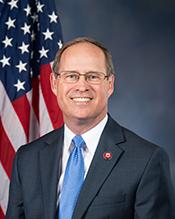
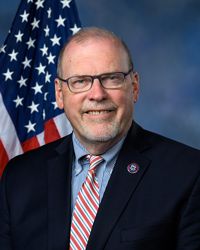
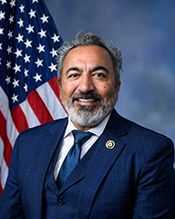
Sponsors and Cosponsors of HR 6487



Latest Bills
TRAPS Act
Bill HR 4936September 18, 2026
Apples to Apples Comparison Act of 2025
Bill HR 4093September 18, 2026
American Lending Fairness Act of 2026
Bill HR 7866September 18, 2026
Civil Investigative Demand Reform Act of 2025
Bill HR 1653September 18, 2026
American Reserve Modernization Act of 2026
Bill HR 8957September 18, 2026
Preventive Health Savings Act
Bill HR 4464September 18, 2026
PEARL Act
Bill HR 9327September 18, 2026
Medically Tailored Home-Delivered Meals Program Pilot Act
Bill HR 5439September 18, 2026
To designate the facility of the United States Postal Service located at 117 West Lovett Street in Charlotte, Michigan, as the "Francis C. Flaherty Post Office Building".
Bill HR 9570September 18, 2026
To designate the facility of the United States Postal Service located at 1019 Avenue H in Fort Madison, Iowa, as the "Martin L. Graber Post Office".
Bill HR 4707September 18, 2026
A bill to amend title XI of the Social Security Act to prohibit health plans from imposing fees on health care providers for electronic funds transfers and health care payment and remittance advice transactions, and for other purposes.
Bill S 3805March 21, 2024