0
0
0
Clean Slate through Consolidation Act
1/22/2024, 7:00 PM
Summary of Bill HR 4591
Bill 118 HR 4591, also known as the Clean Slate through Consolidation Act, is a piece of legislation currently being considered by the US Congress. The main goal of this bill is to streamline and simplify the process for individuals to have certain non-violent criminal records expunged or sealed.
The bill proposes creating a centralized database that would consolidate and automate the expungement process for eligible individuals. This database would allow individuals to submit a single application to have their records cleared, rather than having to navigate multiple different systems and agencies.
Additionally, the Clean Slate through Consolidation Act aims to provide funding for states to update their own record-keeping systems to align with the new centralized database. This would help ensure that the expungement process is efficient and effective nationwide. Overall, supporters of the bill argue that it would help individuals with non-violent criminal records move on with their lives and have better access to employment, housing, and other opportunities. Critics, however, raise concerns about potential privacy and security issues with a centralized database. As of now, the Clean Slate through Consolidation Act is still in the early stages of the legislative process, and it remains to be seen whether it will be passed into law.
The bill proposes creating a centralized database that would consolidate and automate the expungement process for eligible individuals. This database would allow individuals to submit a single application to have their records cleared, rather than having to navigate multiple different systems and agencies.
Additionally, the Clean Slate through Consolidation Act aims to provide funding for states to update their own record-keeping systems to align with the new centralized database. This would help ensure that the expungement process is efficient and effective nationwide. Overall, supporters of the bill argue that it would help individuals with non-violent criminal records move on with their lives and have better access to employment, housing, and other opportunities. Critics, however, raise concerns about potential privacy and security issues with a centralized database. As of now, the Clean Slate through Consolidation Act is still in the early stages of the legislative process, and it remains to be seen whether it will be passed into law.
Congressional Summary of HR 4591
Clean Slate through Consolidation Act
This bill provides for the removal of any adverse credit history related to a defaulted federal student loan from a borrower's credit history once the borrower has obtained a Federal Direct Consolidation Loan discharging the borrower's liability on the defaulted loan.
Read the Full Bill
Current Status of Bill HR 4591
Bill HR 4591 is currently in the status of Bill Introduced since July 12, 2023. Bill HR 4591 was introduced during Congress 118 and was introduced to the House on July 12, 2023. Bill HR 4591's most recent activity was Referred to the House Committee on Education and the Workforce. as of July 12, 2023
Bipartisan Support of Bill HR 4591
Total Number of Sponsors
1Democrat Sponsors
1Republican Sponsors
0Unaffiliated Sponsors
0Total Number of Cosponsors
14Democrat Cosponsors
14Republican Cosponsors
0Unaffiliated Cosponsors
0Policy Area and Potential Impact of Bill HR 4591
Primary Policy Focus
EducationAlternate Title(s) of Bill HR 4591
Clean Slate through Consolidation Act
Clean Slate through Consolidation Act
To amend the Higher Education Act of 1965 to require the removal of the record of default from credit history upon obtaining a Federal Direct Consolidation Loan that discharges the defaulted loan.
Comments
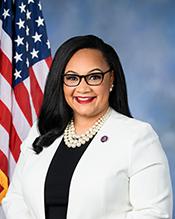
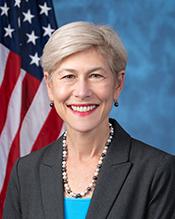
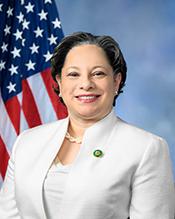
Sponsors and Cosponsors of HR 4591



Latest Bills
TRAPS Act
Bill HR 4936September 18, 2026
Apples to Apples Comparison Act of 2025
Bill HR 4093September 18, 2026
American Lending Fairness Act of 2026
Bill HR 7866September 18, 2026
Civil Investigative Demand Reform Act of 2025
Bill HR 1653September 18, 2026
American Reserve Modernization Act of 2026
Bill HR 8957September 18, 2026
Preventive Health Savings Act
Bill HR 4464September 18, 2026
PEARL Act
Bill HR 9327September 18, 2026
Medically Tailored Home-Delivered Meals Program Pilot Act
Bill HR 5439September 18, 2026
To designate the facility of the United States Postal Service located at 117 West Lovett Street in Charlotte, Michigan, as the "Francis C. Flaherty Post Office Building".
Bill HR 9570September 18, 2026
To designate the facility of the United States Postal Service located at 1019 Avenue H in Fort Madison, Iowa, as the "Martin L. Graber Post Office".
Bill HR 4707September 18, 2026
Student Loan Borrower Bill of Rights
Bill S 3404January 22, 2024