0
0
0
Prohibiting Abortion Industry’s Lucrative Loopholes Act
12/15/2023, 3:53 PM
Summary of Bill HR 416
Bill 118 hr 416, also known as the Prohibiting Abortion Industry’s Lucrative Loopholes Act, is a piece of legislation currently being considered by the US Congress. The bill aims to address what some lawmakers see as loopholes in the abortion industry that allow for profit-making practices.
The main provisions of the bill include prohibiting the sale of fetal tissue for profit, banning the use of federal funds for abortions, and requiring abortion providers to report any violations of the law. Additionally, the bill seeks to increase penalties for those who violate these provisions.
Supporters of the bill argue that it is necessary to protect the dignity of human life and ensure that taxpayer dollars are not being used to fund abortions. They believe that the current regulations surrounding the abortion industry are inadequate and need to be strengthened. Opponents of the bill, on the other hand, argue that it infringes on women's reproductive rights and could limit access to safe and legal abortions. They also question the need for increased regulations on the abortion industry, arguing that existing laws are sufficient to address any concerns. Overall, Bill 118 hr 416 is a controversial piece of legislation that has sparked debate among lawmakers and the public. Its fate in Congress remains uncertain as it continues to be discussed and debated.
The main provisions of the bill include prohibiting the sale of fetal tissue for profit, banning the use of federal funds for abortions, and requiring abortion providers to report any violations of the law. Additionally, the bill seeks to increase penalties for those who violate these provisions.
Supporters of the bill argue that it is necessary to protect the dignity of human life and ensure that taxpayer dollars are not being used to fund abortions. They believe that the current regulations surrounding the abortion industry are inadequate and need to be strengthened. Opponents of the bill, on the other hand, argue that it infringes on women's reproductive rights and could limit access to safe and legal abortions. They also question the need for increased regulations on the abortion industry, arguing that existing laws are sufficient to address any concerns. Overall, Bill 118 hr 416 is a controversial piece of legislation that has sparked debate among lawmakers and the public. Its fate in Congress remains uncertain as it continues to be discussed and debated.
Congressional Summary of HR 416
Prohibiting Abortion Industry's Lucrative Loopholes Act
This bill expands the prohibition on the sale or purchase of human fetal tissue in interstate commerce to include any payments associated with the transportation, implantation, processing, preservation, quality control, or storage of such tissue.
Read the Full Bill
Current Status of Bill HR 416
Bill HR 416 is currently in the status of Bill Introduced since January 20, 2023. Bill HR 416 was introduced during Congress 118 and was introduced to the House on January 20, 2023. Bill HR 416's most recent activity was Referred to the Subcommittee on Health. as of January 27, 2023
Bipartisan Support of Bill HR 416
Total Number of Sponsors
1Democrat Sponsors
0Republican Sponsors
1Unaffiliated Sponsors
0Total Number of Cosponsors
44Democrat Cosponsors
0Republican Cosponsors
44Unaffiliated Cosponsors
0Policy Area and Potential Impact of Bill HR 416
Primary Policy Focus
HealthAlternate Title(s) of Bill HR 416
Prohibiting Abortion Industry’s Lucrative Loopholes Act
Prohibiting Abortion Industry’s Lucrative Loopholes Act
To amend title IV of the Public Health Service Act to prohibit sale or transactions relating to human fetal tissue.
Comments
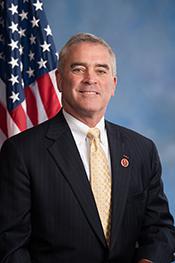
Sponsors and Cosponsors of HR 416





Latest Bills
TRAPS Act
Bill HR 4936September 18, 2026
Apples to Apples Comparison Act of 2025
Bill HR 4093September 18, 2026
American Lending Fairness Act of 2026
Bill HR 7866September 18, 2026
Civil Investigative Demand Reform Act of 2025
Bill HR 1653September 18, 2026
American Reserve Modernization Act of 2026
Bill HR 8957September 18, 2026
Preventive Health Savings Act
Bill HR 4464September 18, 2026
PEARL Act
Bill HR 9327September 18, 2026
Medically Tailored Home-Delivered Meals Program Pilot Act
Bill HR 5439September 18, 2026
To designate the facility of the United States Postal Service located at 117 West Lovett Street in Charlotte, Michigan, as the "Francis C. Flaherty Post Office Building".
Bill HR 9570September 18, 2026
To designate the facility of the United States Postal Service located at 1019 Avenue H in Fort Madison, Iowa, as the "Martin L. Graber Post Office".
Bill HR 4707September 18, 2026