0
0
0
No Mandates Act
12/15/2023, 3:53 PM
Summary of Bill HR 403
Bill 118 hr 403, also known as the No Mandates Act, is a piece of legislation currently being considered by the US Congress. The purpose of this bill is to prohibit the federal government from imposing any mandates on states or local governments without providing funding to cover the costs of compliance.
If passed, the No Mandates Act would require that any new federal regulations or requirements that are imposed on states or local governments must be fully funded by the federal government. This would help to prevent unfunded mandates that can place a financial burden on states and localities.
Supporters of the bill argue that it is important to protect states and local governments from being forced to implement costly regulations without the necessary funding. They believe that this will help to promote fiscal responsibility and prevent unnecessary strain on state and local budgets. Opponents of the bill, however, argue that it could hinder the federal government's ability to enforce important regulations that are necessary for the health and safety of the public. They believe that unfunded mandates are sometimes necessary in order to address pressing issues that require immediate action. Overall, the No Mandates Act is a controversial piece of legislation that raises important questions about the balance of power between the federal government and states and local governments. It will be interesting to see how this bill progresses through the legislative process and what impact it may have on future federal regulations.
If passed, the No Mandates Act would require that any new federal regulations or requirements that are imposed on states or local governments must be fully funded by the federal government. This would help to prevent unfunded mandates that can place a financial burden on states and localities.
Supporters of the bill argue that it is important to protect states and local governments from being forced to implement costly regulations without the necessary funding. They believe that this will help to promote fiscal responsibility and prevent unnecessary strain on state and local budgets. Opponents of the bill, however, argue that it could hinder the federal government's ability to enforce important regulations that are necessary for the health and safety of the public. They believe that unfunded mandates are sometimes necessary in order to address pressing issues that require immediate action. Overall, the No Mandates Act is a controversial piece of legislation that raises important questions about the balance of power between the federal government and states and local governments. It will be interesting to see how this bill progresses through the legislative process and what impact it may have on future federal regulations.
Congressional Summary of HR 403
No Mandates Act
This bill prohibits federal agencies and certain entities that receive federal funding from requiring COVID-19 vaccinations.
Specifically, federal agencies may not issue rules, regulations, or guidance that require an individual to receive a COVID-19 vaccination. The bill also prohibits requiring a COVID-19 vaccination to access federal property and services or congressional grounds and services.
Additionally, an entity that received federal COVID-19 relief funds or receives other federal funds after this bill's enactment may not require a COVID-19 vaccination as a condition of providing any service to an individual.
Read the Full Bill
Current Status of Bill HR 403
Bill HR 403 is currently in the status of Bill Introduced since January 20, 2023. Bill HR 403 was introduced during Congress 118 and was introduced to the House on January 20, 2023. Bill HR 403's most recent activity was Referred to the Subcommittee on Health. as of January 27, 2023
Bipartisan Support of Bill HR 403
Total Number of Sponsors
1Democrat Sponsors
0Republican Sponsors
1Unaffiliated Sponsors
0Total Number of Cosponsors
2Democrat Cosponsors
0Republican Cosponsors
2Unaffiliated Cosponsors
0Policy Area and Potential Impact of Bill HR 403
Primary Policy Focus
HealthAlternate Title(s) of Bill HR 403
No Mandates Act
No Mandates Act
To prohibit COVID-19 vaccination mandates, and for other purposes.
Comments
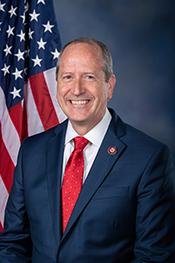
Sponsors and Cosponsors of HR 403

Latest Bills
TRAPS Act
Bill HR 4936September 18, 2026
Apples to Apples Comparison Act of 2025
Bill HR 4093September 18, 2026
American Lending Fairness Act of 2026
Bill HR 7866September 18, 2026
Civil Investigative Demand Reform Act of 2025
Bill HR 1653September 18, 2026
American Reserve Modernization Act of 2026
Bill HR 8957September 18, 2026
Preventive Health Savings Act
Bill HR 4464September 18, 2026
PEARL Act
Bill HR 9327September 18, 2026
Medically Tailored Home-Delivered Meals Program Pilot Act
Bill HR 5439September 18, 2026
To designate the facility of the United States Postal Service located at 117 West Lovett Street in Charlotte, Michigan, as the "Francis C. Flaherty Post Office Building".
Bill HR 9570September 18, 2026
To designate the facility of the United States Postal Service located at 1019 Avenue H in Fort Madison, Iowa, as the "Martin L. Graber Post Office".
Bill HR 4707September 18, 2026