0
0
0
Time of Service Act
12/15/2023, 3:53 PM
Summary of Bill HR 395
Bill 118 hr 395, also known as the Time of Service Act, is a piece of legislation currently being considered by the US Congress. The main purpose of this bill is to address the issue of wait times for veterans seeking medical care through the Department of Veterans Affairs (VA).
The Time of Service Act aims to improve the efficiency and effectiveness of the VA by requiring the department to provide veterans with timely access to medical appointments. Specifically, the bill sets a maximum wait time of 30 days for veterans seeking primary or mental health care, and 60 days for specialty care.
In order to meet these wait time requirements, the Time of Service Act also includes provisions to increase the number of medical professionals within the VA system. This includes recruiting and retaining qualified healthcare providers, as well as expanding telehealth services to reach veterans in rural or underserved areas. Additionally, the bill includes measures to improve accountability within the VA by requiring the department to regularly report on wait times and take action to address any delays. It also establishes a process for veterans to file complaints if they experience long wait times or other issues with their medical care. Overall, the Time of Service Act is aimed at ensuring that veterans receive the timely and high-quality medical care they deserve. By setting clear standards for wait times and increasing resources within the VA, this bill seeks to improve the overall healthcare experience for veterans across the country.
The Time of Service Act aims to improve the efficiency and effectiveness of the VA by requiring the department to provide veterans with timely access to medical appointments. Specifically, the bill sets a maximum wait time of 30 days for veterans seeking primary or mental health care, and 60 days for specialty care.
In order to meet these wait time requirements, the Time of Service Act also includes provisions to increase the number of medical professionals within the VA system. This includes recruiting and retaining qualified healthcare providers, as well as expanding telehealth services to reach veterans in rural or underserved areas. Additionally, the bill includes measures to improve accountability within the VA by requiring the department to regularly report on wait times and take action to address any delays. It also establishes a process for veterans to file complaints if they experience long wait times or other issues with their medical care. Overall, the Time of Service Act is aimed at ensuring that veterans receive the timely and high-quality medical care they deserve. By setting clear standards for wait times and increasing resources within the VA, this bill seeks to improve the overall healthcare experience for veterans across the country.
Congressional Summary of HR 395
Time of Service Act
This bill adjusts the time limitation on the use of a veteran's educational assistance entitlement under the Post-9/11 GI Bill. Specifically, veterans' entitlements shall not expire for those who were discharged or released from active duty on or after January 1, 2001.
Read the Full Bill
Current Status of Bill HR 395
Bill HR 395 is currently in the status of Bill Introduced since January 17, 2023. Bill HR 395 was introduced during Congress 118 and was introduced to the House on January 17, 2023. Bill HR 395's most recent activity was Referred to the Subcommittee on Economic Opportunity. as of February 8, 2023
Bipartisan Support of Bill HR 395
Total Number of Sponsors
1Democrat Sponsors
0Republican Sponsors
1Unaffiliated Sponsors
0Total Number of Cosponsors
2Democrat Cosponsors
0Republican Cosponsors
2Unaffiliated Cosponsors
0Policy Area and Potential Impact of Bill HR 395
Primary Policy Focus
Armed Forces and National SecurityPotential Impact Areas
- Higher education
- Student aid and college costs
- Veterans' education, employment, rehabilitation
Alternate Title(s) of Bill HR 395
Time of Service Act
Time of Service Act
To amend title 38, United States Code, to eliminate the time limitation for the use of entitlement by certain veterans under the Post-9/11 Educational Assistance Program of the Department of Veterans Affairs.
Comments
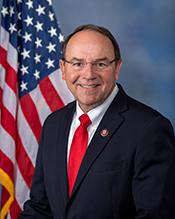
Sponsors and Cosponsors of HR 395

Latest Bills
TRAPS Act
Bill HR 4936September 18, 2026
Apples to Apples Comparison Act of 2025
Bill HR 4093September 18, 2026
American Lending Fairness Act of 2026
Bill HR 7866September 18, 2026
Civil Investigative Demand Reform Act of 2025
Bill HR 1653September 18, 2026
American Reserve Modernization Act of 2026
Bill HR 8957September 18, 2026
Preventive Health Savings Act
Bill HR 4464September 18, 2026
PEARL Act
Bill HR 9327September 18, 2026
Medically Tailored Home-Delivered Meals Program Pilot Act
Bill HR 5439September 18, 2026
To designate the facility of the United States Postal Service located at 117 West Lovett Street in Charlotte, Michigan, as the "Francis C. Flaherty Post Office Building".
Bill HR 9570September 18, 2026
To designate the facility of the United States Postal Service located at 1019 Avenue H in Fort Madison, Iowa, as the "Martin L. Graber Post Office".
Bill HR 4707September 18, 2026