0
0
0
District of Columbia Prosecutor Home Rule Act
12/15/2023, 3:53 PM
Summary of Bill HR 387
Bill 118 hr 387, also known as the District of Columbia Prosecutor Home Rule Act, is a piece of legislation that aims to grant the District of Columbia more autonomy in selecting its own prosecutor. Currently, the US President appoints the US Attorney for the District of Columbia, which has led to criticism that the appointment process is not reflective of the will of the local residents.
The bill proposes that the District of Columbia be allowed to select its own prosecutor through a local election process, similar to how other states and territories select their own attorneys general. This would give the residents of the District more control over who represents them in legal matters and ensure that the prosecutor is accountable to the local community.
Supporters of the bill argue that it is a necessary step towards granting the District of Columbia full autonomy and self-governance. They believe that allowing the District to select its own prosecutor will lead to a more responsive and accountable legal system that better serves the needs of the local residents. Opponents of the bill, however, raise concerns about the potential for political interference in the selection process and the impact it could have on the impartiality of the prosecutor's office. They argue that the current system, while imperfect, provides a level of oversight and accountability that could be compromised by a purely local selection process. Overall, the District of Columbia Prosecutor Home Rule Act is a contentious piece of legislation that raises important questions about the balance of power between the federal government and local jurisdictions. Its passage would represent a significant shift in the relationship between the District of Columbia and the federal government, with potential implications for the legal system and governance of the nation's capital.
The bill proposes that the District of Columbia be allowed to select its own prosecutor through a local election process, similar to how other states and territories select their own attorneys general. This would give the residents of the District more control over who represents them in legal matters and ensure that the prosecutor is accountable to the local community.
Supporters of the bill argue that it is a necessary step towards granting the District of Columbia full autonomy and self-governance. They believe that allowing the District to select its own prosecutor will lead to a more responsive and accountable legal system that better serves the needs of the local residents. Opponents of the bill, however, raise concerns about the potential for political interference in the selection process and the impact it could have on the impartiality of the prosecutor's office. They argue that the current system, while imperfect, provides a level of oversight and accountability that could be compromised by a purely local selection process. Overall, the District of Columbia Prosecutor Home Rule Act is a contentious piece of legislation that raises important questions about the balance of power between the federal government and local jurisdictions. Its passage would represent a significant shift in the relationship between the District of Columbia and the federal government, with potential implications for the legal system and governance of the nation's capital.
Congressional Summary of HR 387
District of Columbia Prosecutor Home Rule Act
This bill shifts the responsibility for prosecuting violations of the laws, ordinances, and regulations of the District of Columbia (DC) to a local prosecutor's office. Currently, the responsibility for prosecuting such violations is shared between DC and the federal government.
Read the Full Bill
Current Status of Bill HR 387
Bill HR 387 is currently in the status of Bill Introduced since January 17, 2023. Bill HR 387 was introduced during Congress 118 and was introduced to the House on January 17, 2023. Bill HR 387's most recent activity was Referred to the House Committee on Oversight and Accountability. as of January 17, 2023
Bipartisan Support of Bill HR 387
Total Number of Sponsors
1Democrat Sponsors
1Republican Sponsors
0Unaffiliated Sponsors
0Total Number of Cosponsors
0Democrat Cosponsors
0Republican Cosponsors
0Unaffiliated Cosponsors
0Policy Area and Potential Impact of Bill HR 387
Primary Policy Focus
Government Operations and PoliticsPotential Impact Areas
- Congressional oversight
- Criminal investigation, prosecution, interrogation
- Criminal procedure and sentencing
- District of Columbia
- Government employee pay, benefits, personnel management
- Intergovernmental relations
- Law enforcement administration and funding
- Legislative rules and procedure
- State and local government operations
Alternate Title(s) of Bill HR 387
District of Columbia Prosecutor Home Rule Act
District of Columbia Prosecutor Home Rule Act
To assign the responsibility for conducting prosecutions for violations of the laws of the District of Columbia to the head of a local prosecutor's office designated under local law of the District of Columbia.
Comments
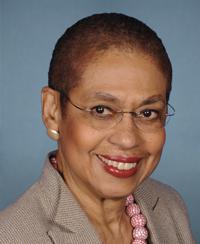
Sponsors and Cosponsors of HR 387
Latest Bills
TRAPS Act
Bill HR 4936September 18, 2026
Apples to Apples Comparison Act of 2025
Bill HR 4093September 18, 2026
American Lending Fairness Act of 2026
Bill HR 7866September 18, 2026
Civil Investigative Demand Reform Act of 2025
Bill HR 1653September 18, 2026
American Reserve Modernization Act of 2026
Bill HR 8957September 18, 2026
Preventive Health Savings Act
Bill HR 4464September 18, 2026
PEARL Act
Bill HR 9327September 18, 2026
Medically Tailored Home-Delivered Meals Program Pilot Act
Bill HR 5439September 18, 2026
To designate the facility of the United States Postal Service located at 117 West Lovett Street in Charlotte, Michigan, as the "Francis C. Flaherty Post Office Building".
Bill HR 9570September 18, 2026
To designate the facility of the United States Postal Service located at 1019 Avenue H in Fort Madison, Iowa, as the "Martin L. Graber Post Office".
Bill HR 4707September 18, 2026