0
0
0
No Taxpayer Funding for the World Health Organization Act
12/15/2023, 3:53 PM
Summary of Bill HR 343
Bill 118 hr 343, also known as the No Taxpayer Funding for the World Health Organization Act, is a piece of legislation introduced in the US Congress. The main purpose of this bill is to prohibit the use of federal funds to support the World Health Organization (WHO).
The bill states that the United States should not provide any financial assistance to the WHO due to concerns about the organization's handling of the COVID-19 pandemic. It argues that the WHO has not been transparent in its communication and has not effectively addressed the spread of the virus.
Supporters of the bill believe that the US should not be funding an organization that they feel has not fulfilled its responsibilities in protecting global health. They argue that taxpayer dollars should not be used to support an organization that they believe has failed to adequately respond to the pandemic. Opponents of the bill argue that cutting funding to the WHO could have negative consequences for global health efforts. They believe that the WHO plays a crucial role in coordinating international responses to health crises and that cutting funding could hinder these efforts. Overall, the No Taxpayer Funding for the World Health Organization Act is a controversial piece of legislation that raises questions about the US government's role in supporting global health organizations. It is currently being debated in Congress, and its outcome remains uncertain.
The bill states that the United States should not provide any financial assistance to the WHO due to concerns about the organization's handling of the COVID-19 pandemic. It argues that the WHO has not been transparent in its communication and has not effectively addressed the spread of the virus.
Supporters of the bill believe that the US should not be funding an organization that they feel has not fulfilled its responsibilities in protecting global health. They argue that taxpayer dollars should not be used to support an organization that they believe has failed to adequately respond to the pandemic. Opponents of the bill argue that cutting funding to the WHO could have negative consequences for global health efforts. They believe that the WHO plays a crucial role in coordinating international responses to health crises and that cutting funding could hinder these efforts. Overall, the No Taxpayer Funding for the World Health Organization Act is a controversial piece of legislation that raises questions about the US government's role in supporting global health organizations. It is currently being debated in Congress, and its outcome remains uncertain.
Congressional Summary of HR 343
No Taxpayer Funding for the World Health Organization Act
This bill prohibits the United States from providing any assessed or voluntary contributions to the World Health Organization.
Read the Full Bill
Current Status of Bill HR 343
Bill HR 343 is currently in the status of Bill Introduced since January 12, 2023. Bill HR 343 was introduced during Congress 118 and was introduced to the House on January 12, 2023. Bill HR 343's most recent activity was Referred to the House Committee on Foreign Affairs. as of January 12, 2023
Bipartisan Support of Bill HR 343
Total Number of Sponsors
1Democrat Sponsors
0Republican Sponsors
1Unaffiliated Sponsors
0Total Number of Cosponsors
86Democrat Cosponsors
0Republican Cosponsors
86Unaffiliated Cosponsors
0Policy Area and Potential Impact of Bill HR 343
Primary Policy Focus
International AffairsPotential Impact Areas
- Diplomacy, foreign officials, Americans abroad
- Foreign aid and international relief
- International organizations and cooperation
- United Nations
- World health
Alternate Title(s) of Bill HR 343
No Taxpayer Funding for the World Health Organization Act
No Taxpayer Funding for the World Health Organization Act
To prohibit United States assessed and voluntary contributions to the World Health Organization.
Comments
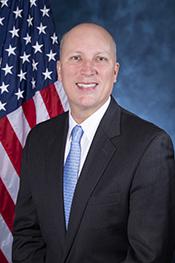
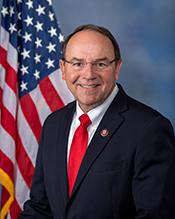
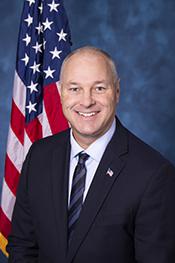
Sponsors and Cosponsors of HR 343



Latest Bills
TRAPS Act
Bill HR 4936September 18, 2026
Apples to Apples Comparison Act of 2025
Bill HR 4093September 18, 2026
American Lending Fairness Act of 2026
Bill HR 7866September 18, 2026
Civil Investigative Demand Reform Act of 2025
Bill HR 1653September 18, 2026
American Reserve Modernization Act of 2026
Bill HR 8957September 18, 2026
Preventive Health Savings Act
Bill HR 4464September 18, 2026
PEARL Act
Bill HR 9327September 18, 2026
Medically Tailored Home-Delivered Meals Program Pilot Act
Bill HR 5439September 18, 2026
To designate the facility of the United States Postal Service located at 117 West Lovett Street in Charlotte, Michigan, as the "Francis C. Flaherty Post Office Building".
Bill HR 9570September 18, 2026
To designate the facility of the United States Postal Service located at 1019 Avenue H in Fort Madison, Iowa, as the "Martin L. Graber Post Office".
Bill HR 4707September 18, 2026