0
0
0
COMFORT Act
12/15/2023, 3:58 PM
Summary of Bill HR 3267
The COMFORT Act, also known as Bill 118 hr 3267, is a piece of legislation currently being considered by the US Congress. The purpose of this bill is to improve the quality of care provided to patients receiving hospice services.
The main provisions of the COMFORT Act include requiring hospice programs to provide patients with a written notice of their rights and responsibilities, as well as information on how to file a complaint if they feel their rights have been violated. The bill also aims to improve communication between hospice providers and patients by requiring regular updates on the patient's condition and treatment plan.
Additionally, the COMFORT Act seeks to enhance the training and education of hospice providers to ensure they are equipped to provide high-quality care to patients. This includes training on pain management, symptom control, and end-of-life care. Overall, the COMFORT Act is designed to promote transparency, communication, and quality care in hospice settings. It aims to empower patients and their families to make informed decisions about their care and ensure that they receive the support they need during a difficult time.
The main provisions of the COMFORT Act include requiring hospice programs to provide patients with a written notice of their rights and responsibilities, as well as information on how to file a complaint if they feel their rights have been violated. The bill also aims to improve communication between hospice providers and patients by requiring regular updates on the patient's condition and treatment plan.
Additionally, the COMFORT Act seeks to enhance the training and education of hospice providers to ensure they are equipped to provide high-quality care to patients. This includes training on pain management, symptom control, and end-of-life care. Overall, the COMFORT Act is designed to promote transparency, communication, and quality care in hospice settings. It aims to empower patients and their families to make informed decisions about their care and ensure that they receive the support they need during a difficult time.
Congressional Summary of HR 3267
Comforting Our Military Families through On-base or Remote Treatment Act or the COMFORT Act
This bill authorizes mental health professionals to provide nonmedical counseling services to military families regardless of where the provider or recipient is located, so long as the provision of services is (1) in the United States or a U.S. territory or possession, and (2) within the scope of the authorized duties of the provider.
For purposes of the bill, mental health professionals include individuals who are licensed or certified mental health providers and are members of the Armed Forces, civilian Department of Defense (DOD) employees, or DOD contractors.
Read the Full Bill
Current Status of Bill HR 3267
Bill HR 3267 is currently in the status of Bill Introduced since May 11, 2023. Bill HR 3267 was introduced during Congress 118 and was introduced to the House on May 11, 2023. Bill HR 3267's most recent activity was Referred to the House Committee on Armed Services. as of May 11, 2023
Bipartisan Support of Bill HR 3267
Total Number of Sponsors
1Democrat Sponsors
1Republican Sponsors
0Unaffiliated Sponsors
0Total Number of Cosponsors
2Democrat Cosponsors
0Republican Cosponsors
2Unaffiliated Cosponsors
0Policy Area and Potential Impact of Bill HR 3267
Primary Policy Focus
Armed Forces and National SecurityAlternate Title(s) of Bill HR 3267
COMFORT Act
COMFORT Act
Comforting Our Military Families through On-base or Remote Treatment Act
To authorize the provision of non-medical counseling services to a member of the Armed Forces, or a dependent of such member, by a mental health professional, without regard to the location of the provider or recipient of such services.
Comments
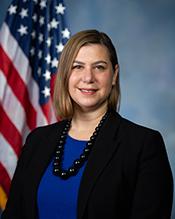
Sponsors and Cosponsors of HR 3267

Latest Bills
TRAPS Act
Bill HR 4936September 18, 2026
Apples to Apples Comparison Act of 2025
Bill HR 4093September 18, 2026
American Lending Fairness Act of 2026
Bill HR 7866September 18, 2026
Civil Investigative Demand Reform Act of 2025
Bill HR 1653September 18, 2026
American Reserve Modernization Act of 2026
Bill HR 8957September 18, 2026
Preventive Health Savings Act
Bill HR 4464September 18, 2026
PEARL Act
Bill HR 9327September 18, 2026
Medically Tailored Home-Delivered Meals Program Pilot Act
Bill HR 5439September 18, 2026
To designate the facility of the United States Postal Service located at 117 West Lovett Street in Charlotte, Michigan, as the "Francis C. Flaherty Post Office Building".
Bill HR 9570September 18, 2026
To designate the facility of the United States Postal Service located at 1019 Avenue H in Fort Madison, Iowa, as the "Martin L. Graber Post Office".
Bill HR 4707September 18, 2026
COMFORT Act
Bill S 456March 12, 2024
National Defense Authorization Act for Fiscal Year 2024
Bill HR 2670March 13, 2024