0
0
0
Providing for congressional disapproval under chapter 8 of title 5, United States Code, of the rule submitted by the Department of the Treasury relating to "Clean Vehicle Credits Under Sections 25E and 30D; Transfer of Credits; Critical Minerals and Battery Components; Foreign Entities of Concern".
8/9/2024, 8:26 AM
Summary of Bill HJRES 148
Bill 118 hjres 148, also known as the "Providing for congressional disapproval under chapter 8 of title 5, United States Code, of the rule submitted by the Department of the Treasury relating to 'Clean Vehicle Credits Under Sections 25E and 30D; Transfer of Credits; Critical Minerals and Battery Components; Foreign Entities of Concern'", is a piece of legislation that aims to challenge a rule proposed by the Department of the Treasury.
The rule in question pertains to various aspects of clean vehicle credits, including sections 25E and 30D, as well as the transfer of credits, critical minerals and battery components, and foreign entities of concern. The Department of the Treasury's rule likely outlines specific guidelines and regulations related to these topics.
The purpose of Bill 118 hjres 148 is to express congressional disapproval of the Department of the Treasury's rule under chapter 8 of title 5, United States Code. This means that Congress is seeking to reject or overturn the rule proposed by the Department of the Treasury. It is important to note that this summary is based on factual information and does not take a partisan stance on the legislation. The goal is to provide a clear and concise overview of Bill 118 hjres 148 for readers at a 10th grade reading level.
The rule in question pertains to various aspects of clean vehicle credits, including sections 25E and 30D, as well as the transfer of credits, critical minerals and battery components, and foreign entities of concern. The Department of the Treasury's rule likely outlines specific guidelines and regulations related to these topics.
The purpose of Bill 118 hjres 148 is to express congressional disapproval of the Department of the Treasury's rule under chapter 8 of title 5, United States Code. This means that Congress is seeking to reject or overturn the rule proposed by the Department of the Treasury. It is important to note that this summary is based on factual information and does not take a partisan stance on the legislation. The goal is to provide a clear and concise overview of Bill 118 hjres 148 for readers at a 10th grade reading level.
Congressional Summary of HJRES 148
This joint resolution nullifies the rule titled Clean Vehicle Credits Under Sections 25E and 30D; Transfer of Credits; Critical Minerals and Battery Components; Foreign Entities of Concern, which was issued by the Internal Revenue Service on May 6, 2024. The rule provides guidance on the transfer of any new clean vehicle tax credit or previously owned clean vehicle tax credit amounts to dealers that are eligible to receive advance payments of such tax credits. The rule also establishes the requirements for determining if the battery components and applicable minerals contained in a vehicle battery comply with foreign entity of concern restrictions.
Read the Full Bill
Current Status of Bill HJRES 148
Bill HJRES 148 is currently in the status of Bill Introduced since May 16, 2024. Bill HJRES 148 was introduced during Congress 118 and was introduced to the House on May 16, 2024. Bill HJRES 148's most recent activity was Placed on the Union Calendar, Calendar No. 495. as of July 18, 2024
Bipartisan Support of Bill HJRES 148
Total Number of Sponsors
1Democrat Sponsors
0Republican Sponsors
1Unaffiliated Sponsors
0Total Number of Cosponsors
30Democrat Cosponsors
2Republican Cosponsors
28Unaffiliated Cosponsors
0Policy Area and Potential Impact of Bill HJRES 148
Primary Policy Focus
Finance and Financial SectorAlternate Title(s) of Bill HJRES 148
Providing for congressional disapproval under chapter 8 of title 5, United States Code, of the rule submitted by the Department of the Treasury relating to "Clean Vehicle Credits Under Sections 25E and 30D; Transfer of Credits; Critical Minerals and Battery Components; Foreign Entities of Concern".
Providing for congressional disapproval under chapter 8 of title 5, United States Code, of the rule submitted by the Department of the Treasury relating to "Clean Vehicle Credits Under Sections 25E and 30D; Transfer of Credits; Critical Minerals and Battery Components; Foreign Entities of Concern".
Comments
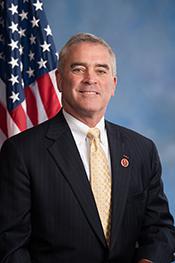
Sponsors and Cosponsors of HJRES 148





Latest Bills
TRAPS Act
Bill HR 4936September 18, 2026
Apples to Apples Comparison Act of 2025
Bill HR 4093September 18, 2026
American Lending Fairness Act of 2026
Bill HR 7866September 18, 2026
Civil Investigative Demand Reform Act of 2025
Bill HR 1653September 18, 2026
American Reserve Modernization Act of 2026
Bill HR 8957September 18, 2026
Preventive Health Savings Act
Bill HR 4464September 18, 2026
PEARL Act
Bill HR 9327September 18, 2026
Medically Tailored Home-Delivered Meals Program Pilot Act
Bill HR 5439September 18, 2026
To designate the facility of the United States Postal Service located at 117 West Lovett Street in Charlotte, Michigan, as the "Francis C. Flaherty Post Office Building".
Bill HR 9570September 18, 2026
To designate the facility of the United States Postal Service located at 1019 Avenue H in Fort Madison, Iowa, as the "Martin L. Graber Post Office".
Bill HR 4707September 18, 2026
A joint resolution providing for congressional disapproval under chapter 8 of title 5, United States Code, of the rule submitted by the Department of the Treasury relating to "Clean Vehicle Credits Under Sections 25E and 30D; Transfer of Credits; Critical Minerals and Battery Components; Foreign Entities of Concern".
Bill SJRES 87May 31, 2024
Providing for congressional disapproval under chapter 8 of title 5, United States Code, of the rule submitted by the Department of the Treasury relating to "Clean Vehicle Credits Under Sections 25E and 30D; Transfer of Credits; Critical Minerals and Battery Components; Foreign Entities of Concern".
Bill HJRES 179July 12, 2024