0
0
0
Investigate Russian War Crimes Act
12/30/2022, 12:04 AM
Summary of Bill HR 7745
Bill 117 HR 7745, also known as the Investigate Russian War Crimes Act, was introduced in the US Congress with the aim of authorizing the investigation of alleged war crimes committed by Russian forces in Ukraine. The bill seeks to hold those responsible for these crimes accountable and ensure justice for the victims.
The bill outlines the establishment of a special commission to investigate and document the alleged war crimes, including the targeting of civilians, hospitals, and other non-military targets. The commission would be tasked with gathering evidence, conducting interviews with witnesses, and compiling a report on their findings.
If passed, the bill would also authorize the imposition of sanctions on individuals and entities found to be responsible for these war crimes. These sanctions could include asset freezes, travel bans, and other punitive measures. The Investigate Russian War Crimes Act has garnered bipartisan support in Congress, with lawmakers from both parties expressing concern over the reported atrocities committed by Russian forces in Ukraine. Supporters of the bill argue that holding those responsible for these crimes accountable is essential for upholding international law and preventing future atrocities. Opponents of the bill have raised concerns about the potential impact of sanctions on US-Russian relations and the broader geopolitical landscape. Some have also questioned the effectiveness of such measures in deterring future war crimes. Overall, the Investigate Russian War Crimes Act represents a bipartisan effort to address the alleged atrocities committed by Russian forces in Ukraine and ensure justice for the victims. The bill is currently under consideration in Congress, where it will undergo further debate and scrutiny before potentially being passed into law.
The bill outlines the establishment of a special commission to investigate and document the alleged war crimes, including the targeting of civilians, hospitals, and other non-military targets. The commission would be tasked with gathering evidence, conducting interviews with witnesses, and compiling a report on their findings.
If passed, the bill would also authorize the imposition of sanctions on individuals and entities found to be responsible for these war crimes. These sanctions could include asset freezes, travel bans, and other punitive measures. The Investigate Russian War Crimes Act has garnered bipartisan support in Congress, with lawmakers from both parties expressing concern over the reported atrocities committed by Russian forces in Ukraine. Supporters of the bill argue that holding those responsible for these crimes accountable is essential for upholding international law and preventing future atrocities. Opponents of the bill have raised concerns about the potential impact of sanctions on US-Russian relations and the broader geopolitical landscape. Some have also questioned the effectiveness of such measures in deterring future war crimes. Overall, the Investigate Russian War Crimes Act represents a bipartisan effort to address the alleged atrocities committed by Russian forces in Ukraine and ensure justice for the victims. The bill is currently under consideration in Congress, where it will undergo further debate and scrutiny before potentially being passed into law.
Congressional Summary of HR 7745
Investigate Russian War Crimes Act
This bill allows the United States to provide funding for the International Criminal Court (ICC) if the funding is solely for the ICC's investigation into the situation in Ukraine. Specifically, this bill allows funding for such a purpose as an exception to an existing prohibition against making federal funds available to the ICC unless the United States becomes a party to the ICC pursuant to a treaty.
Read the Full Bill
Current Status of Bill HR 7745
Bill HR 7745 is currently in the status of Bill Introduced since May 12, 2022. Bill HR 7745 was introduced during Congress 117 and was introduced to the House on May 12, 2022. Bill HR 7745's most recent activity was Referred to the House Committee on Foreign Affairs. as of May 12, 2022
Bipartisan Support of Bill HR 7745
Total Number of Sponsors
1Democrat Sponsors
1Republican Sponsors
0Unaffiliated Sponsors
0Total Number of Cosponsors
12Democrat Cosponsors
8Republican Cosponsors
4Unaffiliated Cosponsors
0Policy Area and Potential Impact of Bill HR 7745
Primary Policy Focus
International AffairsPotential Impact Areas
- Conflicts and wars
- Congressional oversight
- Criminal investigation, prosecution, interrogation
- Diplomacy, foreign officials, Americans abroad
- Europe
- Evidence and witnesses
- International law and treaties
- International organizations and cooperation
- Jurisdiction and venue
- Military operations and strategy
- Russia
- Ukraine
- War crimes, genocide, crimes against humanity
Alternate Title(s) of Bill HR 7745
Investigate Russian War Crimes Act
Investigate Russian War Crimes Act
To support and allow funding for the investigation of the International Criminal Court with respect to the Situation in Ukraine, and for other purposes.
Comments
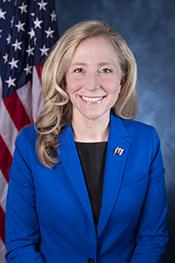
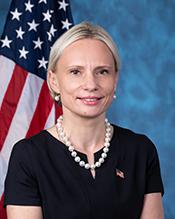
Sponsors and Cosponsors of HR 7745



Latest Bills
TRAPS Act
Bill HR 4936September 18, 2026
Apples to Apples Comparison Act of 2025
Bill HR 4093September 18, 2026
American Lending Fairness Act of 2026
Bill HR 7866September 18, 2026
Civil Investigative Demand Reform Act of 2025
Bill HR 1653September 18, 2026
American Reserve Modernization Act of 2026
Bill HR 8957September 18, 2026
Preventive Health Savings Act
Bill HR 4464September 18, 2026
PEARL Act
Bill HR 9327September 18, 2026
Medically Tailored Home-Delivered Meals Program Pilot Act
Bill HR 5439September 18, 2026
To designate the facility of the United States Postal Service located at 117 West Lovett Street in Charlotte, Michigan, as the "Francis C. Flaherty Post Office Building".
Bill HR 9570September 18, 2026
To designate the facility of the United States Postal Service located at 1019 Avenue H in Fort Madison, Iowa, as the "Martin L. Graber Post Office".
Bill HR 4707September 18, 2026