0
0
0
RAPID Act
12/31/2022, 5:06 AM
Summary of Bill HR 4541
The RAPID Act, also known as Bill 117 hr 4541, is a piece of legislation introduced in the US Congress that aims to streamline the permitting process for infrastructure projects. The bill seeks to reduce the amount of time it takes for projects to receive approval by limiting the number of agencies involved in the permitting process and setting deadlines for agencies to make decisions.
The RAPID Act would establish a lead agency for each project, which would be responsible for coordinating with other agencies and ensuring that the permitting process moves forward in a timely manner. The bill also includes provisions to improve transparency and accountability in the permitting process, such as requiring agencies to publicly disclose information about their decisions and providing opportunities for public input.
Supporters of the RAPID Act argue that streamlining the permitting process will help to expedite the construction of much-needed infrastructure projects, such as roads, bridges, and pipelines. They believe that reducing regulatory burdens will lead to faster project completion and lower costs for taxpayers. Critics of the bill, however, raise concerns about potential environmental and public health impacts. They argue that streamlining the permitting process could lead to inadequate review of projects and increased risks to communities and ecosystems. Critics also worry that limiting the number of agencies involved in the permitting process could result in important considerations being overlooked. Overall, the RAPID Act is a controversial piece of legislation that has sparked debate among lawmakers, industry stakeholders, and environmental advocates. Its fate in Congress remains uncertain as stakeholders continue to weigh the potential benefits and drawbacks of streamlining the permitting process for infrastructure projects.
The RAPID Act would establish a lead agency for each project, which would be responsible for coordinating with other agencies and ensuring that the permitting process moves forward in a timely manner. The bill also includes provisions to improve transparency and accountability in the permitting process, such as requiring agencies to publicly disclose information about their decisions and providing opportunities for public input.
Supporters of the RAPID Act argue that streamlining the permitting process will help to expedite the construction of much-needed infrastructure projects, such as roads, bridges, and pipelines. They believe that reducing regulatory burdens will lead to faster project completion and lower costs for taxpayers. Critics of the bill, however, raise concerns about potential environmental and public health impacts. They argue that streamlining the permitting process could lead to inadequate review of projects and increased risks to communities and ecosystems. Critics also worry that limiting the number of agencies involved in the permitting process could result in important considerations being overlooked. Overall, the RAPID Act is a controversial piece of legislation that has sparked debate among lawmakers, industry stakeholders, and environmental advocates. Its fate in Congress remains uncertain as stakeholders continue to weigh the potential benefits and drawbacks of streamlining the permitting process for infrastructure projects.
Congressional Summary of HR 4541
Responding Aggressively to Prevent Insects and Disease Act or the RAPID Act
This bill expands exemptions from environmental review requirements for projects of the Forest Service concerning wildfire resilience or insects and disease.
Read the Full Bill
Current Status of Bill HR 4541
Bill HR 4541 is currently in the status of Bill Introduced since July 19, 2021. Bill HR 4541 was introduced during Congress 117 and was introduced to the House on July 19, 2021. Bill HR 4541's most recent activity was Referred to the Subcommittee on Conservation and Forestry. as of September 14, 2021
Bipartisan Support of Bill HR 4541
Total Number of Sponsors
1Democrat Sponsors
0Republican Sponsors
1Unaffiliated Sponsors
0Total Number of Cosponsors
14Democrat Cosponsors
0Republican Cosponsors
14Unaffiliated Cosponsors
0Policy Area and Potential Impact of Bill HR 4541
Primary Policy Focus
Environmental ProtectionAlternate Title(s) of Bill HR 4541
To amend the Healthy Forests Restoration Act of 2003 to provide clarification with respect to certain categorical exclusion authority relating to insect and disease infestation and wildfire resilience projects, and for other purposes.
RAPID Act
RAPID Act
Responding Aggressively to Prevent Insects and Disease Act
Comments
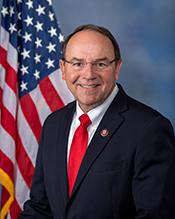
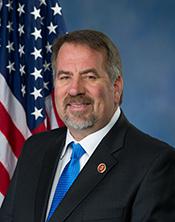
Sponsors and Cosponsors of HR 4541




Latest Bills
TRAPS Act
Bill HR 4936September 18, 2026
Apples to Apples Comparison Act of 2025
Bill HR 4093September 18, 2026
American Lending Fairness Act of 2026
Bill HR 7866September 18, 2026
Civil Investigative Demand Reform Act of 2025
Bill HR 1653September 18, 2026
American Reserve Modernization Act of 2026
Bill HR 8957September 18, 2026
Preventive Health Savings Act
Bill HR 4464September 18, 2026
PEARL Act
Bill HR 9327September 18, 2026
Medically Tailored Home-Delivered Meals Program Pilot Act
Bill HR 5439September 18, 2026
To designate the facility of the United States Postal Service located at 117 West Lovett Street in Charlotte, Michigan, as the "Francis C. Flaherty Post Office Building".
Bill HR 9570September 18, 2026
To designate the facility of the United States Postal Service located at 1019 Avenue H in Fort Madison, Iowa, as the "Martin L. Graber Post Office".
Bill HR 4707September 18, 2026
Resilient Federal Forests Act
Bill HR 4614December 31, 2022