0
0
0
Energy Resilient Communities Act
3/8/2023, 7:58 PM
Summary of Bill HR 448
Bill 117 HR 448, also known as the Energy Resilient Communities Act, is a piece of legislation introduced in the US Congress. The main goal of this bill is to promote energy resilience in communities across the country.
The bill focuses on several key areas to achieve this goal. First, it aims to increase the use of renewable energy sources, such as solar and wind power, in communities. By diversifying energy sources, communities can become less reliant on traditional fossil fuels and better withstand disruptions to the energy grid.
Additionally, the Energy Resilient Communities Act seeks to improve energy efficiency in buildings and infrastructure. This includes promoting the use of energy-efficient technologies and practices to reduce energy consumption and lower costs for residents and businesses. The bill also addresses the need for better planning and coordination in response to natural disasters and other emergencies. By incorporating energy resilience into emergency preparedness plans, communities can better respond to and recover from disasters that may disrupt energy supplies. Overall, the Energy Resilient Communities Act aims to create more sustainable and resilient communities by promoting renewable energy, energy efficiency, and emergency preparedness. This legislation has the potential to benefit communities across the country by reducing energy costs, increasing energy security, and improving overall resilience in the face of challenges.
The bill focuses on several key areas to achieve this goal. First, it aims to increase the use of renewable energy sources, such as solar and wind power, in communities. By diversifying energy sources, communities can become less reliant on traditional fossil fuels and better withstand disruptions to the energy grid.
Additionally, the Energy Resilient Communities Act seeks to improve energy efficiency in buildings and infrastructure. This includes promoting the use of energy-efficient technologies and practices to reduce energy consumption and lower costs for residents and businesses. The bill also addresses the need for better planning and coordination in response to natural disasters and other emergencies. By incorporating energy resilience into emergency preparedness plans, communities can better respond to and recover from disasters that may disrupt energy supplies. Overall, the Energy Resilient Communities Act aims to create more sustainable and resilient communities by promoting renewable energy, energy efficiency, and emergency preparedness. This legislation has the potential to benefit communities across the country by reducing energy costs, increasing energy security, and improving overall resilience in the face of challenges.
Congressional Summary of HR 448
Energy Resilient Communities Act
This bill requires the Department of Energy to establish a program that awards grants to make critical energy infrastructure more resilient to climate change hazards, such as grants for developing clean energy microgrids that support critical community infrastructure or customers of electric utilities with special energy needs due to medical conditions.
Read the Full Bill
Current Status of Bill HR 448
Bill HR 448 is currently in the status of Bill Introduced since January 25, 2021. Bill HR 448 was introduced during Congress 117 and was introduced to the House on January 25, 2021. Bill HR 448's most recent activity was Referred to the Subcommittee on Energy. as of February 2, 2021
Bipartisan Support of Bill HR 448
Total Number of Sponsors
1Democrat Sponsors
1Republican Sponsors
0Unaffiliated Sponsors
0Total Number of Cosponsors
100Democrat Cosponsors
100Republican Cosponsors
0Unaffiliated Cosponsors
0Policy Area and Potential Impact of Bill HR 448
Primary Policy Focus
EnergyPotential Impact Areas
- Air quality
- Alternative and renewable resources
- Building construction
- Buy American requirements
- Climate change and greenhouse gases
- Community life and organization
- Congressional oversight
- Electric power generation and transmission
- Employment and training programs
- Energy prices
- Energy storage, supplies, demand
- Government information and archives
- Government studies and investigations
- Inflation and prices
- Infrastructure development
- Manufacturing
- Metals
- Public contracts and procurement
- Public-private cooperation
- Racial and ethnic relations
- Small business
- Wages and earnings
- Women in business
Alternate Title(s) of Bill HR 448
Energy Resilient Communities Act
To direct the Secretary of Energy to carry out a grant program to improve the energy resilience, energy democracy, and security of communities, prioritizing environmental justice communities, and for other purposes.
Energy Resilient Communities Act
Comments
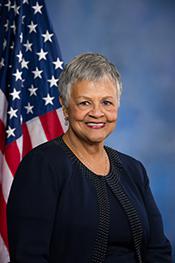
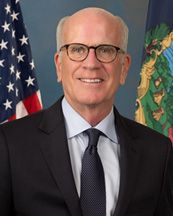
Sponsors and Cosponsors of HR 448




Latest Bills
TRAPS Act
Bill HR 4936September 18, 2026
Apples to Apples Comparison Act of 2025
Bill HR 4093September 18, 2026
American Lending Fairness Act of 2026
Bill HR 7866September 18, 2026
Civil Investigative Demand Reform Act of 2025
Bill HR 1653September 18, 2026
American Reserve Modernization Act of 2026
Bill HR 8957September 18, 2026
Preventive Health Savings Act
Bill HR 4464September 18, 2026
PEARL Act
Bill HR 9327September 18, 2026
Medically Tailored Home-Delivered Meals Program Pilot Act
Bill HR 5439September 18, 2026
To designate the facility of the United States Postal Service located at 117 West Lovett Street in Charlotte, Michigan, as the "Francis C. Flaherty Post Office Building".
Bill HR 9570September 18, 2026
To designate the facility of the United States Postal Service located at 1019 Avenue H in Fort Madison, Iowa, as the "Martin L. Graber Post Office".
Bill HR 4707September 18, 2026
CLEAN Future Act
Bill HR 1512March 8, 2023