0
0
0
Diplomatic Personnel Modernization Act
3/8/2023, 7:58 PM
Summary of Bill HR 1232
Bill 117 HR 1232, also known as the Diplomatic Personnel Modernization Act, is a piece of legislation currently being considered by the US Congress. The purpose of this bill is to modernize and improve the recruitment, retention, and training of diplomatic personnel within the United States government.
One key aspect of the Diplomatic Personnel Modernization Act is the establishment of a more competitive and merit-based system for hiring and promoting diplomatic personnel. This would involve implementing new recruitment strategies to attract top talent, as well as providing additional training and professional development opportunities for current employees.
Additionally, the bill aims to enhance the diversity and inclusivity of the diplomatic corps by promoting equal opportunity and non-discrimination in the hiring and promotion process. This includes measures to increase the representation of women, minorities, and individuals from diverse backgrounds within the diplomatic service. Furthermore, the Diplomatic Personnel Modernization Act seeks to improve the overall effectiveness and efficiency of the diplomatic corps by streamlining administrative processes, enhancing communication and coordination between different agencies, and promoting a culture of innovation and excellence within the diplomatic community. Overall, the goal of Bill 117 HR 1232 is to ensure that the United States has a highly skilled, diverse, and effective diplomatic workforce that is equipped to address the complex challenges of the 21st century. By modernizing and strengthening the recruitment, retention, and training of diplomatic personnel, this legislation aims to enhance the country's diplomatic capabilities and promote its national interests on the global stage.
One key aspect of the Diplomatic Personnel Modernization Act is the establishment of a more competitive and merit-based system for hiring and promoting diplomatic personnel. This would involve implementing new recruitment strategies to attract top talent, as well as providing additional training and professional development opportunities for current employees.
Additionally, the bill aims to enhance the diversity and inclusivity of the diplomatic corps by promoting equal opportunity and non-discrimination in the hiring and promotion process. This includes measures to increase the representation of women, minorities, and individuals from diverse backgrounds within the diplomatic service. Furthermore, the Diplomatic Personnel Modernization Act seeks to improve the overall effectiveness and efficiency of the diplomatic corps by streamlining administrative processes, enhancing communication and coordination between different agencies, and promoting a culture of innovation and excellence within the diplomatic community. Overall, the goal of Bill 117 HR 1232 is to ensure that the United States has a highly skilled, diverse, and effective diplomatic workforce that is equipped to address the complex challenges of the 21st century. By modernizing and strengthening the recruitment, retention, and training of diplomatic personnel, this legislation aims to enhance the country's diplomatic capabilities and promote its national interests on the global stage.
Congressional Summary of HR 1232
Diplomatic Personnel Modernization Act
This bill requires the Department of State to submit to Congress a comprehensive five-year strategic staffing plan.
This plan must include (1) a data set displaying comprehensive workforce data for all current and planned State Department employees, disaggregated by certain metrics; (2) recommendations on the number of Foreign Service officers that should be posted at each U.S. diplomatic post and in the District of Columbia; and (3) recommendations on the number of civil service officers that the State Department should employ.
Read the Full Bill
Current Status of Bill HR 1232
Bill HR 1232 is currently in the status of Bill Introduced since February 23, 2021. Bill HR 1232 was introduced during Congress 117 and was introduced to the House on February 23, 2021. Bill HR 1232's most recent activity was Referred to the House Committee on Foreign Affairs. as of February 23, 2021
Bipartisan Support of Bill HR 1232
Total Number of Sponsors
1Democrat Sponsors
0Republican Sponsors
1Unaffiliated Sponsors
0Total Number of Cosponsors
0Democrat Cosponsors
0Republican Cosponsors
0Unaffiliated Cosponsors
0Policy Area and Potential Impact of Bill HR 1232
Primary Policy Focus
International AffairsPotential Impact Areas
- Congressional oversight
- Department of State
- Diplomacy, foreign officials, Americans abroad
- Government employee pay, benefits, personnel management
- Government information and archives
Alternate Title(s) of Bill HR 1232
Diplomatic Personnel Modernization Act
To require a five-year staffing plan for the Department of State, and for other purposes.
Diplomatic Personnel Modernization Act
Comments
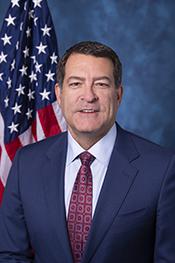
Sponsors and Cosponsors of HR 1232
Latest Bills
TRAPS Act
Bill HR 4936September 18, 2026
Apples to Apples Comparison Act of 2025
Bill HR 4093September 18, 2026
American Lending Fairness Act of 2026
Bill HR 7866September 18, 2026
Civil Investigative Demand Reform Act of 2025
Bill HR 1653September 18, 2026
American Reserve Modernization Act of 2026
Bill HR 8957September 18, 2026
Preventive Health Savings Act
Bill HR 4464September 18, 2026
PEARL Act
Bill HR 9327September 18, 2026
Medically Tailored Home-Delivered Meals Program Pilot Act
Bill HR 5439September 18, 2026
To designate the facility of the United States Postal Service located at 117 West Lovett Street in Charlotte, Michigan, as the "Francis C. Flaherty Post Office Building".
Bill HR 9570September 18, 2026
To designate the facility of the United States Postal Service located at 1019 Avenue H in Fort Madison, Iowa, as the "Martin L. Graber Post Office".
Bill HR 4707September 18, 2026
Department of State Authorization Act of 2021
Bill HR 1157March 8, 2023