0
0
0
Proposing an amendment to the Constitution of the United States relating to contributions and expenditures intended to affect elections.
3/8/2023, 7:58 PM
Summary of Bill HJRES 1
Bill 117 hjres 1, also known as the Democracy for All Amendment, proposes an amendment to the Constitution of the United States regarding contributions and expenditures aimed at influencing elections. The main goal of this bill is to address concerns about the influence of money in politics and to ensure that all Americans have an equal voice in the political process.
The bill seeks to overturn the Supreme Court's decisions in Citizens United v. FEC and related cases, which have allowed for unlimited spending by corporations and other entities in elections. The Democracy for All Amendment would give Congress and the states the authority to regulate and limit the raising and spending of money in elections, including by corporations and other artificial entities.
Supporters of the bill argue that it is necessary to protect the integrity of the democratic process and to prevent wealthy individuals and special interests from exerting undue influence over elections. They believe that the current system allows for the wealthy to have disproportionate power in shaping public policy and that this amendment is needed to level the playing field. Opponents of the bill argue that it infringes on free speech rights and could limit the ability of individuals and organizations to participate in the political process. They believe that the current system, while imperfect, is a necessary part of a vibrant democracy and that restrictions on political spending could have unintended consequences. Overall, the Democracy for All Amendment is a controversial and important piece of legislation that seeks to address the role of money in politics and ensure that all Americans have an equal voice in the political process. Its fate in Congress remains uncertain, but it has sparked a national debate about the influence of money in elections and the future of campaign finance reform.
The bill seeks to overturn the Supreme Court's decisions in Citizens United v. FEC and related cases, which have allowed for unlimited spending by corporations and other entities in elections. The Democracy for All Amendment would give Congress and the states the authority to regulate and limit the raising and spending of money in elections, including by corporations and other artificial entities.
Supporters of the bill argue that it is necessary to protect the integrity of the democratic process and to prevent wealthy individuals and special interests from exerting undue influence over elections. They believe that the current system allows for the wealthy to have disproportionate power in shaping public policy and that this amendment is needed to level the playing field. Opponents of the bill argue that it infringes on free speech rights and could limit the ability of individuals and organizations to participate in the political process. They believe that the current system, while imperfect, is a necessary part of a vibrant democracy and that restrictions on political spending could have unintended consequences. Overall, the Democracy for All Amendment is a controversial and important piece of legislation that seeks to address the role of money in politics and ensure that all Americans have an equal voice in the political process. Its fate in Congress remains uncertain, but it has sparked a national debate about the influence of money in elections and the future of campaign finance reform.
Congressional Summary of HJRES 1
This joint resolution proposes a constitutional amendment authorizing Congress and the states to set reasonable limits on the raising and spending of money by candidates and others to influence elections.
The amendment grants Congress and the states the power to implement and enforce this amendment by legislation. They are allowed to distinguish between natural persons and corporations or other artificial entities created by law, including by prohibiting such entities from spending money to influence elections.
Read the Full Bill
Current Status of Bill HJRES 1
Bill HJRES 1 is currently in the status of Bill Introduced since January 4, 2021. Bill HJRES 1 was introduced during Congress 117 and was introduced to the House on January 4, 2021. Bill HJRES 1's most recent activity was Referred to the Subcommittee on the Constitution, Civil Rights, and Civil Liberties. as of March 4, 2021
Bipartisan Support of Bill HJRES 1
Total Number of Sponsors
1Democrat Sponsors
1Republican Sponsors
0Unaffiliated Sponsors
0Total Number of Cosponsors
360Democrat Cosponsors
358Republican Cosponsors
2Unaffiliated Cosponsors
0Policy Area and Potential Impact of Bill HJRES 1
Primary Policy Focus
Government Operations and PoliticsPotential Impact Areas
- Constitution and constitutional amendments
- Elections, voting, political campaign regulation
- State and local government operations
Alternate Title(s) of Bill HJRES 1
Proposing an amendment to the Constitution of the United States relating to contributions and expenditures intended to affect elections.
Proposing an amendment to the Constitution of the United States relating to contributions and expenditures intended to affect elections.
Comments
Sponsors and Cosponsors of HJRES 1

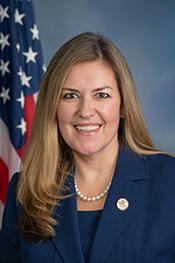
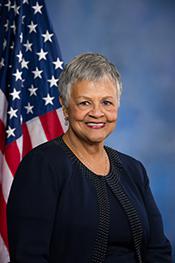
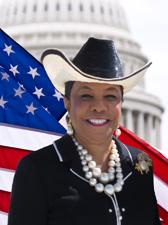
Latest Bills
TRAPS Act
Bill HR 4936September 18, 2026
Apples to Apples Comparison Act of 2025
Bill HR 4093September 18, 2026
American Lending Fairness Act of 2026
Bill HR 7866September 18, 2026
Civil Investigative Demand Reform Act of 2025
Bill HR 1653September 18, 2026
American Reserve Modernization Act of 2026
Bill HR 8957September 18, 2026
Preventive Health Savings Act
Bill HR 4464September 18, 2026
PEARL Act
Bill HR 9327September 18, 2026
Medically Tailored Home-Delivered Meals Program Pilot Act
Bill HR 5439September 18, 2026
To designate the facility of the United States Postal Service located at 117 West Lovett Street in Charlotte, Michigan, as the "Francis C. Flaherty Post Office Building".
Bill HR 9570September 18, 2026
To designate the facility of the United States Postal Service located at 1019 Avenue H in Fort Madison, Iowa, as the "Martin L. Graber Post Office".
Bill HR 4707September 18, 2026
A joint resolution proposing an amendment to the Constitution of the United States relating to contributions and expenditures intended to affect elections.
Bill SJRES 25January 2, 2023