0
0
0
Seniors Fraud Prevention Act of 2017
4/7/2025, 2:57 PM
Summary of Bill S 81
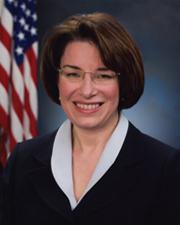
Bill 115 s 81, also known as the Seniors Fraud Prevention Act of 2017, is a piece of legislation introduced in the US Congress with the aim of protecting senior citizens from fraudulent schemes and scams. The bill was introduced by Senator Amy Klobuchar on January 12, 2017.
The main provisions of the bill include the establishment of a Senior Scams Prevention Advisory Council, which would be responsible for advising the Federal Trade Commission (FTC) on issues related to senior fraud prevention. The council would also be tasked with developing educational materials and resources to help seniors recognize and avoid fraudulent schemes.
Additionally, the bill would require the FTC to provide training to employees of the agency who work with seniors, in order to better equip them to identify and respond to instances of fraud targeting older Americans. The bill also calls for increased coordination between the FTC and other federal agencies, as well as state and local law enforcement, to combat senior fraud. Overall, the Seniors Fraud Prevention Act of 2017 aims to enhance the protection of senior citizens from financial exploitation and fraud, and to empower them with the knowledge and resources needed to avoid falling victim to scams. The bill has received bipartisan support in Congress and is seen as an important step towards safeguarding the financial well-being of older Americans.
The main provisions of the bill include the establishment of a Senior Scams Prevention Advisory Council, which would be responsible for advising the Federal Trade Commission (FTC) on issues related to senior fraud prevention. The council would also be tasked with developing educational materials and resources to help seniors recognize and avoid fraudulent schemes.
Additionally, the bill would require the FTC to provide training to employees of the agency who work with seniors, in order to better equip them to identify and respond to instances of fraud targeting older Americans. The bill also calls for increased coordination between the FTC and other federal agencies, as well as state and local law enforcement, to combat senior fraud. Overall, the Seniors Fraud Prevention Act of 2017 aims to enhance the protection of senior citizens from financial exploitation and fraud, and to empower them with the knowledge and resources needed to avoid falling victim to scams. The bill has received bipartisan support in Congress and is seen as an important step towards safeguarding the financial well-being of older Americans.
Current Status of Bill S 81
Bill S 81 is currently in the status of Bill Introduced since January 10, 2017. Bill S 81 was introduced during Congress 115 and was introduced to the Senate on January 10, 2017. Bill S 81's most recent activity was Referred to the Subcommittee on Digital Commerce and Consumer Protection. as of August 11, 2017
Bipartisan Support of Bill S 81
Total Number of Sponsors
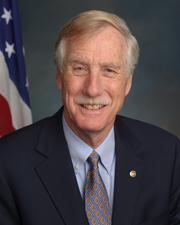
1Democrat Sponsors
1Republican Sponsors
0Unaffiliated Sponsors
0Total Number of Cosponsors
0Democrat Cosponsors
0Republican Cosponsors
0Unaffiliated Cosponsors
0Policy Area and Potential Impact of Bill S 81
Primary Policy Focus
CommerceComments
Sponsors and Cosponsors of S 81

Latest Bills
TRAPS Act
Bill HR 4936September 18, 2026
Apples to Apples Comparison Act of 2025
Bill HR 4093September 18, 2026
American Lending Fairness Act of 2026
Bill HR 7866September 18, 2026
Civil Investigative Demand Reform Act of 2025
Bill HR 1653September 18, 2026
American Reserve Modernization Act of 2026
Bill HR 8957September 18, 2026
Preventive Health Savings Act
Bill HR 4464September 18, 2026
PEARL Act
Bill HR 9327September 18, 2026
Medically Tailored Home-Delivered Meals Program Pilot Act
Bill HR 5439September 18, 2026
To designate the facility of the United States Postal Service located at 117 West Lovett Street in Charlotte, Michigan, as the "Francis C. Flaherty Post Office Building".
Bill HR 9570September 18, 2026
To designate the facility of the United States Postal Service located at 1019 Avenue H in Fort Madison, Iowa, as the "Martin L. Graber Post Office".
Bill HR 4707September 18, 2026