0
0
0
Taxpayer Exposure Mitigation Act of 2017
4/7/2025, 3:21 PM
Summary of Bill HR 2246
Bill 115 hr 2246, also known as the Taxpayer Exposure Mitigation Act of 2017, aims to reduce the financial risk to taxpayers by limiting the exposure of the federal government to certain financial institutions. The bill specifically targets institutions that engage in risky financial practices that could potentially lead to a bailout funded by taxpayers.
The legislation requires these institutions to hold a minimum amount of capital to cover potential losses, as well as to develop plans for orderly resolution in the event of financial distress. This is intended to prevent taxpayers from having to foot the bill for a financial institution's failure.
Additionally, the bill establishes a process for the federal government to identify and designate certain financial institutions as "systemically important," meaning that their failure could have a significant impact on the overall economy. These institutions would be subject to stricter regulations and oversight to prevent a repeat of the 2008 financial crisis. Overall, the Taxpayer Exposure Mitigation Act of 2017 seeks to protect taxpayers from bearing the burden of financial institutions' risky behavior, while also promoting stability and accountability in the financial sector.
The legislation requires these institutions to hold a minimum amount of capital to cover potential losses, as well as to develop plans for orderly resolution in the event of financial distress. This is intended to prevent taxpayers from having to foot the bill for a financial institution's failure.
Additionally, the bill establishes a process for the federal government to identify and designate certain financial institutions as "systemically important," meaning that their failure could have a significant impact on the overall economy. These institutions would be subject to stricter regulations and oversight to prevent a repeat of the 2008 financial crisis. Overall, the Taxpayer Exposure Mitigation Act of 2017 seeks to protect taxpayers from bearing the burden of financial institutions' risky behavior, while also promoting stability and accountability in the financial sector.
Current Status of Bill HR 2246
Bill HR 2246 is currently in the status of Bill Introduced since April 28, 2017. Bill HR 2246 was introduced during Congress 115 and was introduced to the House on April 28, 2017. Bill HR 2246's most recent activity was Placed on the Union Calendar, Calendar No. 185. as of July 25, 2017
Bipartisan Support of Bill HR 2246
Total Number of Sponsors
1Democrat Sponsors
0Republican Sponsors
1Unaffiliated Sponsors
0Total Number of Cosponsors
0Democrat Cosponsors
0Republican Cosponsors
0Unaffiliated Cosponsors
0Policy Area and Potential Impact of Bill HR 2246
Primary Policy Focus
Finance and Financial SectorComments
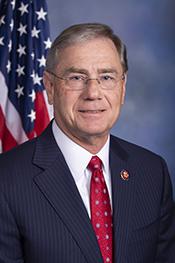
Sponsors and Cosponsors of HR 2246
Latest Bills
TRAPS Act
Bill HR 4936September 18, 2026
Apples to Apples Comparison Act of 2025
Bill HR 4093September 18, 2026
American Lending Fairness Act of 2026
Bill HR 7866September 18, 2026
Civil Investigative Demand Reform Act of 2025
Bill HR 1653September 18, 2026
American Reserve Modernization Act of 2026
Bill HR 8957September 18, 2026
Preventive Health Savings Act
Bill HR 4464September 18, 2026
PEARL Act
Bill HR 9327September 18, 2026
Medically Tailored Home-Delivered Meals Program Pilot Act
Bill HR 5439September 18, 2026
To designate the facility of the United States Postal Service located at 117 West Lovett Street in Charlotte, Michigan, as the "Francis C. Flaherty Post Office Building".
Bill HR 9570September 18, 2026
To designate the facility of the United States Postal Service located at 1019 Avenue H in Fort Madison, Iowa, as the "Martin L. Graber Post Office".
Bill HR 4707September 18, 2026