0
0
0
To amend title 5, United States Code, to expand law enforcement availability pay to employees of U.S. Customs and Border Protection's Air and Marine Operations.
4/7/2025, 3:41 PM
Summary of Bill HR 4902
Bill 114 hr 4902, also known as the "Law Enforcement Availability Pay Expansion Act," aims to amend title 5 of the United States Code to extend law enforcement availability pay to employees of the U.S. Customs and Border Protection's Air and Marine Operations. This bill seeks to provide additional compensation to these employees who work in law enforcement roles within the Air and Marine Operations division.
The bill recognizes the unique and critical role that employees of the U.S. Customs and Border Protection's Air and Marine Operations play in protecting the nation's borders and enforcing laws related to customs and immigration. By extending law enforcement availability pay to these employees, the bill aims to ensure that they are fairly compensated for their important work and dedication to keeping the country safe.
Law enforcement availability pay is a form of premium pay that is provided to federal law enforcement officers who are required to work irregular hours, including nights, weekends, and holidays. By expanding this pay to employees of the U.S. Customs and Border Protection's Air and Marine Operations, the bill acknowledges the demanding nature of their work and the sacrifices they make to protect the country. Overall, Bill 114 hr 4902 seeks to support and recognize the contributions of employees of the U.S. Customs and Border Protection's Air and Marine Operations by providing them with the additional compensation they deserve for their vital role in safeguarding the nation's borders and enforcing laws related to customs and immigration.
The bill recognizes the unique and critical role that employees of the U.S. Customs and Border Protection's Air and Marine Operations play in protecting the nation's borders and enforcing laws related to customs and immigration. By extending law enforcement availability pay to these employees, the bill aims to ensure that they are fairly compensated for their important work and dedication to keeping the country safe.
Law enforcement availability pay is a form of premium pay that is provided to federal law enforcement officers who are required to work irregular hours, including nights, weekends, and holidays. By expanding this pay to employees of the U.S. Customs and Border Protection's Air and Marine Operations, the bill acknowledges the demanding nature of their work and the sacrifices they make to protect the country. Overall, Bill 114 hr 4902 seeks to support and recognize the contributions of employees of the U.S. Customs and Border Protection's Air and Marine Operations by providing them with the additional compensation they deserve for their vital role in safeguarding the nation's borders and enforcing laws related to customs and immigration.
Current Status of Bill HR 4902
Bill HR 4902 is currently in the status of Bill Introduced since April 12, 2016. Bill HR 4902 was introduced during Congress 114 and was introduced to the House on April 12, 2016. Bill HR 4902's most recent activity was Became Public Law No: 114-250. as of December 8, 2016
Bipartisan Support of Bill HR 4902
Total Number of Sponsors
1Democrat Sponsors
0Republican Sponsors
1Unaffiliated Sponsors
0Total Number of Cosponsors
0Democrat Cosponsors
0Republican Cosponsors
0Unaffiliated Cosponsors
0Policy Area and Potential Impact of Bill HR 4902
Primary Policy Focus
Government Operations and PoliticsComments
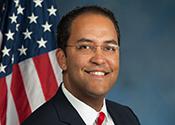
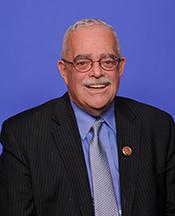
Sponsors and Cosponsors of HR 4902

Latest Bills
TRAPS Act
Bill HR 4936September 18, 2026
Apples to Apples Comparison Act of 2025
Bill HR 4093September 18, 2026
American Lending Fairness Act of 2026
Bill HR 7866September 18, 2026
Civil Investigative Demand Reform Act of 2025
Bill HR 1653September 18, 2026
American Reserve Modernization Act of 2026
Bill HR 8957September 18, 2026
Preventive Health Savings Act
Bill HR 4464September 18, 2026
PEARL Act
Bill HR 9327September 18, 2026
Medically Tailored Home-Delivered Meals Program Pilot Act
Bill HR 5439September 18, 2026
To designate the facility of the United States Postal Service located at 117 West Lovett Street in Charlotte, Michigan, as the "Francis C. Flaherty Post Office Building".
Bill HR 9570September 18, 2026
To designate the facility of the United States Postal Service located at 1019 Avenue H in Fort Madison, Iowa, as the "Martin L. Graber Post Office".
Bill HR 4707September 18, 2026