0
0
0
Corporate and Financial Institution Compensation Fairness Act of 2009
4/7/2025, 3:36 PM
Summary of Bill HR 3269
Bill 111 HR 3269, also known as the Corporate and Financial Institution Compensation Fairness Act of 2009, aims to address concerns about excessive executive compensation in corporations and financial institutions. The bill seeks to promote transparency and accountability in the way that executives are compensated, with the goal of ensuring that compensation is fair and aligned with the long-term interests of shareholders.
Key provisions of the bill include requirements for corporations and financial institutions to disclose detailed information about executive compensation, including salaries, bonuses, stock options, and other forms of payment. The bill also includes provisions to limit excessive compensation by imposing restrictions on golden parachutes and other forms of compensation that may incentivize risky behavior.
Additionally, the bill includes provisions to give shareholders a greater say in executive compensation decisions, including the ability to vote on executive pay packages. This is intended to empower shareholders to hold executives accountable for their performance and ensure that compensation is in line with company performance. Overall, the Corporate and Financial Institution Compensation Fairness Act of 2009 aims to promote fairness and accountability in executive compensation practices, with the goal of protecting the interests of shareholders and promoting long-term stability in corporations and financial institutions.
Key provisions of the bill include requirements for corporations and financial institutions to disclose detailed information about executive compensation, including salaries, bonuses, stock options, and other forms of payment. The bill also includes provisions to limit excessive compensation by imposing restrictions on golden parachutes and other forms of compensation that may incentivize risky behavior.
Additionally, the bill includes provisions to give shareholders a greater say in executive compensation decisions, including the ability to vote on executive pay packages. This is intended to empower shareholders to hold executives accountable for their performance and ensure that compensation is in line with company performance. Overall, the Corporate and Financial Institution Compensation Fairness Act of 2009 aims to promote fairness and accountability in executive compensation practices, with the goal of protecting the interests of shareholders and promoting long-term stability in corporations and financial institutions.
Current Status of Bill HR 3269
Bill HR 3269 is currently in the status of Bill Introduced since July 21, 2009. Bill HR 3269 was introduced during Congress 111 and was introduced to the House on July 21, 2009. Bill HR 3269's most recent activity was Received in the Senate and Read twice and referred to the Committee on Banking, Housing, and Urban Affairs. as of August 3, 2009
Bipartisan Support of Bill HR 3269
Total Number of Sponsors
1Democrat Sponsors
1Republican Sponsors
0Unaffiliated Sponsors
0Total Number of Cosponsors
0Democrat Cosponsors
0Republican Cosponsors
0Unaffiliated Cosponsors
0Policy Area and Potential Impact of Bill HR 3269
Primary Policy Focus
Finance and Financial SectorComments
Sponsors and Cosponsors of HR 3269




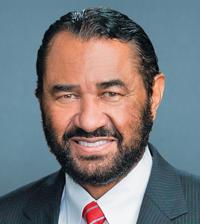
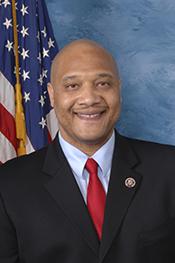
Latest Bills
TRAPS Act
Bill HR 4936September 18, 2026
Apples to Apples Comparison Act of 2025
Bill HR 4093September 18, 2026
American Lending Fairness Act of 2026
Bill HR 7866September 18, 2026
Civil Investigative Demand Reform Act of 2025
Bill HR 1653September 18, 2026
American Reserve Modernization Act of 2026
Bill HR 8957September 18, 2026
Preventive Health Savings Act
Bill HR 4464September 18, 2026
PEARL Act
Bill HR 9327September 18, 2026
Medically Tailored Home-Delivered Meals Program Pilot Act
Bill HR 5439September 18, 2026
To designate the facility of the United States Postal Service located at 117 West Lovett Street in Charlotte, Michigan, as the "Francis C. Flaherty Post Office Building".
Bill HR 9570September 18, 2026
To designate the facility of the United States Postal Service located at 1019 Avenue H in Fort Madison, Iowa, as the "Martin L. Graber Post Office".
Bill HR 4707September 18, 2026