0
0
0
Hiring Incentives to Restore Employment Act
4/7/2025, 3:35 PM
Summary of Bill HR 2847
Bill 111 HR 2847, also known as the Hiring Incentives to Restore Employment (HIRE) Act, was introduced in the US Congress with the goal of encouraging businesses to hire more workers and stimulate job growth in the country. The bill was passed in 2010 and signed into law by President Barack Obama.
The HIRE Act provided tax incentives to businesses that hired unemployed workers, specifically those who had been out of work for at least 60 days. Employers were eligible for a payroll tax exemption on wages paid to these new employees, as well as a tax credit of up to $1,000 for each worker retained for at least a year.
In addition to the hiring incentives, the bill also included provisions to extend funding for transportation infrastructure projects and to provide assistance to states facing high levels of unemployment. The HIRE Act was seen as a way to jumpstart the economy and reduce the unemployment rate, which was hovering around 10% at the time of its passage. Overall, the HIRE Act was aimed at providing immediate relief to businesses struggling to create jobs in the wake of the 2008 financial crisis. While the bill received bipartisan support in Congress, some critics argued that the tax incentives were not enough to significantly impact job creation in the long term. Nonetheless, the HIRE Act remains an important piece of legislation in the ongoing efforts to address unemployment and stimulate economic growth in the United States.
The HIRE Act provided tax incentives to businesses that hired unemployed workers, specifically those who had been out of work for at least 60 days. Employers were eligible for a payroll tax exemption on wages paid to these new employees, as well as a tax credit of up to $1,000 for each worker retained for at least a year.
In addition to the hiring incentives, the bill also included provisions to extend funding for transportation infrastructure projects and to provide assistance to states facing high levels of unemployment. The HIRE Act was seen as a way to jumpstart the economy and reduce the unemployment rate, which was hovering around 10% at the time of its passage. Overall, the HIRE Act was aimed at providing immediate relief to businesses struggling to create jobs in the wake of the 2008 financial crisis. While the bill received bipartisan support in Congress, some critics argued that the tax incentives were not enough to significantly impact job creation in the long term. Nonetheless, the HIRE Act remains an important piece of legislation in the ongoing efforts to address unemployment and stimulate economic growth in the United States.
Current Status of Bill HR 2847
Bill HR 2847 is currently in the status of Bill Introduced since June 12, 2009. Bill HR 2847 was introduced during Congress 111 and was introduced to the House on June 12, 2009. Bill HR 2847's most recent activity was Became Public Law No: 111-147. as of March 18, 2010
Bipartisan Support of Bill HR 2847
Total Number of Sponsors
1Democrat Sponsors
1Republican Sponsors
0Unaffiliated Sponsors
0Total Number of Cosponsors
0Democrat Cosponsors
0Republican Cosponsors
0Unaffiliated Cosponsors
0Policy Area and Potential Impact of Bill HR 2847
Primary Policy Focus
Economics and Public FinanceComments
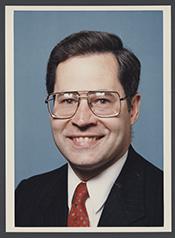
Sponsors and Cosponsors of HR 2847
Latest Bills
TRAPS Act
Bill HR 4936September 18, 2026
Apples to Apples Comparison Act of 2025
Bill HR 4093September 18, 2026
American Lending Fairness Act of 2026
Bill HR 7866September 18, 2026
Civil Investigative Demand Reform Act of 2025
Bill HR 1653September 18, 2026
American Reserve Modernization Act of 2026
Bill HR 8957September 18, 2026
Preventive Health Savings Act
Bill HR 4464September 18, 2026
PEARL Act
Bill HR 9327September 18, 2026
Medically Tailored Home-Delivered Meals Program Pilot Act
Bill HR 5439September 18, 2026
To designate the facility of the United States Postal Service located at 117 West Lovett Street in Charlotte, Michigan, as the "Francis C. Flaherty Post Office Building".
Bill HR 9570September 18, 2026
To designate the facility of the United States Postal Service located at 1019 Avenue H in Fort Madison, Iowa, as the "Martin L. Graber Post Office".
Bill HR 4707September 18, 2026