0
0
0
District of Columbia House Voting Rights Act of 2009
4/7/2025, 3:18 PM
Summary of Bill HR 157
Bill 111 hr 157, also known as the District of Columbia House Voting Rights Act of 2009, was introduced in the 111th Congress on January 6, 2009. The purpose of this bill was to grant the District of Columbia a voting representative in the House of Representatives.
The bill proposed to increase the number of seats in the House of Representatives from 435 to 437, with one of those seats being designated for the District of Columbia. This would give the residents of the District of Columbia representation in Congress for the first time in history.
The bill also included a provision that would grant an additional seat to the state of Utah, which was next in line to receive an additional seat based on population growth. This was seen as a compromise to balance the political representation between the two major parties. The bill passed the House of Representatives on April 19, 2010, with a vote of 219-212. However, it faced opposition in the Senate and ultimately did not become law. Supporters of the bill argued that the residents of the District of Columbia, who pay federal taxes and serve in the military, deserve full representation in Congress. Opponents raised concerns about the constitutionality of granting the District of Columbia a voting representative without a constitutional amendment. Overall, the District of Columbia House Voting Rights Act of 2009 was a controversial and highly debated piece of legislation that highlighted the ongoing debate over representation for the residents of the District of Columbia.
The bill proposed to increase the number of seats in the House of Representatives from 435 to 437, with one of those seats being designated for the District of Columbia. This would give the residents of the District of Columbia representation in Congress for the first time in history.
The bill also included a provision that would grant an additional seat to the state of Utah, which was next in line to receive an additional seat based on population growth. This was seen as a compromise to balance the political representation between the two major parties. The bill passed the House of Representatives on April 19, 2010, with a vote of 219-212. However, it faced opposition in the Senate and ultimately did not become law. Supporters of the bill argued that the residents of the District of Columbia, who pay federal taxes and serve in the military, deserve full representation in Congress. Opponents raised concerns about the constitutionality of granting the District of Columbia a voting representative without a constitutional amendment. Overall, the District of Columbia House Voting Rights Act of 2009 was a controversial and highly debated piece of legislation that highlighted the ongoing debate over representation for the residents of the District of Columbia.
Current Status of Bill HR 157
Bill HR 157 is currently in the status of Bill Introduced since January 6, 2009. Bill HR 157 was introduced during Congress 111 and was introduced to the House on January 6, 2009. Bill HR 157's most recent activity was Placed on the Union Calendar, Calendar No. 8. as of March 2, 2009
Bipartisan Support of Bill HR 157
Total Number of Sponsors
1Democrat Sponsors
1Republican Sponsors
0Unaffiliated Sponsors
0Total Number of Cosponsors
0Democrat Cosponsors
0Republican Cosponsors
0Unaffiliated Cosponsors
0Policy Area and Potential Impact of Bill HR 157
Primary Policy Focus
CongressComments
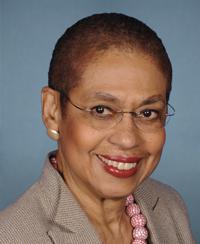
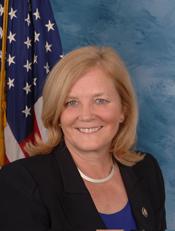
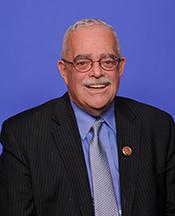
Sponsors and Cosponsors of HR 157
Latest Bills
TRAPS Act
Bill HR 4936September 18, 2026
Apples to Apples Comparison Act of 2025
Bill HR 4093September 18, 2026
American Lending Fairness Act of 2026
Bill HR 7866September 18, 2026
Civil Investigative Demand Reform Act of 2025
Bill HR 1653September 18, 2026
American Reserve Modernization Act of 2026
Bill HR 8957September 18, 2026
Preventive Health Savings Act
Bill HR 4464September 18, 2026
PEARL Act
Bill HR 9327September 18, 2026
Medically Tailored Home-Delivered Meals Program Pilot Act
Bill HR 5439September 18, 2026
To designate the facility of the United States Postal Service located at 117 West Lovett Street in Charlotte, Michigan, as the "Francis C. Flaherty Post Office Building".
Bill HR 9570September 18, 2026
To designate the facility of the United States Postal Service located at 1019 Avenue H in Fort Madison, Iowa, as the "Martin L. Graber Post Office".
Bill HR 4707September 18, 2026