0
0
0
CALM Act
4/7/2025, 3:36 PM
Summary of Bill HR 1084
The CALM Act, also known as Bill 111 hr 1084, is a piece of legislation that was introduced in the United States Congress. The purpose of this bill is to regulate the volume of television commercials in order to prevent them from being excessively loud compared to the regular programming.
The CALM Act stands for the Commercial Advertisement Loudness Mitigation Act. It was introduced in response to complaints from consumers who were frustrated by the sudden increase in volume when commercials aired during television programs. The bill aims to ensure that the volume of commercials is consistent with the volume of the regular programming, so as not to disrupt viewers' experience.
If passed, the CALM Act would require television broadcasters and cable operators to adhere to specific guidelines for the volume of commercials. This would involve using technology to monitor and control the volume levels of commercials, in order to prevent them from being excessively loud. Overall, the CALM Act is intended to improve the viewing experience for consumers by regulating the volume of television commercials. It is a bipartisan effort to address a common complaint among viewers and ensure that commercials are not overly disruptive.
The CALM Act stands for the Commercial Advertisement Loudness Mitigation Act. It was introduced in response to complaints from consumers who were frustrated by the sudden increase in volume when commercials aired during television programs. The bill aims to ensure that the volume of commercials is consistent with the volume of the regular programming, so as not to disrupt viewers' experience.
If passed, the CALM Act would require television broadcasters and cable operators to adhere to specific guidelines for the volume of commercials. This would involve using technology to monitor and control the volume levels of commercials, in order to prevent them from being excessively loud. Overall, the CALM Act is intended to improve the viewing experience for consumers by regulating the volume of television commercials. It is a bipartisan effort to address a common complaint among viewers and ensure that commercials are not overly disruptive.
Current Status of Bill HR 1084
Bill HR 1084 is currently in the status of Bill Introduced since February 13, 2009. Bill HR 1084 was introduced during Congress 111 and was introduced to the House on February 13, 2009. Bill HR 1084's most recent activity was Received in the Senate and Read twice and referred to the Committee on Commerce, Science, and Transportation. as of December 16, 2009
Bipartisan Support of Bill HR 1084
Total Number of Sponsors
1Democrat Sponsors
1Republican Sponsors
0Unaffiliated Sponsors
0Total Number of Cosponsors
0Democrat Cosponsors
0Republican Cosponsors
0Unaffiliated Cosponsors
0Policy Area and Potential Impact of Bill HR 1084
Primary Policy Focus
Science, Technology, CommunicationsComments
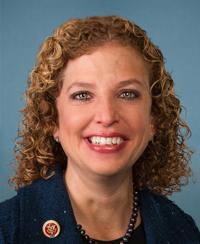
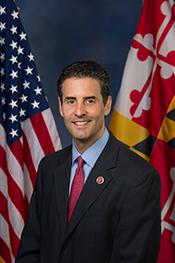
Sponsors and Cosponsors of HR 1084




Latest Bills
TRAPS Act
Bill HR 4936September 18, 2026
Apples to Apples Comparison Act of 2025
Bill HR 4093September 18, 2026
American Lending Fairness Act of 2026
Bill HR 7866September 18, 2026
Civil Investigative Demand Reform Act of 2025
Bill HR 1653September 18, 2026
American Reserve Modernization Act of 2026
Bill HR 8957September 18, 2026
Preventive Health Savings Act
Bill HR 4464September 18, 2026
PEARL Act
Bill HR 9327September 18, 2026
Medically Tailored Home-Delivered Meals Program Pilot Act
Bill HR 5439September 18, 2026
To designate the facility of the United States Postal Service located at 117 West Lovett Street in Charlotte, Michigan, as the "Francis C. Flaherty Post Office Building".
Bill HR 9570September 18, 2026
To designate the facility of the United States Postal Service located at 1019 Avenue H in Fort Madison, Iowa, as the "Martin L. Graber Post Office".
Bill HR 4707September 18, 2026