0
0
0
Pisgah National Forest Boundary Adjustment Act of 2009
4/7/2025, 3:18 PM
Summary of Bill HR 1002
Bill 111 hr 1002, also known as the Pisgah National Forest Boundary Adjustment Act of 2009, is a piece of legislation that focuses on adjusting the boundaries of the Pisgah National Forest in North Carolina. The bill was introduced in the 111th Congress in 2009.
The main purpose of this bill is to transfer certain lands from the National Forest System to the jurisdiction of the Department of the Interior to be managed as part of the Blue Ridge National Heritage Area. This adjustment of boundaries is intended to enhance the protection and preservation of the natural and cultural resources within the Pisgah National Forest.
The bill also includes provisions for the exchange of lands between the Forest Service and private landowners, as well as the acquisition of additional lands to be added to the Pisgah National Forest. These exchanges and acquisitions are aimed at improving the overall management and conservation of the forest. Overall, the Pisgah National Forest Boundary Adjustment Act of 2009 seeks to promote the sustainable use and enjoyment of the natural resources within the Pisgah National Forest while also preserving its unique cultural heritage. The bill has received bipartisan support and is seen as a positive step towards the continued protection of this important natural area.
The main purpose of this bill is to transfer certain lands from the National Forest System to the jurisdiction of the Department of the Interior to be managed as part of the Blue Ridge National Heritage Area. This adjustment of boundaries is intended to enhance the protection and preservation of the natural and cultural resources within the Pisgah National Forest.
The bill also includes provisions for the exchange of lands between the Forest Service and private landowners, as well as the acquisition of additional lands to be added to the Pisgah National Forest. These exchanges and acquisitions are aimed at improving the overall management and conservation of the forest. Overall, the Pisgah National Forest Boundary Adjustment Act of 2009 seeks to promote the sustainable use and enjoyment of the natural resources within the Pisgah National Forest while also preserving its unique cultural heritage. The bill has received bipartisan support and is seen as a positive step towards the continued protection of this important natural area.
Current Status of Bill HR 1002
Bill HR 1002 is currently in the status of Bill Introduced since February 11, 2009. Bill HR 1002 was introduced during Congress 111 and was introduced to the House on February 11, 2009. Bill HR 1002's most recent activity was Received in the Senate and Read twice and referred to the Committee on Agriculture, Nutrition, and Forestry. as of September 16, 2009
Bipartisan Support of Bill HR 1002
Total Number of Sponsors
1Democrat Sponsors
1Republican Sponsors
0Unaffiliated Sponsors
0Total Number of Cosponsors
0Democrat Cosponsors
0Republican Cosponsors
0Unaffiliated Cosponsors
0Policy Area and Potential Impact of Bill HR 1002
Primary Policy Focus
Public Lands and Natural ResourcesComments
Sponsors and Cosponsors of HR 1002
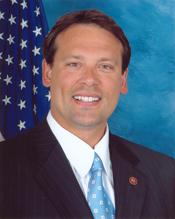


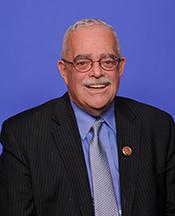
Latest Bills
TRAPS Act
Bill HR 4936September 18, 2026
Apples to Apples Comparison Act of 2025
Bill HR 4093September 18, 2026
American Lending Fairness Act of 2026
Bill HR 7866September 18, 2026
Civil Investigative Demand Reform Act of 2025
Bill HR 1653September 18, 2026
American Reserve Modernization Act of 2026
Bill HR 8957September 18, 2026
Preventive Health Savings Act
Bill HR 4464September 18, 2026
PEARL Act
Bill HR 9327September 18, 2026
Medically Tailored Home-Delivered Meals Program Pilot Act
Bill HR 5439September 18, 2026
To designate the facility of the United States Postal Service located at 117 West Lovett Street in Charlotte, Michigan, as the "Francis C. Flaherty Post Office Building".
Bill HR 9570September 18, 2026
To designate the facility of the United States Postal Service located at 1019 Avenue H in Fort Madison, Iowa, as the "Martin L. Graber Post Office".
Bill HR 4707September 18, 2026