0
0
0
Newborn Screening Saves Lives Act of 2008
4/7/2025, 3:34 PM
Summary of Bill HR 3825
Bill 110 hr 3825, also known as the Newborn Screening Saves Lives Act of 2008, was introduced in the US Congress with the aim of improving and expanding newborn screening programs across the country. The bill sought to ensure that all newborns are screened for a variety of genetic and metabolic disorders, which can be detected through simple blood tests shortly after birth.
The Newborn Screening Saves Lives Act of 2008 aimed to standardize and enhance newborn screening practices, as well as improve the timeliness and accuracy of test results. The bill also included provisions to increase public awareness about the importance of newborn screening and to provide support for families of children with genetic disorders.
Additionally, the bill called for the establishment of a national contingency plan for newborn screening in the event of a public health emergency, such as a natural disaster or disease outbreak. It also sought to promote research and development in the field of newborn screening, with the goal of improving detection methods and expanding the number of disorders that can be screened for. Overall, the Newborn Screening Saves Lives Act of 2008 was designed to ensure that all newborns have access to timely and accurate screening for genetic and metabolic disorders, with the ultimate goal of improving health outcomes for children and families across the United States.
The Newborn Screening Saves Lives Act of 2008 aimed to standardize and enhance newborn screening practices, as well as improve the timeliness and accuracy of test results. The bill also included provisions to increase public awareness about the importance of newborn screening and to provide support for families of children with genetic disorders.
Additionally, the bill called for the establishment of a national contingency plan for newborn screening in the event of a public health emergency, such as a natural disaster or disease outbreak. It also sought to promote research and development in the field of newborn screening, with the goal of improving detection methods and expanding the number of disorders that can be screened for. Overall, the Newborn Screening Saves Lives Act of 2008 was designed to ensure that all newborns have access to timely and accurate screening for genetic and metabolic disorders, with the ultimate goal of improving health outcomes for children and families across the United States.
Current Status of Bill HR 3825
Bill HR 3825 is currently in the status of Bill Introduced since October 15, 2007. Bill HR 3825 was introduced during Congress 110 and was introduced to the House on October 15, 2007. Bill HR 3825's most recent activity was Placed on the Union Calendar, Calendar No. 352. as of April 8, 2008
Bipartisan Support of Bill HR 3825
Total Number of Sponsors
1Democrat Sponsors
1Republican Sponsors
0Unaffiliated Sponsors
0Total Number of Cosponsors
0Democrat Cosponsors
0Republican Cosponsors
0Unaffiliated Cosponsors
0Policy Area and Potential Impact of Bill HR 3825
Primary Policy Focus
HealthComments
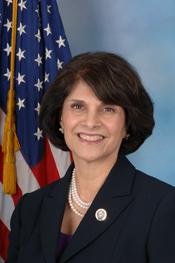
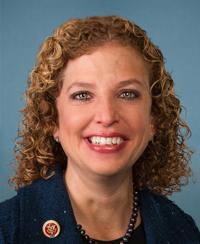
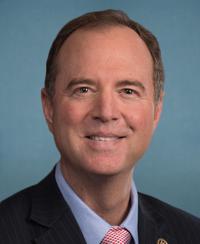
Sponsors and Cosponsors of HR 3825



Latest Bills
TRAPS Act
Bill HR 4936September 18, 2026
Apples to Apples Comparison Act of 2025
Bill HR 4093September 18, 2026
American Lending Fairness Act of 2026
Bill HR 7866September 18, 2026
Civil Investigative Demand Reform Act of 2025
Bill HR 1653September 18, 2026
American Reserve Modernization Act of 2026
Bill HR 8957September 18, 2026
Preventive Health Savings Act
Bill HR 4464September 18, 2026
PEARL Act
Bill HR 9327September 18, 2026
Medically Tailored Home-Delivered Meals Program Pilot Act
Bill HR 5439September 18, 2026
To designate the facility of the United States Postal Service located at 117 West Lovett Street in Charlotte, Michigan, as the "Francis C. Flaherty Post Office Building".
Bill HR 9570September 18, 2026
To designate the facility of the United States Postal Service located at 1019 Avenue H in Fort Madison, Iowa, as the "Martin L. Graber Post Office".
Bill HR 4707September 18, 2026