0
0
0
To amend the Internal Revenue Code of 1986 to repeal the estate and generation-skipping transfer taxes.
3/1/2025, 9:06 AM
Summary of Bill HR 1301
Bill 119 HR 1301, also known as the Estate Tax and Generation-Skipping Transfer Tax Repeal Act, aims to make changes to the Internal Revenue Code of 1986 by repealing the estate and generation-skipping transfer taxes.
The estate tax, also known as the "death tax," is a tax imposed on the transfer of the estate of a deceased person. This tax is currently levied on estates valued at over a certain threshold, which is set at $11.7 million for individuals and $23.4 million for couples in 2021. The generation-skipping transfer tax is a tax on transfers of property that skip a generation, such as gifts or bequests to grandchildren.
If passed, this bill would eliminate both of these taxes, effectively reducing the tax burden on wealthy individuals and families who would otherwise be subject to these taxes upon their death or when transferring assets to future generations. Proponents of the bill argue that these taxes are unfair and discourage entrepreneurship and wealth accumulation, while opponents argue that repealing these taxes would primarily benefit the wealthiest Americans and exacerbate income inequality. It is important to note that this bill is currently in the early stages of the legislative process and may undergo changes before potentially becoming law. It is also worth mentioning that the repeal of these taxes could have significant implications for federal revenue and the distribution of wealth in the United States.
The estate tax, also known as the "death tax," is a tax imposed on the transfer of the estate of a deceased person. This tax is currently levied on estates valued at over a certain threshold, which is set at $11.7 million for individuals and $23.4 million for couples in 2021. The generation-skipping transfer tax is a tax on transfers of property that skip a generation, such as gifts or bequests to grandchildren.
If passed, this bill would eliminate both of these taxes, effectively reducing the tax burden on wealthy individuals and families who would otherwise be subject to these taxes upon their death or when transferring assets to future generations. Proponents of the bill argue that these taxes are unfair and discourage entrepreneurship and wealth accumulation, while opponents argue that repealing these taxes would primarily benefit the wealthiest Americans and exacerbate income inequality. It is important to note that this bill is currently in the early stages of the legislative process and may undergo changes before potentially becoming law. It is also worth mentioning that the repeal of these taxes could have significant implications for federal revenue and the distribution of wealth in the United States.
Current Status of Bill HR 1301
Bill HR 1301 is currently in the status of Bill Introduced since February 13, 2025. Bill HR 1301 was introduced during Congress 119 and was introduced to the House on February 13, 2025. Bill HR 1301's most recent activity was Referred to the House Committee on Ways and Means. as of February 13, 2025
Bipartisan Support of Bill HR 1301
Total Number of Sponsors
4Democrat Sponsors
0Republican Sponsors
4Unaffiliated Sponsors
0Total Number of Cosponsors
529Democrat Cosponsors
9Republican Cosponsors
520Unaffiliated Cosponsors
0Policy Area and Potential Impact of Bill HR 1301
Primary Policy Focus
Alternate Title(s) of Bill HR 1301
To amend the Internal Revenue Code of 1986 to repeal the estate and generation-skipping transfer taxes.
To amend the Internal Revenue Code of 1986 to repeal the estate and generation-skipping transfer taxes.
Comments
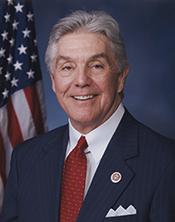
Sponsors and Cosponsors of HR 1301





Latest Bills
ESTUARIES Act
Bill HR 3962December 13, 2025
Federal Maritime Commission Reauthorization Act of 2025
Bill HR 4183December 13, 2025
National Defense Authorization Act for Fiscal Year 2026
Bill S 1071December 13, 2025
Enduring Justice for Victims of Trafficking Act
Bill S 2584December 13, 2025
Technical Corrections to the Northwestern New Mexico Rural Water Projects Act, Taos Pueblo Indian Water Rights Settlement Act, and Aamodt Litigation Settlement Act
Bill S 640December 13, 2025
Incentivizing New Ventures and Economic Strength Through Capital Formation Act of 2025
Bill HR 3383December 13, 2025
BOWOW Act of 2025
Bill HR 4638December 13, 2025
Northern Mariana Islands Small Business Access Act
Bill HR 3496December 13, 2025
Wildfire Risk Evaluation Act
Bill HR 3924December 13, 2025
Energy Choice Act
Bill HR 3699December 13, 2025