0
0
0
Veterans’ Preference Parity Act
12/30/2022, 8:03 AM
Summary of Bill HR 5927
The Veterans' Preference Parity Act, also known as Bill 117 hr 5927, is a piece of legislation currently being considered by the US Congress. The purpose of this bill is to ensure that veterans receive the same preference in federal hiring practices regardless of whether they served in the active duty military or the reserve components.
The bill aims to address a discrepancy in current law that gives preference to veterans who served in the active duty military over those who served in the reserve components. This has led to some veterans feeling that their service is not being adequately recognized or rewarded when it comes to federal employment opportunities.
If passed, the Veterans' Preference Parity Act would require federal agencies to treat all veterans equally when it comes to hiring preferences. This means that veterans who served in the reserve components would receive the same level of preference as those who served in the active duty military. Supporters of the bill argue that this change is necessary to ensure that all veterans are given fair and equal opportunities for federal employment. They believe that veterans who served in the reserve components should not be disadvantaged simply because of the nature of their service. Opponents of the bill may argue that giving equal preference to all veterans could potentially disadvantage non-veteran applicants who are also qualified for federal positions. They may also raise concerns about the potential impact on federal hiring practices and the overall efficiency of the federal workforce. Overall, the Veterans' Preference Parity Act is a piece of legislation aimed at ensuring that all veterans are treated equally when it comes to federal hiring preferences. It seeks to address a perceived disparity in current law and provide a more level playing field for veterans seeking federal employment opportunities.
The bill aims to address a discrepancy in current law that gives preference to veterans who served in the active duty military over those who served in the reserve components. This has led to some veterans feeling that their service is not being adequately recognized or rewarded when it comes to federal employment opportunities.
If passed, the Veterans' Preference Parity Act would require federal agencies to treat all veterans equally when it comes to hiring preferences. This means that veterans who served in the reserve components would receive the same level of preference as those who served in the active duty military. Supporters of the bill argue that this change is necessary to ensure that all veterans are given fair and equal opportunities for federal employment. They believe that veterans who served in the reserve components should not be disadvantaged simply because of the nature of their service. Opponents of the bill may argue that giving equal preference to all veterans could potentially disadvantage non-veteran applicants who are also qualified for federal positions. They may also raise concerns about the potential impact on federal hiring practices and the overall efficiency of the federal workforce. Overall, the Veterans' Preference Parity Act is a piece of legislation aimed at ensuring that all veterans are treated equally when it comes to federal hiring preferences. It seeks to address a perceived disparity in current law and provide a more level playing field for veterans seeking federal employment opportunities.
Congressional Summary of HR 5927
Veterans' Preference Parity Act
This bill modifies the eligibility criteria for certain veterans to qualify for a preference in the federal hiring process.
Specifically, an individual who is honorably discharged from active duty service is eligible for a veterans' preference, if the active duty service was performed for more than 180 total days (currently, consecutive days).
Additionally, a retired member of the Armed Forces is eligible for a veterans' preference, even if the retiree (1) is not a disabled veteran and (2) retired at or above the rank of major or its equivalent.
Read the Full Bill
Current Status of Bill HR 5927
Bill HR 5927 is currently in the status of Bill Introduced since November 9, 2021. Bill HR 5927 was introduced during Congress 117 and was introduced to the House on November 9, 2021. Bill HR 5927's most recent activity was Referred to the House Committee on Oversight and Reform. as of November 9, 2021
Bipartisan Support of Bill HR 5927
Total Number of Sponsors
1Democrat Sponsors
0Republican Sponsors
1Unaffiliated Sponsors
0Total Number of Cosponsors
52Democrat Cosponsors
20Republican Cosponsors
32Unaffiliated Cosponsors
0Policy Area and Potential Impact of Bill HR 5927
Primary Policy Focus
Government Operations and PoliticsAlternate Title(s) of Bill HR 5927
Veterans’ Preference Parity Act
Veterans’ Preference Parity Act
To amend title 5 of the United States Code to modify, for purposes of veterans' preference for Federal hiring, certain requirements with respect to service and retirement, and for other purposes.
Comments
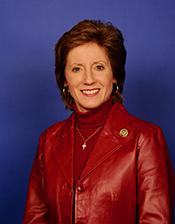
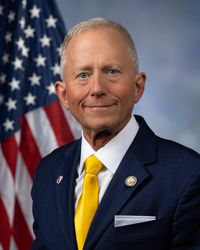
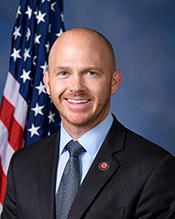
Sponsors and Cosponsors of HR 5927



Latest Bills
National Defense Authorization Act for Fiscal Year 2026
Bill S 1071December 13, 2025
Enduring Justice for Victims of Trafficking Act
Bill S 2584December 13, 2025
Technical Corrections to the Northwestern New Mexico Rural Water Projects Act, Taos Pueblo Indian Water Rights Settlement Act, and Aamodt Litigation Settlement Act
Bill S 640December 13, 2025
Incentivizing New Ventures and Economic Strength Through Capital Formation Act of 2025
Bill HR 3383December 13, 2025
BOWOW Act of 2025
Bill HR 4638December 13, 2025
Northern Mariana Islands Small Business Access Act
Bill HR 3496December 13, 2025
Wildfire Risk Evaluation Act
Bill HR 3924December 13, 2025
Energy Choice Act
Bill HR 3699December 13, 2025
ESTUARIES Act
Bill HR 3962December 13, 2025
Improving Interagency Coordination for Pipeline Reviews Act
Bill HR 3668December 13, 2025