0
0
0
Supply Chain Vulnerability Assessment Act of 2021
12/31/2022, 5:08 AM
Summary of Bill HR 4295
Bill 117 HR 4295, also known as the Supply Chain Vulnerability Assessment Act of 2021, aims to address the growing concerns surrounding the vulnerability of the United States' supply chain. The bill was introduced in the House of Representatives on July 21, 2021, by Representative Elissa Slotkin from Michigan.
The main purpose of this legislation is to require the Department of Homeland Security (DHS) to conduct a comprehensive assessment of the vulnerabilities in the supply chain of critical infrastructure sectors. These sectors include energy, transportation, communications, and other key industries that are essential to the functioning of the US economy and national security.
The bill mandates that the DHS, in coordination with other relevant federal agencies and private sector stakeholders, identify and analyze potential risks and threats to the supply chain. This assessment will help to identify weaknesses and gaps in the supply chain that could be exploited by malicious actors, such as cybercriminals or foreign adversaries. Furthermore, the bill requires the DHS to develop recommendations for mitigating these vulnerabilities and improving the resilience of the supply chain. These recommendations may include implementing new technologies, enhancing information sharing between government and industry partners, and strengthening cybersecurity measures. Overall, the Supply Chain Vulnerability Assessment Act of 2021 seeks to enhance the security and reliability of the US supply chain by proactively identifying and addressing potential risks and threats. By conducting a thorough assessment and developing targeted recommendations, the bill aims to strengthen the resilience of critical infrastructure sectors and protect the nation from supply chain disruptions.
The main purpose of this legislation is to require the Department of Homeland Security (DHS) to conduct a comprehensive assessment of the vulnerabilities in the supply chain of critical infrastructure sectors. These sectors include energy, transportation, communications, and other key industries that are essential to the functioning of the US economy and national security.
The bill mandates that the DHS, in coordination with other relevant federal agencies and private sector stakeholders, identify and analyze potential risks and threats to the supply chain. This assessment will help to identify weaknesses and gaps in the supply chain that could be exploited by malicious actors, such as cybercriminals or foreign adversaries. Furthermore, the bill requires the DHS to develop recommendations for mitigating these vulnerabilities and improving the resilience of the supply chain. These recommendations may include implementing new technologies, enhancing information sharing between government and industry partners, and strengthening cybersecurity measures. Overall, the Supply Chain Vulnerability Assessment Act of 2021 seeks to enhance the security and reliability of the US supply chain by proactively identifying and addressing potential risks and threats. By conducting a thorough assessment and developing targeted recommendations, the bill aims to strengthen the resilience of critical infrastructure sectors and protect the nation from supply chain disruptions.
Congressional Summary of HR 4295
Supply Chain Vulnerability Assessment Act of 2021
This bill requires the Office of the Director of National Intelligence and the Central Intelligence Agency to jointly report to Congress on vulnerabilities in supply chains that are critical to U.S. national security, economic security, or public health. The report shall also contain recommendations for addressing those vulnerabilities.
Read the Full Bill
Current Status of Bill HR 4295
Bill HR 4295 is currently in the status of Bill Introduced since July 1, 2021. Bill HR 4295 was introduced during Congress 117 and was introduced to the House on July 1, 2021. Bill HR 4295's most recent activity was Referred to the House Committee on Intelligence (Permanent Select). as of July 1, 2021
Bipartisan Support of Bill HR 4295
Total Number of Sponsors
1Democrat Sponsors
0Republican Sponsors
1Unaffiliated Sponsors
0Total Number of Cosponsors
12Democrat Cosponsors
12Republican Cosponsors
0Unaffiliated Cosponsors
0Policy Area and Potential Impact of Bill HR 4295
Primary Policy Focus
Armed Forces and National SecurityPotential Impact Areas
- Congressional oversight
- Economic performance and conditions
- Government studies and investigations
- Health technology, devices, supplies
- Intelligence activities, surveillance, classified information
- Manufacturing
Alternate Title(s) of Bill HR 4295
To require the Director of National Intelligence and the Director of the Central Intelligence Agency to conduct a study to identify supply chains critical to national security, and for other purposes.
Supply Chain Vulnerability Assessment Act of 2021
Supply Chain Vulnerability Assessment Act of 2021
Comments
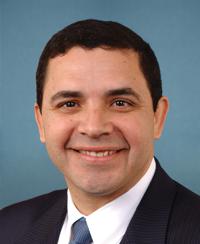
Sponsors and Cosponsors of HR 4295





Latest Bills
Protect America's Workforce Act
Bill HR 2550December 13, 2025
Incentivizing New Ventures and Economic Strength Through Capital Formation Act of 2025
Bill HR 3383December 13, 2025
Lower Elwha Klallam Tribe Project Lands Restoration Act
Bill HR 2388December 13, 2025
World War II Women's Memorial Location Act
Bill HR 2290December 13, 2025
Public Lands Military Readiness Act of 2025
Bill HR 5131December 13, 2025
Cormorant Relief Act of 2025
Bill HR 2293December 13, 2025
Providing for consideration of the bill (H.R. 2550) to nullify the Executive Order relating to Exclusions from Federal Labor-Management Relations Programs, and for other purposes.
Bill HRES 432December 13, 2025
Quinault Indian Nation Land Transfer Act
Bill HR 2389December 13, 2025
Electric Supply Chain Act
Bill HR 3638December 13, 2025
Make SWAPs Efficient Act of 2025
Bill HR 1676December 13, 2025