0
0
0
Rights for Transportation Security Officers Act of 2020
11/1/2022, 4:02 PM
Congressional Summary of HR 1140
Rights for Transportation Security Officers Act of 2020
This bill modifies the workplace rights, protections, and benefits applicable to Transportation Security Administration (TSA) personnel.
Specifically, the bill
- within 180 days, eliminates personnel authorities of the Department of Homeland Security (DHS) and the Department of Transportation governing the conditions of employment for TSA employees, thus making TSA employees subject to the personnel management system applicable to other federal employees;
- sets forth transition rules that protect the pay rates, leave rights, and other rights of TSA employees;
- requires DHS to consult with the labor organization certified by the Federal Labor Relations Authority to carry out the conversion of such positions;
- does not affect the prohibitions against disloyalty and asserting the right to strike against the federal government;
- expresses the sense of Congress that the personnel system used by the TSA provides insufficient benefits and workplace protections for its workforce and such personnel should be provided protections and benefits under the civil service system applicable to all federal employees;
- directs the TSA to consult with public and private entities associated with the Federal Air Marshal Service to address concerns regarding federal air marshals, including mental health and suicide rates;
- prohibits TSA employees from using or installing the social media video application TikTok on U.S. government-issued mobile devices;
- requires DHS to prioritize the hiring of veterans, including disabled veterans; and
- directs the TSA to ensure its employees are provided proper guidance regarding prevention and protections against the coronavirus (i.e., the virus that causes COVID-19).
Read the Full Bill
Current Status of Bill HR 1140
Bill HR 1140 is currently in the status of Bill Introduced since February 11, 2019. Bill HR 1140 was introduced during Congress 116 and was introduced to the House on February 11, 2019. Bill HR 1140's most recent activity was Received in the Senate and Read twice and referred to the Committee on Commerce, Science, and Transportation. as of March 5, 2020
Bipartisan Support of Bill HR 1140
Total Number of Sponsors
1Democrat Sponsors
1Republican Sponsors
0Unaffiliated Sponsors
0Total Number of Cosponsors
242Democrat Cosponsors
233Republican Cosponsors
9Unaffiliated Cosponsors
0Policy Area and Potential Impact of Bill HR 1140
Primary Policy Focus
Transportation and Public WorksPotential Impact Areas
- Aviation and airports
- Cardiovascular and respiratory health
- Congressional oversight
- Department of Homeland Security
- Emergency medical services and trauma care
- Employee hiring
- Employee leave
- Employment discrimination and employee rights
- Government employee pay, benefits, personnel management
- Government studies and investigations
- Health promotion and preventive care
- Infectious and parasitic diseases
- Internet and video services
- Internet, web applications, social media
- Labor-management relations
- Law enforcement officers
- Mental health
- Military personnel and dependents
- Telephone and wireless communication
- Transportation employees
- Transportation safety and security
- Veterans' education, employment, rehabilitation
- Worker safety and health
Alternate Title(s) of Bill HR 1140
Rights for Transportation Security Officers Act of 2020
Rights for Transportation Security Officers Act of 2020
To enhance the security operations of the Transportation Security Administration and stability of the transportation security workforce by applying the personnel system under title 5, United States Code, to employees of the Transportation Security Administration who provide screening of all passengers and property, and for other purposes.
Rights for Transportation Security Officers Act of 2020
Rights for Transportation Security Officers Act of 2019
Rights for Transportation Security Officers Act of 2020
Comments
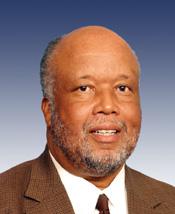
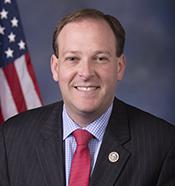
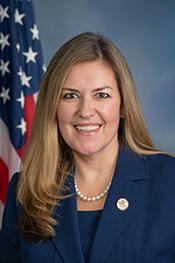
Sponsors and Cosponsors of HR 1140


Latest Bills
TRAPS Act
Bill HR 4936September 18, 2026
Apples to Apples Comparison Act of 2025
Bill HR 4093September 18, 2026
American Lending Fairness Act of 2026
Bill HR 7866September 18, 2026
Civil Investigative Demand Reform Act of 2025
Bill HR 1653September 18, 2026
American Reserve Modernization Act of 2026
Bill HR 8957September 18, 2026
Preventive Health Savings Act
Bill HR 4464September 18, 2026
PEARL Act
Bill HR 9327September 18, 2026
Medically Tailored Home-Delivered Meals Program Pilot Act
Bill HR 5439September 18, 2026
To designate the facility of the United States Postal Service located at 117 West Lovett Street in Charlotte, Michigan, as the "Francis C. Flaherty Post Office Building".
Bill HR 9570September 18, 2026
To designate the facility of the United States Postal Service located at 1019 Avenue H in Fort Madison, Iowa, as the "Martin L. Graber Post Office".
Bill HR 4707September 18, 2026
Providing for consideration of the bill (H.R. 1140) to enhance the security operations of the Transportation Security Administration and stability of the transportation security workforce by applying the personnel system under title 5, United States Code, to employees of the Transportation Security Administration who provide screening of all passengers and property, and for other purposes; providing for consideration of motions to suspend the rules; and waiving a requirement of clause 6(a) of rule XIII with respect to consideration of certain resolutions reported from the Committee on Rules.
Bill HRES 877August 10, 2022