6
5
5
One Vote One Choice Act
4/6/2025, 4:38 AM
Summary of Bill HR 2561
Bill 119 hr 2561, also known as the Ranked Choice Voting Prohibition Act, aims to amend the Help America Vote Act of 2002 to prevent states from utilizing ranked choice voting in federal elections. Ranked choice voting is a system where voters rank candidates in order of preference, and if no candidate receives a majority of first-choice votes, the candidate with the fewest votes is eliminated and their votes are redistributed based on the voters' second choices.
The bill seeks to prohibit states from implementing this voting method for federal offices, arguing that it could potentially complicate the election process and lead to confusion among voters. Proponents of the bill believe that ranked choice voting may not accurately reflect the will of the voters and could undermine the integrity of the election results.
If passed, the Ranked Choice Voting Prohibition Act would require states to use traditional voting methods, such as plurality voting, for federal elections. This bill has sparked debate among lawmakers and voting rights advocates, with some arguing that ranked choice voting promotes greater voter engagement and representation, while others express concerns about its potential drawbacks. Overall, the bill aims to establish consistency and clarity in the election process for federal offices by prohibiting the use of ranked choice voting. It is currently under consideration in the House of Representatives and may undergo further revisions before potentially becoming law.
The bill seeks to prohibit states from implementing this voting method for federal offices, arguing that it could potentially complicate the election process and lead to confusion among voters. Proponents of the bill believe that ranked choice voting may not accurately reflect the will of the voters and could undermine the integrity of the election results.
If passed, the Ranked Choice Voting Prohibition Act would require states to use traditional voting methods, such as plurality voting, for federal elections. This bill has sparked debate among lawmakers and voting rights advocates, with some arguing that ranked choice voting promotes greater voter engagement and representation, while others express concerns about its potential drawbacks. Overall, the bill aims to establish consistency and clarity in the election process for federal offices by prohibiting the use of ranked choice voting. It is currently under consideration in the House of Representatives and may undergo further revisions before potentially becoming law.
Congressional Summary of HR 2561
One Vote One Choice Act
This bill prohibits states from using ranked-choice voting in federal elections. Ranked-choice voting is a system that allows voters to rank multiple candidates on a ballot in order of preference.
Read the Full Bill
Current Status of Bill HR 2561
Bill HR 2561 is currently in the status of Bill Introduced since April 1, 2025. Bill HR 2561 was introduced during Congress 119 and was introduced to the House on April 1, 2025. Bill HR 2561's most recent activity was Referred to the House Committee on House Administration. as of April 1, 2025
Bipartisan Support of Bill HR 2561
Total Number of Sponsors
3Democrat Sponsors
0Republican Sponsors
3Unaffiliated Sponsors
0Total Number of Cosponsors
2Democrat Cosponsors
0Republican Cosponsors
2Unaffiliated Cosponsors
0Policy Area and Potential Impact of Bill HR 2561
Primary Policy Focus
Alternate Title(s) of Bill HR 2561
To amend the Help America Vote Act of 2002 to prohibit States from using ranked choice voting to carry out an election for Federal office, and for other purposes.
To amend the Help America Vote Act of 2002 to prohibit States from using ranked choice voting to carry out an election for Federal office, and for other purposes.
Comments
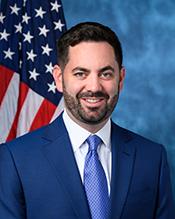
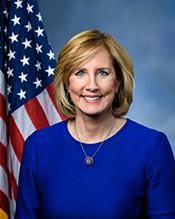
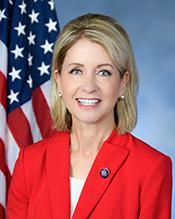
Sponsors and Cosponsors of HR 2561
Latest Bills
ESTUARIES Act
Bill HR 3962December 13, 2025
Federal Maritime Commission Reauthorization Act of 2025
Bill HR 4183December 13, 2025
National Defense Authorization Act for Fiscal Year 2026
Bill S 1071December 13, 2025
Enduring Justice for Victims of Trafficking Act
Bill S 2584December 13, 2025
Technical Corrections to the Northwestern New Mexico Rural Water Projects Act, Taos Pueblo Indian Water Rights Settlement Act, and Aamodt Litigation Settlement Act
Bill S 640December 13, 2025
Incentivizing New Ventures and Economic Strength Through Capital Formation Act of 2025
Bill HR 3383December 13, 2025
BOWOW Act of 2025
Bill HR 4638December 13, 2025
Northern Mariana Islands Small Business Access Act
Bill HR 3496December 13, 2025
Wildfire Risk Evaluation Act
Bill HR 3924December 13, 2025
Energy Choice Act
Bill HR 3699December 13, 2025