0
0
0
To amend title 28, United States Code, to authorize holding court for the Central Division of Utah in Moab and Monticello.
1/16/2025, 6:40 PM
Summary of Bill HR 8666
Bill 118 hr 8666, also known as the "Central Division of Utah Court Authorization Act," aims to amend title 28 of the United States Code to allow for court proceedings to be held in Moab and Monticello in the Central Division of Utah. Currently, court proceedings for this division are held in Salt Lake City, which can be inconvenient for residents living in more rural areas of the state.
By authorizing courts to be held in Moab and Monticello, this bill seeks to improve access to justice for individuals living in these areas. This change would make it easier for residents to participate in court proceedings without having to travel long distances to Salt Lake City.
Overall, the Central Division of Utah Court Authorization Act is a step towards ensuring that all residents of Utah have equal access to the judicial system. It is a non-partisan effort to improve the efficiency and accessibility of the court system in the state.
By authorizing courts to be held in Moab and Monticello, this bill seeks to improve access to justice for individuals living in these areas. This change would make it easier for residents to participate in court proceedings without having to travel long distances to Salt Lake City.
Overall, the Central Division of Utah Court Authorization Act is a step towards ensuring that all residents of Utah have equal access to the judicial system. It is a non-partisan effort to improve the efficiency and accessibility of the court system in the state.
Congressional Summary of HR 8666
This bill adds Moab and Monticello to the list of places where court must be held in the Central Division of the U.S. District Court of Utah.
Read the Full Bill
Current Status of Bill HR 8666
Bill HR 8666 is currently in the status of Became Public Law since January 4, 2025. Bill HR 8666 was introduced during Congress 118 and was introduced to the House on June 7, 2024. Bill HR 8666's most recent activity was Became Public Law No: 118-250. as of January 4, 2025
Bipartisan Support of Bill HR 8666
Total Number of Sponsors
12Democrat Sponsors
0Republican Sponsors
12Unaffiliated Sponsors
0Total Number of Cosponsors
1Democrat Cosponsors
0Republican Cosponsors
1Unaffiliated Cosponsors
0Policy Area and Potential Impact of Bill HR 8666
Primary Policy Focus
LawPotential Impact Areas
- Federal district courts
- Utah
Alternate Title(s) of Bill HR 8666
To amend title 28, United States Code, to authorize holding court for the Central Division of Utah in Moab and Monticello.
To amend title 28, United States Code, to authorize holding court for the Central Division of Utah in Moab and Monticello.
Comments
Wynter Guthrie
437
11 months ago
I don't understand why they want to change where the court is held in Utah. Why can't they just keep it where it is? How will this affect me and my community?
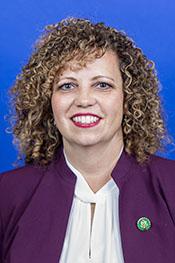
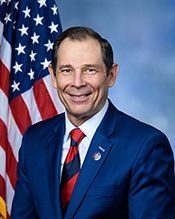
Sponsors and Cosponsors of HR 8666
Latest Bills
National Defense Authorization Act for Fiscal Year 2026
Bill S 1071December 13, 2025
Enduring Justice for Victims of Trafficking Act
Bill S 2584December 13, 2025
Technical Corrections to the Northwestern New Mexico Rural Water Projects Act, Taos Pueblo Indian Water Rights Settlement Act, and Aamodt Litigation Settlement Act
Bill S 640December 13, 2025
Incentivizing New Ventures and Economic Strength Through Capital Formation Act of 2025
Bill HR 3383December 13, 2025
BOWOW Act of 2025
Bill HR 4638December 13, 2025
Northern Mariana Islands Small Business Access Act
Bill HR 3496December 13, 2025
Wildfire Risk Evaluation Act
Bill HR 3924December 13, 2025
Energy Choice Act
Bill HR 3699December 13, 2025
ESTUARIES Act
Bill HR 3962December 13, 2025
Improving Interagency Coordination for Pipeline Reviews Act
Bill HR 3668December 13, 2025
JUDGES Act of 2024
Bill HR 9625October 2, 2024
JUDGES Act of 2024
Bill S 4199January 16, 2025
To amend title 28, United States Code, to authorize holding court for the Central Division of Utah in Moab and Monticello.
Bill HR 2910January 3, 2024