0
0
0
Proposing an amendment to the Constitution of the United States to prohibit the use of slavery and involuntary servitude as a punishment for a crime.
3/9/2024, 8:15 AM
Summary of Bill HJRES 72
Bill 118 hjres 72, also known as the "Anti-Slavery Amendment," is a proposed amendment to the Constitution of the United States that seeks to prohibit the use of slavery and involuntary servitude as a punishment for a crime. The bill aims to address the issue of forced labor within the criminal justice system and ensure that individuals who are incarcerated are not subjected to conditions that resemble slavery.
If passed, this amendment would make it unconstitutional for any state or federal government to impose slavery or involuntary servitude as a form of punishment for criminal offenses. This would align with the 13th Amendment to the Constitution, which abolished slavery and involuntary servitude except as punishment for a crime.
Supporters of the bill argue that the use of forced labor in prisons perpetuates a cycle of exploitation and dehumanization, particularly affecting marginalized communities. They believe that this amendment is necessary to uphold the principles of equality and justice enshrined in the Constitution. Opponents of the bill may argue that it could limit the ability of the criminal justice system to impose certain forms of punishment on individuals who have committed serious crimes. They may also raise concerns about the potential impact on prison labor programs and the cost of implementing alternative forms of punishment. Overall, Bill 118 hjres 72 represents a significant step towards addressing the issue of forced labor within the criminal justice system and ensuring that individuals are not subjected to conditions that violate their basic human rights.
If passed, this amendment would make it unconstitutional for any state or federal government to impose slavery or involuntary servitude as a form of punishment for criminal offenses. This would align with the 13th Amendment to the Constitution, which abolished slavery and involuntary servitude except as punishment for a crime.
Supporters of the bill argue that the use of forced labor in prisons perpetuates a cycle of exploitation and dehumanization, particularly affecting marginalized communities. They believe that this amendment is necessary to uphold the principles of equality and justice enshrined in the Constitution. Opponents of the bill may argue that it could limit the ability of the criminal justice system to impose certain forms of punishment on individuals who have committed serious crimes. They may also raise concerns about the potential impact on prison labor programs and the cost of implementing alternative forms of punishment. Overall, Bill 118 hjres 72 represents a significant step towards addressing the issue of forced labor within the criminal justice system and ensuring that individuals are not subjected to conditions that violate their basic human rights.
Read the Full Bill
Current Status of Bill HJRES 72
Bill HJRES 72 is currently in the status of Bill Introduced since June 14, 2023. Bill HJRES 72 was introduced during Congress 118 and was introduced to the House on June 14, 2023. Bill HJRES 72's most recent activity was Referred to the House Committee on the Judiciary. as of June 14, 2023
Bipartisan Support of Bill HJRES 72
Total Number of Sponsors
1Democrat Sponsors
1Republican Sponsors
0Unaffiliated Sponsors
0Total Number of Cosponsors
140Democrat Cosponsors
130Republican Cosponsors
10Unaffiliated Cosponsors
0Policy Area and Potential Impact of Bill HJRES 72
Primary Policy Focus
Crime and Law EnforcementAlternate Title(s) of Bill HJRES 72
Proposing an amendment to the Constitution of the United States to prohibit the use of slavery and involuntary servitude as a punishment for a crime.
Proposing an amendment to the Constitution of the United States to prohibit the use of slavery and involuntary servitude as a punishment for a crime.
Comments
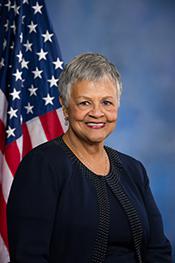
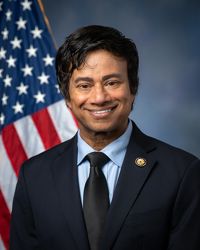
Sponsors and Cosponsors of HJRES 72




Latest Bills
Providing amounts for the expenses of the Committee on Ethics in the One Hundred Nineteenth Congress.
Bill HRES 131December 12, 2025
Providing for congressional disapproval under chapter 8 of title 5, United States Code, of the rule submitted by the Bureau of Land Management relating to "Central Yukon Record of Decision and Approved Resource Management Plan".
Bill HJRES 106December 12, 2025
Expressing the sense of the House of Representatives in condemning the Government of the People's Republic of China for its harassment and efforts to intimidate American citizens and other individuals on United States soil with the goal of suppressing speech and narratives the People's Republic of China finds unwelcome.
Bill HRES 130December 12, 2025
Providing for congressional disapproval under chapter 8 of title 5, United States Code, of the rule submitted by the Bureau of Land Management relating to "North Dakota Field Office Record of Decision and Approved Resource Management Plan".
Bill HJRES 105December 12, 2025
Providing for congressional disapproval under chapter 8 of title 5, United States Code, of the rule submitted by the Bureau of Land Management relating to "Miles City Field Office Record of Decision and Approved Resource Management Plan Amendment".
Bill HJRES 104December 12, 2025
Providing amounts for the expenses of the Select Committee on the Strategic Competition Between the United States and the Chinese Communist Party in the One Hundred Nineteenth Congress.
Bill HRES 104December 12, 2025
Critical Access for Veterans Care Act
Bill S 1868December 12, 2025
OATH Act of 2025
Bill S 1665December 12, 2025
A bill to extend the authority for modifications to the Second Division Memorial in the District of Columbia.
Bill S 1353December 12, 2025
Saving Our Veterans Lives Act of 2025
Bill S 926December 12, 2025
A joint resolution proposing an amendment to the Constitution of the United States to prohibit the use of slavery and involuntary servitude as a punishment for a crime.
Bill SJRES 33March 12, 2024